Kidnapped Nigerian Youths Trapped by Bombs, Father Says He’s Starved for 3 Days – 2026
Background: Rising Bandit Kidnappings in Nigeria
Over the past decade, north‑western Nigeria has seen a surge in large‑scale kidnappings carried out by loosely organised bandit groups. These criminal outfits, often rooted in cattle‑rustling networks, have diversified into ransom‑driven abductions of schoolchildren, traders and community leaders. The phenomenon accelerated after 2020 when security forces struggled to contain the groups amid dwindling resources and competing insurgencies, creating a vacuum that bandits have exploited for profit and leverage.
The economic fallout is palpable: disrupted agricultural cycles, halted market activity and a wave of internal displacement that strains already fragile state budgets. International NGOs and diaspora charities have stepped in with emergency relief, but the scale of the crisis outpaces aid. The kidnapping of 19 youths this month is the latest flashpoint that underscores how bandit tactics are evolving, now incorporating improvised explosive devices (IEDs) to deter rescue operations.
The Recent Abduction and the Bomb Blockade
On September 28, armed men stormed a vocational training centre in the town of Kura, in Niger State, seizing 19 young participants ranging from 14 to 22 years old. According to local police reports, the attackers planted crude bombs around the perimeter of the site before fleeing into the surrounding bush, effectively turning the location into a live‑fire zone. Security teams that arrived on the scene reported that detonating any of the devices could trigger a chain reaction, making a direct assault too risky.
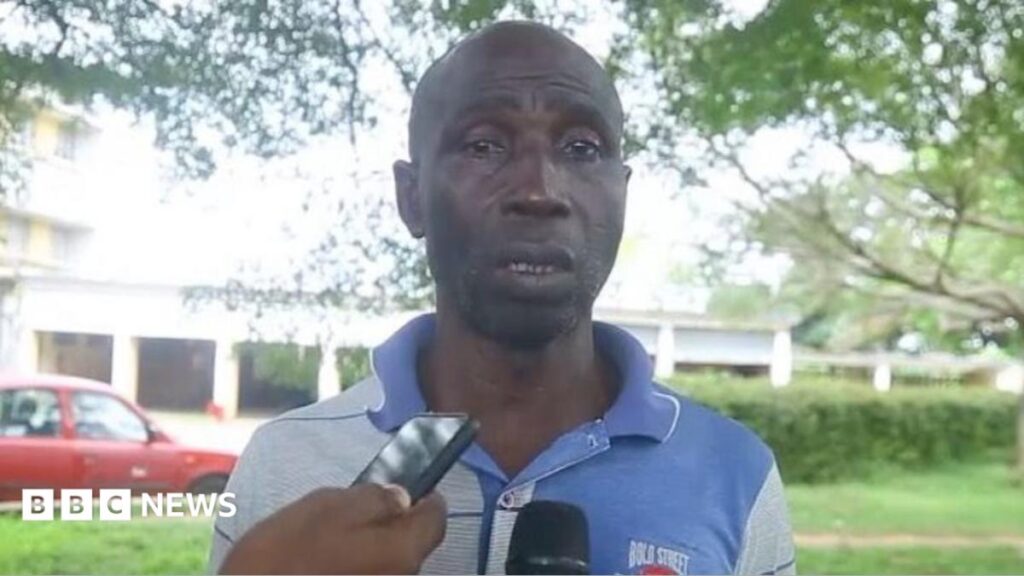
The father of one of the abductees, speaking to the BBC on October 3, said he has not eaten in three days because he is too anxious to leave his home. He described the nightmarish waiting period, with his son’s phone silent and no word from the kidnappers. Authorities have confirmed that negotiations are ongoing, but the presence of explosives has forced them to adopt a cautious, indirect approach, relying on drones and remote surveillance to map the danger zones.
Human Toll: Families on the Edge
Beyond the headline numbers, the human cost reverberates through entire villages. Families of the missing youths have been thrust into a dual crisis: the immediate fear for their loved ones’ lives and the longer‑term economic strain of lost labor and mounting ransom demands. In many rural communities, a single teenager contributes significantly to household income, especially during harvest season. Their disappearance can tip already precarious households into food insecurity.
The diaspora community, particularly Nigerians living in the United Kingdom and the United States, has mobilised social media campaigns and fundraising drives to support the families. Platforms such as Twitter and WhatsApp groups have become de‑facto crisis centres, sharing updates, coordinating donations, and pressuring the Nigerian government for a swift response. This digital activism reflects a growing trend where overseas Nigerians act as both watchdogs and lifelines for those left behind.
Security Implications and Policy Debate
The use of bombs to block rescue missions marks a troubling escalation in bandit tactics, prompting security analysts to call for a reassessment of Nigeria’s counter‑insurgency playbook. Experts at the Nigerian Institute of International Affairs argue that the current reliance on conventional police raids is inadequate against foes that blend guerrilla warfare with criminal entrepreneurship. They recommend a hybrid model that pairs community‑based intelligence with specialised bomb‑disposal units, a capability that the federal government has historically underfunded.
Politically, the incident has become a flashpoint in the upcoming gubernatorial elections in Niger and neighboring states. Opposition parties are accusing the incumbent administration of negligence, while the ruling party points to ongoing negotiations as evidence of a “peace‑first” strategy. The narrative is shaping voter sentiment, especially among youths who fear that insecurity will erode educational and employment prospects.
What’s Next: Prospects for Rescue and Regional Impact
Sources close to the negotiation table say that a tentative agreement is being drafted, but the exact terms remain undisclosed. The presence of IEDs means that any rescue operation will likely involve a multi‑day clearance phase, during which the captors could relocate the hostages. Regional security outfits, including the Economic Community of West African States (ECOWAS) monitoring mission, have pledged logistical support, signalling a potential shift toward a more coordinated West African response to cross‑border banditry.
If the youths are released unharmed, the episode could still leave lasting scars on the community’s trust in state protection. Conversely, a failed rescue could embolden bandits to adopt even more sophisticated weaponry, further destabilising the region. For the diaspora, the outcome will shape future remittance flows and community‑led security initiatives, reinforcing the notion that security in Nigeria is a shared responsibility that transcends borders.
Quick Answers
Why are bombs being used to block rescue of kidnapped youths in Nigeria?
Bandits are planting improvised explosives to deter police assaults, turning rescue sites into high‑risk zones that require specialized bomb‑disposal teams.
How are Nigerian families and the diaspora coping with the kidnappings?
Families face food insecurity and emotional trauma, while the diaspora mobilises online campaigns and fundraising to support affected households and pressure the government.
What could happen next in the rescue effort?
Negotiations are ongoing, but any rescue will need a careful bomb‑clearance phase; regional partners like ECOWAS may provide logistical help, influencing the operation’s success.
Source: www.bbc.co.uk




💬 Comments 0