Kilmar Ábrego García departs US for Spain, ending Trump-era deportation fight and its ripple effects on migrant rights 2026
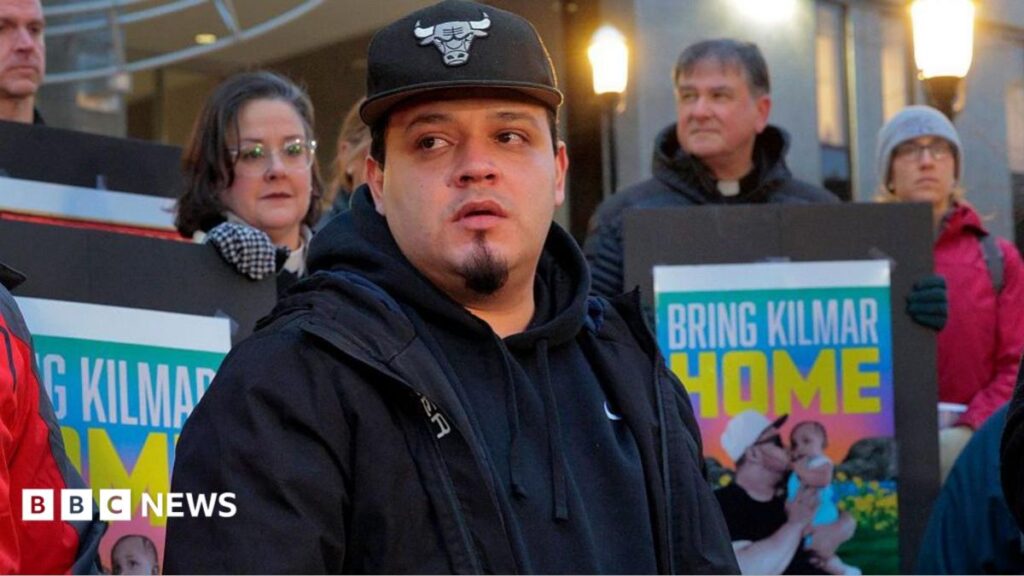
Background: Trump’s hard‑line immigration agenda and its legacy
When Donald Trump took office in 2017, his administration launched a series of aggressive measures aimed at curbing both legal and irregular migration. The “Zero Tolerance” policy, the expansion of the Migrant Protection Protocols (MPP) and the use of expedited removal proceedings created a climate where thousands of asylum seekers found themselves caught in a legal limbo, often shuffled between detention facilities and foreign consulates.
Central America, especially the Northern Triangle countries, became a focal point of the administration’s enforcement strategy. Yet the same mechanisms were also applied to migrants from Africa, the Caribbean and the Middle East, many of whom faced similar obstacles in accessing due process. Human‑rights groups warned that the blanket approach eroded protections guaranteed under both US law and international conventions.
The fallout from these policies continues to shape the immigration landscape years after Trump left office. Courts have been asked to revisit cases that were fast‑tracked under his tenure, and advocacy organizations are pushing for a reset that would restore a more humane asylum system.
The Kilmar Ábrego García saga: from El Salvador to Spain
Kilmar Ábrego García, a 28‑year‑old Salvadoran who arrived in the United States as a teenager, became an emblem of the Trump‑era deportation battles after a 2023 removal order sent him back to El Salvador. The order was later halted when a federal judge ruled that the government had not provided adequate evidence of his eligibility for removal, sparking a protracted legal fight that lasted more than two years.
During the litigation, Ábrego was placed under a “voluntary departure” arrangement that required him to stay in the US while his appeal proceeded. In early 2026, Spanish authorities offered him a humanitarian visa, citing his family ties in Barcelona and the potential for integration into European society. Accepting the offer meant Ábrego would forfeit his pending US asylum claim, effectively ending the courtroom showdown that had drawn attention from immigration advocates worldwide.
On November 20, 2026, Ábrego boarded a flight from New York to Madrid, marking the final chapter of a case that had become a rallying point for critics of the Trump administration’s deportation tactics. His departure was quietly noted by US immigration officials, but the story resonated on social media, where hashtags like #EndDeportationWar trended among diaspora communities.
Why the case matters beyond one man’s journey
Ábrego’s exit underscores a broader judicial reckoning with the expedited removal process that was heavily used under Trump. Legal scholars argue that the case sets a de‑facto precedent: courts may be more willing to scrutinize the evidentiary standards required for removal, especially when the individual’s ties to a third country—such as Spain in this instance—offer an alternative pathway to safety.
The settlement also highlights the growing role of European humanitarian visas as a safety valve for migrants stuck in US immigration limbo. While the US has traditionally been the primary destination for Central American asylum seekers, the willingness of European states to extend protection could shift migration patterns, prompting policymakers to reconsider bilateral agreements on asylum processing.
For African migrants, the implications are indirect but significant. The same legal arguments that helped Ábrego avoid deportation—questioning the adequacy of government evidence and emphasizing family reunification—are being raised by advocates representing Nigerians, Ethiopians and Sudanese facing removal. A more rigorous judicial review could open doors for those whose cases have been dismissed under the same fast‑track procedures.
Reactions: from US officials to African diaspora groups
US Immigration and Customs Enforcement (ICE) issued a brief statement noting that the agency respects “the sovereign right of other nations to grant humanitarian protection,” but it also reiterated its commitment to enforce removal orders that survive judicial scrutiny. The Department of Justice, meanwhile, has signaled that it will appeal any future rulings that could undermine the efficiency of the removal system.
Human‑rights NGOs such as the American Immigration Council and Amnesty International praised the outcome as a “victory for due process,” urging the Biden administration to codify stronger safeguards against rushed deportations. In Spain, the Ministry of Inclusion, Social Security and Migration highlighted the case as evidence of the country’s commitment to humanitarian visas, especially for individuals with family ties in Europe.
African diaspora organizations in New York, including the Nigerian American Association and the Ethiopian Community Center, issued statements linking Ábrego’s story to the experiences of African asylum seekers. They pointed out that many African migrants face the same evidentiary hurdles and that the US’s past reliance on rapid removal has left a “legacy of fear” across communities from Lagos to Addis Ababa.
What’s next: policy shifts, legal battles and the African connection
The Biden administration has already signaled a shift toward a more compassionate asylum framework, but concrete reforms remain stalled in Congress. Ábrego’s case could serve as a catalyst for legislative proposals that would require a higher evidentiary standard before a removal order is issued, a change that would directly benefit African migrants whose claims are often dismissed on technical grounds.
In the longer term, the growing reliance on third‑country humanitarian visas may prompt the US to negotiate new protocols with European states, potentially creating a “tri‑lateral” pathway for migrants from Central America, Africa and the Caribbean. Such an arrangement could ease the pressure on US immigration courts while offering a dignified alternative for those who cannot safely remain in the United States.
For African diaspora communities, the story reinforces the importance of transnational advocacy networks. By monitoring US court decisions and leveraging connections with European allies, these groups can amplify the voices of African migrants caught in the cross‑fire of US immigration enforcement. The hope is that the legal momentum generated by cases like Ábrego’s will translate into tangible protections for Africans seeking refuge in America.
Quick Answers
Why did Kilmar Ábrego García leave the US for Spain?
He accepted a Spanish humanitarian visa that offered family reunification and a safe alternative to the uncertain US asylum process.
How does Ábrego’s case affect other migrants, including Africans, in the US?
The case may prompt courts to apply stricter evidence standards for removal, benefiting African asylum seekers who face similar procedural hurdles.
What could be the next step for US immigration policy after this case?
Legislators may push for reforms that raise the evidentiary bar for deportations and explore tri‑lateral agreements with European countries for humanitarian visas.
Source: www.bbc.co.uk




💬 Comments 0