Kyiv resident flees to Ukrainian countryside ahead of winter 2026 amid intensified Russian attacks
Winter war and mass displacement in Ukraine
Since the start of the conflict in 2022, Ukraine has endured waves of civilian movement, but the approaching winter of 2026 has added a new urgency. Russian missile strikes have increasingly targeted energy infrastructure, heating plants and transport hubs, leaving millions fearing power outages and freezing temperatures. The United Nations estimates that more than 7.5 million Ukrainians have been displaced internally, a figure that has risen sharply in the past six months according to recent UNHCR data.
The seasonal factor is not just climatic; it is tactical. Analysts at the Institute for the Study of War note that Russian forces have stepped up bombardments on densely populated urban centers precisely because winter limits civilian mobility and complicates evacuation. This strategy forces residents to weigh the risk of staying in cities against the uncertainty of rural relocation, a dilemma that has become a defining feature of the 2026 winter campaign.
A Kyiv resident’s choice to leave the capital
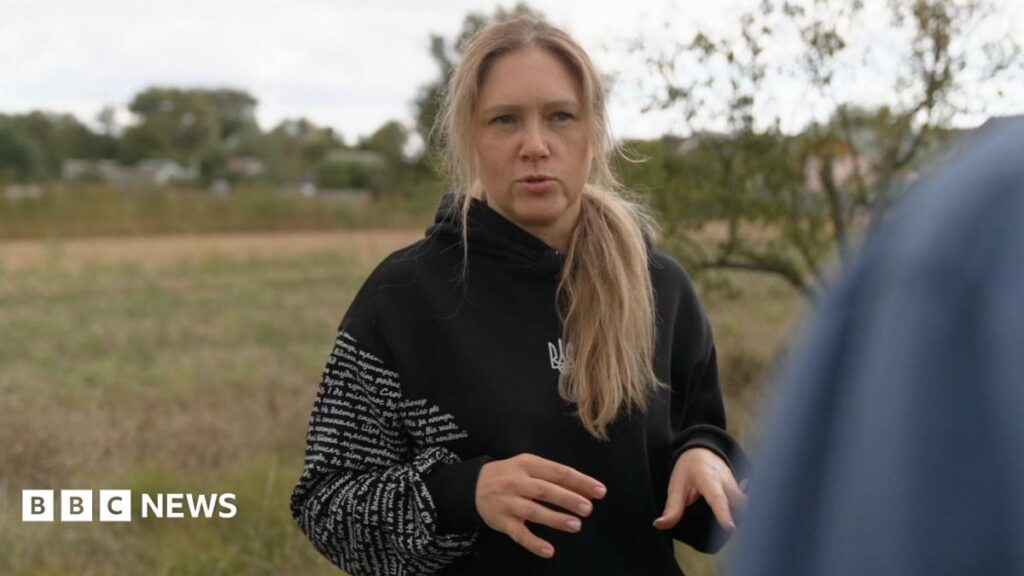
Olena Kovalenko, a 34‑year‑old teacher from the Pechersk district, told the BBC that she packed her belongings and moved to a small village near Bila Tserkva after her apartment was hit by shrapnel in November 2025. She described the decision as “leaving everything that can be a Russian target” – a sentiment echoed by many city dwellers who feel increasingly vulnerable as the war drags on.
Kovalenko’s story is representative of a broader trend: families with children, the elderly and those dependent on home‑based medical equipment are opting for the relative safety of the countryside. She now lives in a former Soviet‑era house that was once a communal farm, sharing space with three other displaced families. While the rural setting offers fewer immediate threats, it also brings challenges such as limited internet connectivity and reduced access to specialized schooling.
Why the urban‑to‑rural shift matters for Ukraine’s future
The exodus from Kyiv and other major cities threatens to strain Ukraine’s already fragile economy. Urban centres are the hubs of technology, finance and higher education; losing a significant portion of their workforce could slow post‑war reconstruction. Economists at Kyiv School of Economics warn that a prolonged rural influx may depress agricultural wages, as former city workers compete for seasonal jobs that are already scarce.
Humanitarian logistics are also impacted. Aid agencies have traditionally concentrated distribution points in cities, where infrastructure is more robust. Moving populations to remote villages forces NGOs to redesign supply chains, often at higher cost. In the last month, the International Rescue Committee reported a 30 % increase in transport expenses for delivering winter heating kits to newly settled rural clusters.
African diaspora, NGOs and the hidden ripple effects
While Western media focus on the geopolitical dimensions, the displacement wave has concrete implications for African communities in Ukraine. According to a survey by the African Union’s diaspora office, roughly 150,000 Africans—students, workers and entrepreneurs—live across Ukraine, many of whom were based in Kyiv’s tech sector. The shift to the countryside forces these individuals to either relocate again or risk isolation from their support networks.
African NGOs operating in Ukraine, such as the Nigerian‑Ukrainian Friendship Association, have begun mobilising emergency funds to assist displaced Africans in accessing language‑specific legal aid and culturally appropriate food parcels. Moreover, remittances from the African diaspora to families back home have dipped by an estimated 12 % this winter, as displaced workers scramble to find new income sources. This contraction reverberates in countries like Nigeria and Ghana, where migrant earnings constitute a growing share of household income.
What comes next: policy, reconstruction and long‑term displacement
The Ukrainian government announced a new “Winter Shelter Initiative” in early December 2026, pledging €1.2 billion to retrofit rural schools into temporary heating shelters. Critics, however, argue that the funding is insufficient given the scale of the displacement, and that the plan lacks a clear timeline for returning displaced families to the cities once hostilities ease.
International donors are also recalibrating their strategies. The European Union’s Civil Protection Mechanism has earmarked additional cold‑weather kits for rural distribution, while the United States Agency for International Development (USAID) is piloting a mobile broadband project to restore connectivity for displaced students. For the African diaspora, these measures could mean better access to online tuition and remote work opportunities, helping to stabilise the flow of remittances that many home‑country economies now depend on.
Quick Answers
Why are Kyiv residents moving to the countryside this winter?
They are fleeing intensified Russian attacks on urban infrastructure, especially heating and energy sites, which make cities unsafe during the cold months.
How does the displacement affect African communities in Ukraine?
Many African migrants, especially students and tech workers, are forced to relocate or lose access to support networks, leading to reduced remittances to their home countries.
What is Ukraine doing to help displaced families in rural areas?
The government launched a Winter Shelter Initiative, allocating €1.2 billion to convert rural schools into heated shelters and improve basic services for evacuees.
Source: www.bbc.co.uk




💬 Comments 0