Letters with suspicious substances sent to US senators, election offices in Oklahoma, Ohio, Louisiana – 2026 threat
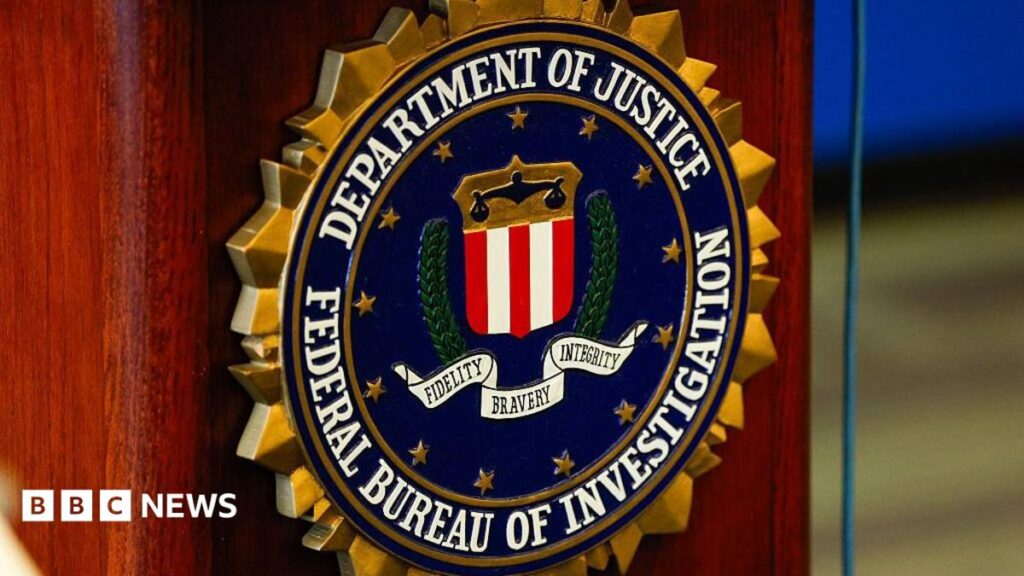
A wave of mail threats resurfaces in the United States
Since the 2020 election cycle, the U.S. has seen a steady rise in mailed threats targeting politicians, election workers, and government buildings. The Federal Bureau of Investigation (FBI) warned in early 2023 that the volume of suspicious packages had doubled compared to pre‑pandemic levels, a trend that persisted into 2026.
Experts link the surge to a mix of extremist ideologies, misinformation campaigns, and a growing perception that physical mail can be used to intimidate democratic institutions. The latest incident, involving letters that contained unknown powders, adds a new layer of urgency to an already tense security environment.
What the letters contained and where they were delivered
In the first week of October 2026, state election officials in Oklahoma, Ohio and Louisiana confirmed receipt of sealed envelopes marked with the words “suspicious substances”. The packages were opened by trained hazmat teams, who reported a fine, white powder that tested negative for explosives, chemical weapons or harmful toxins. The exact composition remains undisclosed for security reasons.
The letters were addressed to a mix of U.S. senators and local election offices. In Oklahoma, a senator’s office in Tulsa received one; Ohio’s Secretary of State office in Columbus got another; and a county clerk’s office in Baton Rouge, Louisiana, was the third confirmed recipient. Federal authorities have not yet identified the sender, but they are treating the case as a potential act of intimidation.
Why the incident matters for American democracy
Even when the substances pose no immediate health risk, the psychological impact can be profound. Election workers already face high burnout rates, and threats of this nature can deter qualified staff from serving, creating staffing shortages that jeopardise ballot processing and voter outreach.
The financial toll is also significant. Each incident triggers a multi‑agency response—local police, the FBI, the Department of Homeland Security and specialized hazmat units—costing taxpayers tens of thousands of dollars per event. Moreover, the episode comes just weeks before the 2026 mid‑term elections, a period when confidence in the electoral system is especially fragile.
A pattern that stretches beyond U.S. borders
Similar mail‑based intimidation campaigns have been reported in several African nations over the past two years. In Kenya, for example, election officials received envelopes containing powdered substances ahead of the 2025 general election, prompting a nationwide security alert. Nigeria experienced a comparable scare in 2024, where letters with unknown chemicals were sent to members of the Independent National Electoral Commission (INEC).
These parallels suggest a trans‑national playbook among extremist groups that view mailed threats as low‑cost, high‑visibility tactics. For African diaspora communities in the United States, the echo of such threats can amplify concerns about the safety of voting processes both at home and abroad.
Reactions from officials, security agencies and the diaspora
Senator James L. Harper of Oklahoma, whose office was one of the targets, issued a statement condemning the act and urging Congress to allocate additional resources for election‑security training. The Department of Justice announced a joint task force with the FBI to trace the origin of the powders, emphasizing that any attempt to intimidate elected officials will be prosecuted to the fullest extent of the law.
African‑American and African diaspora organizations, including the NAACP and the Nigerian American Association, called for heightened vigilance. In a joint press release, they warned that such threats could be used to suppress voter turnout among minority communities, who already face disproportionate barriers to casting ballots.
What comes next: policy, prevention and community resilience
Lawmakers are expected to debate a bipartisan bill that would strengthen mail‑screening protocols for government facilities and expand funding for cyber‑physical threat detection. The bill, slated for introduction in the upcoming congressional session, draws on recommendations from the 2025 Government Accountability Office (GAO) report on “Physical Threats to Democratic Institutions”.
At the grassroots level, election offices across the affected states are rolling out new training modules for staff, focusing on how to recognize and safely handle suspicious packages. Community groups are also organizing voter‑education drives to reassure residents that safety measures are in place, aiming to prevent any chilling effect on participation in the 2026 mid‑terms.
Quick Answers
What substances were found in the letters sent to U.S. senators and election offices?
A fine, white powder that tested negative for explosives or harmful toxins, according to hazmat teams.
Which states confirmed they received the suspicious letters?
Oklahoma, Ohio and Louisiana reported receiving the mailed threats.
How could these mail threats affect the 2026 U.S. elections?
They may increase security costs, strain election‑worker staffing and potentially discourage voter participation, especially among minority communities.
Source: www.bbc.co.uk




💬 Comments 0