Lockerbie bombing trial postponed again in 2026 after fresh evidence surfaces, third delay
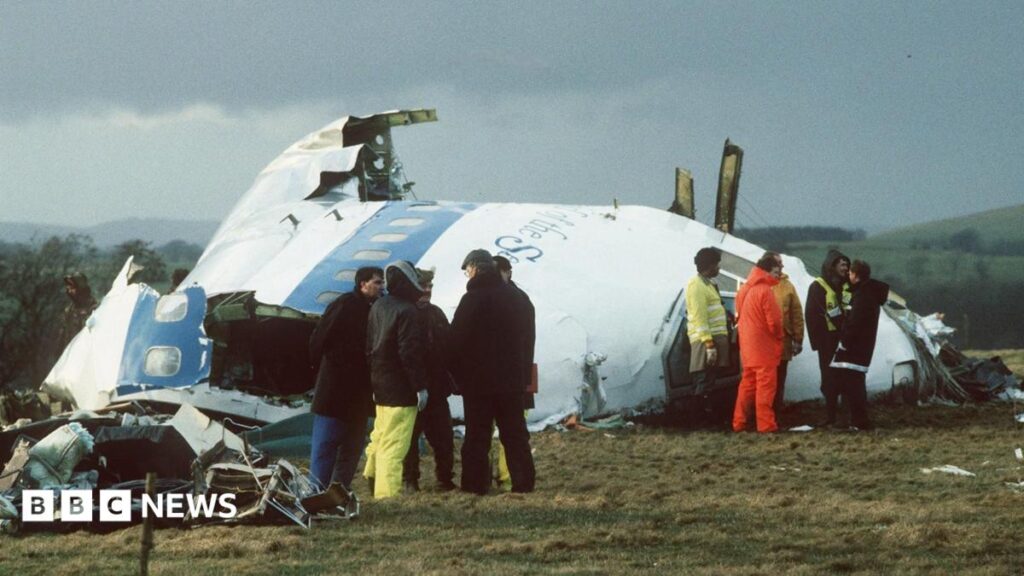
A reminder of the 1988 disaster and its lingering legal battles
On December 21, 1988, Pan Am Flight 103 exploded over the Scottish town of Lockerbie, killing all 259 people on board and 11 on the ground. The attack, later linked to Libyan intelligence, sparked an international outcry and a series of diplomatic confrontations that lasted for decades.
The first major trial, held in the Netherlands under Scottish law, concluded in 2001 with the conviction of Libyan national Abdelbaset al‑Megrahi. His subsequent release on compassionate grounds in 2009 left many families feeling justice was incomplete, prompting calls for a second suspect to be tried.
In 2024, Dutch prosecutors announced a new proceeding against a second Libyan defendant, a move seen as an attempt to finally close the case for the remaining victims and to satisfy lingering political pressures from the United Kingdom and the United States.
Why the trial has been postponed for the third time
The hearing was slated to begin in early September 2026, but a court statement on August 23 said the trial would be delayed again after "newly discovered evidence" was submitted by the United Kingdom’s Crown Office three days earlier. Sources say the material includes fresh forensic data and intercepted communications that could alter the prosecution’s strategy.
Defense lawyers argued that the evidence needed to be examined thoroughly to avoid a miscarriage of justice, prompting the presiding judge to grant a two‑week adjournment. The defence also requested additional time to consult independent experts, a request that the court accepted on procedural grounds.
Legal analysts note that the repeated postponements are not unusual in complex international terrorism cases, where the chain of custody for evidence can be difficult to verify after decades. The delay, however, has frustrated victims’ families who have already waited more than three decades for a final verdict.
Why the postponement matters beyond the courtroom
Beyond the legal arena, the trial’s timing intersects with ongoing diplomatic negotiations between Libya, the United Kingdom, and the United States. A conviction could pave the way for the final settlement of compensation claims that have been stalled since the early 2000s, potentially unlocking billions of dollars in reparations.
Economically, the outcome may influence the pace at which remaining sanctions on Libya are lifted. While most major sanctions were eased after 2011, a definitive legal resolution could remove residual trade restrictions, encouraging foreign investment in Libya’s oil sector—a market that supplies roughly 3% of global crude.
For the victims’ families, especially those in the United Kingdom, the United States, and the Caribbean, the delay reignites trauma. Advocacy groups have warned that repeated adjournments risk eroding public confidence in international justice mechanisms and may set a precedent for other cold‑case terrorism prosecutions.
The African and Libyan dimensions of the case
Libya’s involvement brings the case squarely into African geopolitics. Since the fall of Muammar Gaddafi in 2011, Libya has struggled with fragmented governance and a fragile economy. A clear verdict could help the country present itself as a responsible member of the international community, a factor that matters for its bid to secure reconstruction aid from the World Bank and African Development Bank.
The diaspora angle is also significant. Hundreds of Libyan expatriates living in Europe and North America have followed the trial closely, viewing it as a test of whether their homeland can be held accountable without being scapegoated. A transparent process could ease tensions within the Libyan diaspora, many of whom are active in business and remittance flows that sustain families back home.
Moreover, the trial’s outcome may affect regional security cooperation. If the court confirms that Libyan intelligence services were directly involved, neighboring African states could tighten border controls and intelligence sharing, influencing the broader fight against trans‑national terrorism in the Sahel and North Africa.
What could happen next and how the case fits a broader trend
If the new evidence strengthens the prosecution’s case, the trial could resume in late September with a shortened schedule, aiming for a verdict before the end of the year. Conversely, if the defence successfully challenges the admissibility of the fresh material, the court may grant another postponement, pushing the trial into 2027.
The Lockerbie saga mirrors a growing pattern where historic terror attacks are revisited decades later—examples include the 1972 Munich Olympics case and the 1998 U.S. embassy bombings. In each instance, advances in forensic technology and declassified documents have reignited legal proceedings, underscoring the long‑term reach of international law.
For African observers, the case serves as a reminder that accountability can be pursued across borders, even when the alleged perpetrators are from a continent often portrayed as a security risk. The eventual resolution—whether conviction or acquittal—will likely influence how future African‑linked terrorism cases are handled in European courts.
Quick Answers
Why has the Lockerbie bombing trial been delayed multiple times?
The trial has been postponed because newly discovered evidence was submitted just days before the start date, and both prosecution and defence need time to examine its impact.
How could the trial outcome affect Libya’s economy?
A verdict could trigger the final settlement of compensation claims and may lead to the removal of remaining trade sanctions, potentially boosting foreign investment in Libya’s oil sector.
What does the trial mean for victims’ families?
A conclusive legal decision would provide closure for families and could restore confidence in international justice, while further delays risk prolonging their trauma.
Source: www.bbc.co.uk




💬 Comments 0