London Fashion Week 2026 Trends: How Afro‑centric Prints, AI‑Styled Silhouettes and Sustainable Fabrics Shape the Global Market
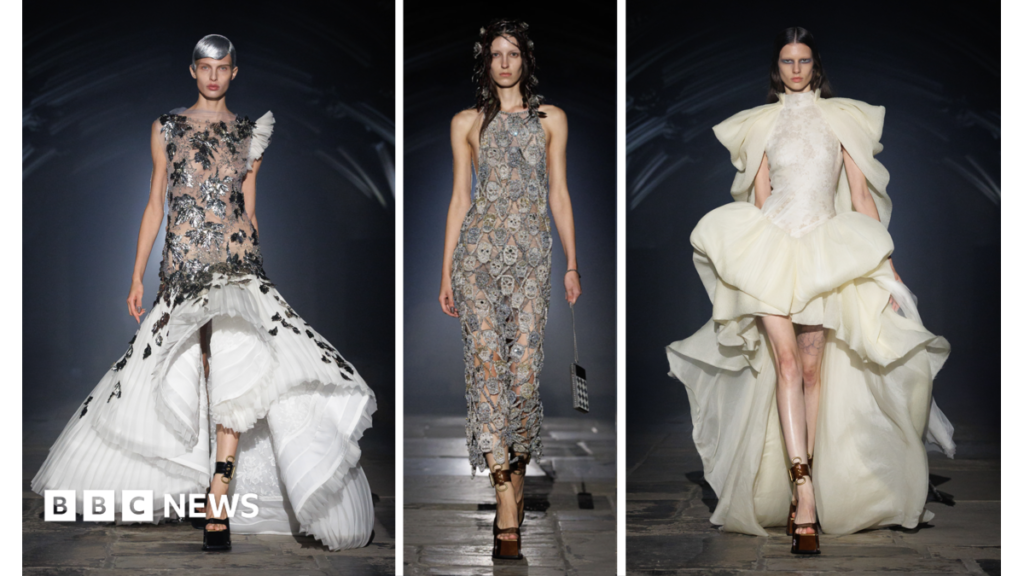
London Fashion Week 2026 in context
The February‑March 2026 edition of London Fashion Week (LFW) closed with a palpable sense of transition. While the city’s historic runway heritage still draws the biggest houses, the shows this season leaned heavily into technology, climate‑conscious sourcing and a renewed celebration of cultural hybridity. Designers from the UK, Europe and beyond used the platform to test ideas that will filter down to high‑street retailers over the next twelve months.
What set this LFW apart was the sheer diversity of the creative talent on the bill. Over a third of the featured designers were either based in Africa, of African descent, or explicitly referenced African aesthetics. This shift mirrors a broader industry pivot: the West is no longer the sole gatekeeper of fashion innovation, and African narratives are now influencing the global style conversation at the highest level.
Three headline trends and their origins
First, Afro‑centric prints resurfaced in a modern guise. From bold Ankara‑inspired digital patterns to hand‑woven kente motifs reinterpreted in metallic yarns, the prints were not mere decoration but a statement of cultural pride. Designers such as British‑Nigerian Aisha Bello cited Lagos Fashion Week’s rise as a catalyst, noting that “the energy of West African street style is finally being translated onto London’s catwalks.”
Second, AI‑generated silhouettes dominated the runway. Using generative design tools, several houses unveiled fluid, sculptural garments that could be customized on demand. While the technology is still nascent, the trend signals a future where mass‑customisation could reduce waste—a point repeatedly emphasized by sustainability advocates at the event.
Third, the season’s colour palette was anchored in earth tones—terracotta, olive, and muted ochre—paired with neon accents. The palette reflects a growing consumer appetite for “grounded optimism,” a phrase coined by fashion analyst Priya Nair after the shows. The colours also echo the natural dyes popular among African textile cooperatives, linking the trend back to the continent’s long‑standing craft traditions.
Why African designers and the diaspora matter now
The prominence of African‑inspired prints is more than aesthetic; it signals a shift in economic power. According to the African Development Bank, the continent’s fashion market is projected to reach $50 billion by 2030, driven by a youthful population and a surge in digital entrepreneurship. LFW’s spotlight on designers like Ghana’s Kofi Mensah and South Africa’s Thandiwe Moyo provides them with access to European buyers, venture capital, and media that were previously out of reach.
For the African diaspora, the trend offers a cultural validation that extends beyond the runway. Online retailers such as AfroThreads and Jumia Fashion have reported a 27 % spike in sales of African‑print clothing in the UK and US since the week’s shows, according to market data firm Euromonitor. This uptick suggests that consumers are actively seeking garments that reflect their heritage, turning runway inspiration into real‑world purchasing power.
Market implications for global and African retailers
Fast‑fashion giants are already scrambling to incorporate the season’s trends without compromising speed. H&M’s spring‑2027 catalogue, previewed in June, features a line of “Digital Kente” that blends AI‑generated patterns with responsibly sourced cotton. Critics argue that such moves risk cultural appropriation, but the companies claim they are collaborating with African textile cooperatives to ensure profit sharing, a claim that remains under scrutiny by NGOs.
Meanwhile, African manufacturers are positioning themselves as ethical suppliers for the global market. The Nigerian Textile Development Authority announced a partnership with a London studio to produce low‑impact, biodegradable fabrics that meet the AI‑customisation standards showcased at LFW. If the partnership scales, it could create upwards of 12 000 new jobs across West Africa, according to the authority’s press release.
What comes next: sustainability, tech and cultural exchange
Looking ahead, the convergence of sustainability, technology and African creativity is likely to define the next wave of fashion cycles. Industry insiders predict that by 2028, AI‑driven design will be standard practice for mid‑tier brands, reducing sample waste by up to 40 %. At the same time, the demand for traceable, ethically sourced African fabrics will push more European houses to establish transparent supply chains that include African producers.
For African designers, the challenge will be to retain creative autonomy while navigating larger corporate partnerships. As noted by Lagos‑based fashion incubator StyleRise, “the real test is whether African voices can shape the narrative, not just be featured as a decorative element.” The ongoing dialogue between LFW’s platform and African fashion ecosystems will determine whether the current buzz translates into lasting structural change.
Quick Answers
Which African designers were highlighted at London Fashion Week 2026?
Designers such as Aisha Bello (UK/Nigeria), Kofi Mensah (Ghana) and Thandiwe Moyo (South Africa) featured prominently, showcasing Afro‑centric prints and sustainable fabrics.
How are AI‑generated silhouettes expected to affect fashion waste?
Industry analysts say AI‑driven customisation could cut sample waste by up to 40 % by producing garments only after consumer demand is confirmed.
What economic impact could the LFW trends have on African textile workers?
Partnerships announced after the show, like the one with Nigeria’s Textile Development Authority, could create around 12 000 new jobs in sustainable fabric production.
Source: www.bbc.co.uk




💬 Comments 0