UK charges Dr Vincent Brown over 1994 Rwanda genocide, first prosecution in 30 years
Background: The 1994 genocide and decades of impunity
In April 1994, Rwanda descended into a horrific genocide that claimed an estimated 800,000 lives in just 100 days. The international community largely failed to intervene, and many perpetrators slipped through the cracks of justice, either fleeing abroad or hiding under new identities. Over the years, Rwanda’s own Gacaca courts and the International Criminal Tribunal for Rwanda (ICTR) tried thousands, yet a substantial number of alleged participants remain at large, often living quietly in Europe, North America, and elsewhere.
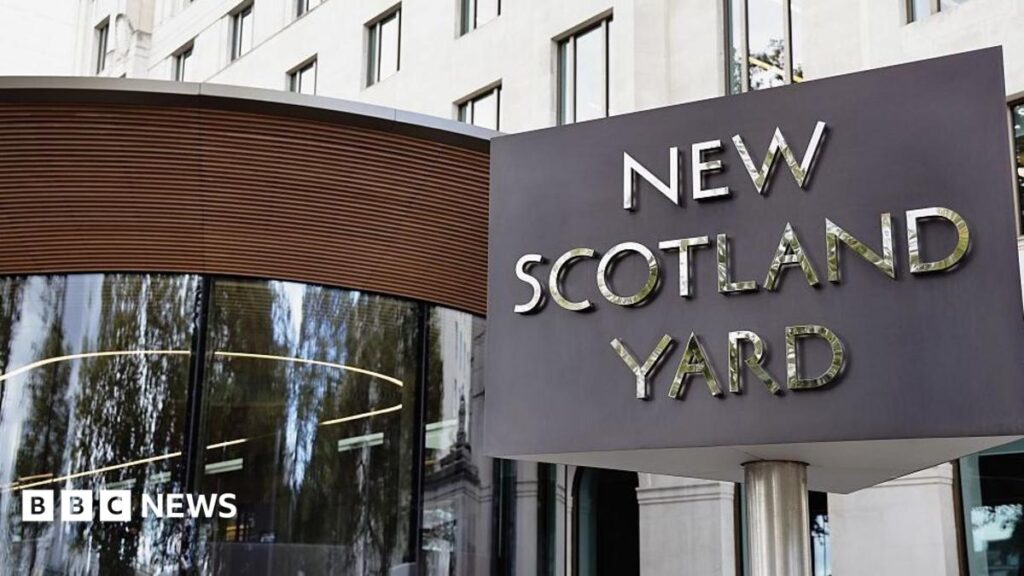
The United Kingdom has long been a destination for Rwandan refugees, including some who arrived under false pretences. While the UK has cooperated with the ICTR and later the International Residual Mechanism for Criminal Tribunals, it has rarely pursued its own criminal prosecutions for genocide‑related crimes. The new charges against Dr Vincent Brown, a former academic who changed his name from Vincent Bajinya, break a three‑decade silence in British courts on this issue.
The charges: What British prosecutors allege
Dr Vincent Brown, now 65, is set to appear before Westminster Magistrates’ Court on Tuesday facing seven counts, including genocide, crimes against humanity and conspiracy to commit murder. According to the Crown Prosecution Service, the indictment alleges that Brown, then a university lecturer in Kigali, helped organise and supply weapons to Hutu militias responsible for mass killings in the Gikongoro province.
Prosecutors say Brown also participated in the planning of systematic rapes used as a weapon of war, and later provided false statements to UK immigration officials to obtain refugee status. The charges are based on witness testimony gathered by Rwandan authorities and corroborated by forensic evidence presented to the British court, marking a rare instance where a foreign national is tried in the UK for crimes committed entirely abroad.
Why it matters: Legal precedent and accountability
The case is significant because it tests the reach of universal jurisdiction – the principle that certain crimes, such as genocide, can be prosecuted anywhere, regardless of where they occurred. If convicted, Brown would become the first person tried in the UK for the Rwanda genocide, setting a legal benchmark that could encourage other Western jurisdictions to revisit dormant cases.
Beyond the courtroom, the prosecution signals a shift in British policy toward more proactive engagement with historical atrocities. In recent years, the UK has faced pressure from human‑rights NGOs to address gaps in its extradition and asylum systems that inadvertently shielded alleged perpetrators. This move may also influence upcoming legislation on the vetting of asylum seekers with suspected involvement in mass atrocities.
Reactions across Rwanda, the diaspora and African civil society
Rwandan officials welcomed the charges, describing them as “a long‑overdue affirmation that no one is beyond the grasp of justice.” President Paul Kagame’s office issued a statement urging other nations to follow the UK’s example, noting that many genocide suspects still enjoy safe haven abroad. The Rwandan diaspora in the UK, which numbers over 30,000, organized a peaceful rally outside the court, demanding a swift and transparent trial.
African human‑rights groups, however, cautioned against treating a single prosecution as a panacea. Amnesty International’s Africa director warned that while the case is a step forward, systemic reforms are needed to prevent future impunity, such as stronger information‑sharing between African states and European immigration services. Some critics also raised concerns about the potential for politicised prosecutions, urging the UK to ensure due process and avoid turning the trial into a symbolic gesture.
What’s next: Trial timeline, possible outcomes and broader impact
If the magistrates find sufficient evidence, Brown will be sent to the Crown Court for a full trial, a process that could extend over 12‑18 months given the complexity of genocide evidence. Legal experts predict that the defence will focus on challenging the credibility of witnesses and the applicability of UK law to events that occurred more than three decades ago. A conviction could carry a life sentence, though sentencing guidelines for international crimes are still evolving in British jurisprudence.
The broader impact of the case may ripple through several arenas. For Rwanda, a conviction could bolster the government’s narrative of justice and reconciliation, potentially attracting foreign investment by demonstrating a stable rule of law. For the African diaspora in Europe, the trial may inspire a more vigilant community watch over asylum processes, encouraging whistle‑blowers to come forward. Finally, the case could catalyse a wave of similar prosecutions in France, Belgium and the Netherlands, countries that also host sizable Rwandan refugee populations.
Quick Answers
Who is Dr Vincent Brown and why is he being charged in the UK?
Dr Vincent Brown, formerly known as Vincent Bajinya, is a 65‑year‑old former Rwandan academic accused of participating in the 1994 genocide; UK prosecutors allege he helped supply weapons and plan atrocities, and later lied to obtain refugee status.
What does this case mean for universal jurisdiction in the UK?
If convicted, the case would set a precedent that British courts can try foreign nationals for genocide committed abroad, reinforcing the principle of universal jurisdiction and encouraging other countries to pursue similar prosecutions.
How are Rwandan communities in the UK reacting to the charges?
Rwandan diaspora groups have organized peaceful rallies demanding a fair trial, while the Rwandan government has praised the move as a step toward global accountability for the genocide.
Source: www.bbc.co.uk



💬 Comments 0