Typhoon 2026 Hits Japan’s East Coast, Impacting Tokyo, African Trade & Climate Debate
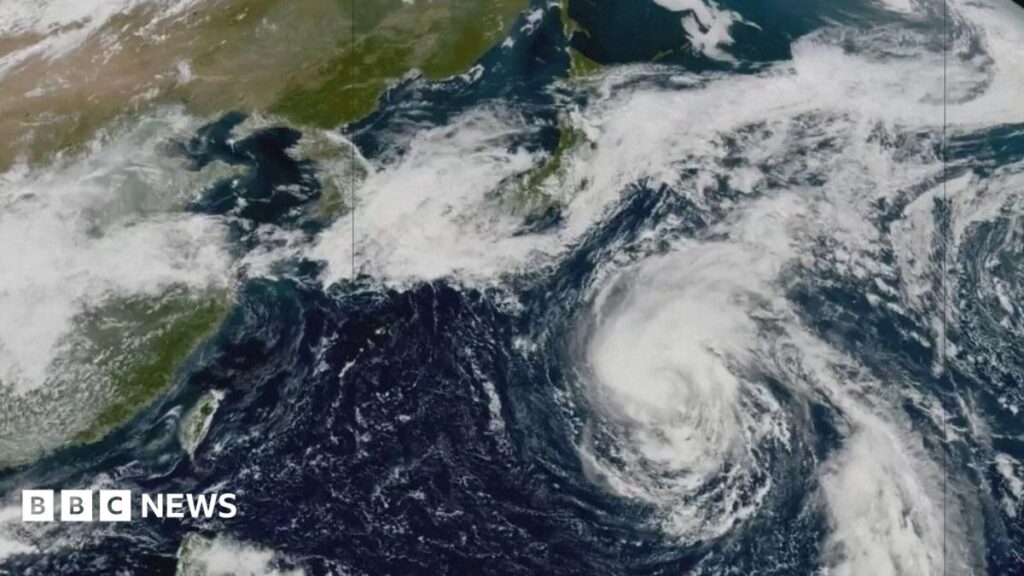
Background: A late‑season super‑typhoon forms
The storm, designated Typhoon Kiyoshi by the Japan Meteorological Agency, began as a tropical disturbance over the western Pacific on September 18. Within 48 hours it intensified to a Category 4 system, with sustained winds exceeding 150 km/h, prompting the agency to issue a special warning for the Kanto region – the first of its kind since 2019.
Japan’s typhoon season traditionally peaks between August and October, but climate scientists have noted a shift toward more powerful storms forming later in the year. A 2023 report from the United Nations Intergovernmental Panel on Climate Change (IPCC) linked the rise in sea‑surface temperatures to the increased frequency of super‑typhoons in the western Pacific.
The rapid deepening of Kiyoshi reflects a broader trend: the Pacific Ocean’s average temperature is now about 0.6 °C higher than the pre‑industrial baseline, according to data released by the World Meteorological Organization last month. This extra heat supplies the storm with more energy, allowing it to grow faster and retain strength farther north than typical.
The storm’s path and immediate effects on Japan
Kiyoshi is barreling toward Japan’s eastern coastline, with the eye expected to make landfall near Chiba Prefecture early Thursday morning. The Japan Meteorological Agency has projected rainfall totals of up to 800 mm in parts of the Kanto plain, enough to overwhelm drainage systems that were already strained by earlier summer floods.
Transport networks are already feeling the impact. All Shinkansen services between Tokyo and Osaka have been suspended, and major highways such as the Tomei Expressway have been closed as a precaution. Airlines have cancelled more than 200 flights out of Narita and Haneda, affecting both domestic travelers and international connections, including flights to Africa’s major hubs.
Emergency shelters are being readied in the prefectures of Chiba, Ibaraki and Saitama. According to Tokyo’s disaster management office, over 30,000 residents have been advised to evacuate low‑lying neighborhoods, while power companies are mobilising crews to protect critical substations from wind‑induced damage.
Why it matters beyond Japan – climate change and global supply chains
The disruption caused by Kiyoshi reverberates far beyond Japan’s borders. The country is a key node in the global electronics supply chain, providing components for everything from smartphones to automotive systems. A prolonged shutdown of factories in the Chiba and Kanagawa industrial zones could delay shipments to African markets that rely on Japanese parts for locally assembled devices.
Recent analysis by the African Development Bank (AfDB) estimates that Japan accounts for roughly 12 % of Africa’s imports of high‑tech equipment. Any bottleneck in Japanese production therefore translates into higher prices for African consumers and could stall ongoing digital‑infrastructure projects funded by the World Bank in Kenya and Nigeria.
Moreover, the storm underscores the economic cost of climate‑driven extreme weather. The World Bank’s 2024 Global Risks Report projected that climate‑related supply‑chain shocks could shave up to 0.5 % off global GDP by 2030. Kiyoshi serves as a real‑time illustration of that projection, prompting multinational firms to reconsider their risk‑mitigation strategies, including diversifying sourcing away from climate‑vulnerable regions.
African ties – trade, diaspora, and aid implications
Japan hosts an estimated 70,000 African expatriates, many of whom work in education, research and the automotive sector. Community organisations in Tokyo, such as the Africa‑Japan Friendship Association, have already set up volunteer hotlines to assist compatriots who may lack Japanese language skills during evacuation procedures. The association’s president, Dr. Kwame Mensah of Ghana, told local media that “our priority is to make sure every African resident knows where to find shelter and medical help.”
From a trade perspective, the typhoon could affect African exporters of raw materials like rubber and rare earths, which are shipped to Japanese manufacturers via the Port of Yokohama. If port operations are delayed, cargoes destined for African processing plants could be held up, disrupting timelines for downstream industries in South Africa and Ethiopia.
Humanitarian agencies are also watching the situation closely. The United Nations Office for the Coordination of Humanitarian Affairs (OCHA) has pre‑positioned emergency kits in the region, partly because of the sizable African migrant population that often relies on community networks for assistance. A spokesperson for OCHA said that “co‑ordination with local African NGOs will be crucial to ensure that aid reaches vulnerable groups swiftly.”
Reactions and what’s next – forecasts, preparedness, and longer‑term outlook
Japanese authorities have declared a state of emergency for the Kanto region, mobilising the Self‑Defense Forces to assist with sandbagging, power restoration and medical evacuations. Prime Minister Fumio Kishida, speaking from the cabinet office, urged citizens to heed evacuation orders and praised “the solidarity shown by foreign communities, including Africans, who are helping each other in this crisis.”
Meteorologists at the Japan Meteorological Agency now expect Kiyoshi to weaken to a Category 2 system as it moves inland, but heavy rain will persist for several days, raising flood risk in the lower reaches of the Tone River. Flood‑control experts recommend that agricultural cooperatives in neighboring prefectures, many of which export produce to African markets, prepare for potential crop losses.
In the longer term, the episode is likely to accelerate discussions on climate‑resilient infrastructure. The Japanese Ministry of Economy, Trade and Industry has announced a ¥1 trillion ($9 billion) investment plan for flood‑defence upgrades, a portion of which will be shared with ASEAN and African partners through technology‑transfer agreements. Observers see this as a chance for African nations to acquire advanced mitigation technologies while strengthening diplomatic ties with Japan.
Quick Answers
When is Typhoon Kiyoshi expected to make landfall in Japan?
The Japan Meteorological Agency forecasts that the eye of Typhoon Kiyoshi will hit near Chiba Prefecture early Thursday morning, September 23, 2026.
How could the storm affect African exporters to Japan?
Port delays in Yokohama and factory shutdowns in the Kanto region could postpone shipments of African raw materials, raising costs and pushing back delivery schedules for buyers in Japan.
What measures are being taken to protect African residents in Japan?
African community groups in Tokyo have set up multilingual hotlines and evacuation guides, while the Japanese government’s emergency response includes shelters equipped with translation services for foreign residents.
Source: www.bbc.co.uk



💬 Comments 0