Luis Enrique says PSG won’t ‘start crying’ over Doué, Kvaratskhelia injuries – impact on squad depth and African talent pipeline 2026
Background: PSG’s injury crisis and the players involved
Paris Saint-Germain entered the 2026-27 season with a star‑studded roster, but the club has already been hit by two serious setbacks. Midfielder Désiré Doué suffered a torn anterior cruciate ligament in training, while winger Khvicha Kvaratskhelia ruptured his Achilles during a Ligue 1 match. Both injuries are expected to keep the players out for the majority of the campaign, according to the club’s medical report released in early November.
Doué, a 22‑year‑old French international of Ivorian descent, broke into the PSG first team last season after impressive spells at Rennes and the French U‑21 side. Kvaratskhelia, the Georgian sensation who arrived from Napoli for a reported €90 million, has been a key creative outlet on the right flank. Their absences leave a noticeable void in the team’s attacking balance and midfield dynamism.
Luis Enrique’s stance: ‘We won’t start crying’
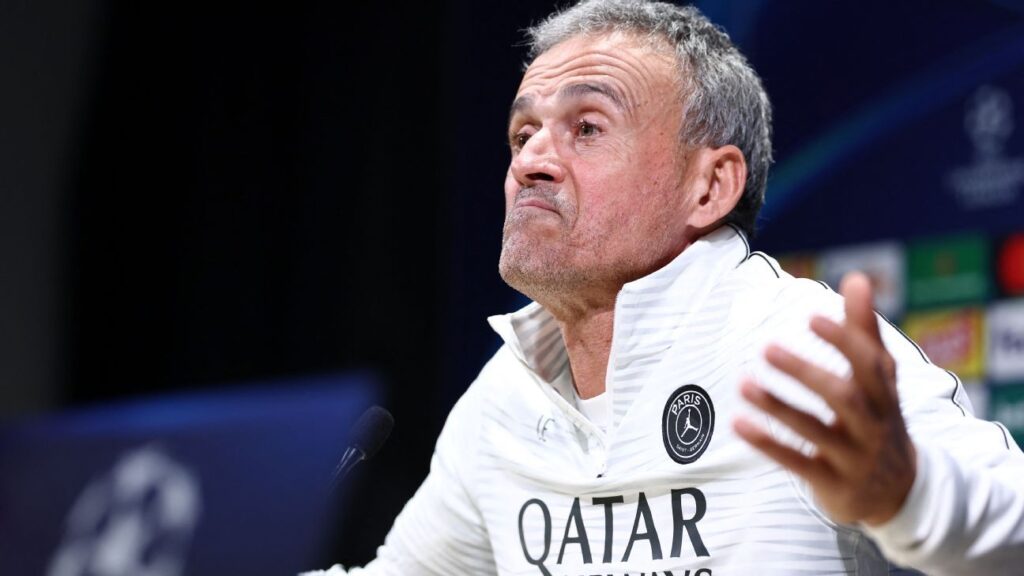
When asked about the double blow, PSG head coach Luis Enrique responded with characteristic bluntness, telling French television that the club “won’t start crying” and will instead rely on its depth. He emphasized that the squad’s quality allows it to adapt without panic, a sentiment echoed by several senior players in the dressing room, according to a source close to the team.
Enrique’s comments also hinted at a strategic shift. Rather than rushing injured stars back, the Spaniard plans to give more minutes to younger talents and recent signings, a move that could reshape the squad’s hierarchy for the rest of the season. The manager’s confidence is rooted in the belief that PSG’s financial muscle can still secure short‑term replacements if needed.
Why it matters for African football and the diaspora
Doué’s injury carries a symbolic weight for the African diaspora in Europe. Born in France to Ivorian parents, he is part of a growing cohort of players who serve as role models for young Africans and French‑born talent of African heritage. His absence from the spotlight reduces the visibility of that pathway at a time when African academies are seeking more European showcases for their graduates.
Moreover, PSG’s reliance on African‑origin players has broader market implications. The club’s scouting network in West Africa, especially in Côte d’Ivoire and Ghana, has been a pipeline for affordable yet high‑potential talent. If the team leans heavily on existing stars instead of promoting newcomers, it could slow the flow of African prospects into top‑tier European clubs, affecting transfer fees and exposure for the continent’s football ecosystem.
The wider trend: big clubs coping with injury overload
PSG is not alone in confronting an injury avalanche. Across Europe, clubs like Manchester City and Bayern Munich have also reported multiple long‑term absences this winter. Analysts note that the increased intensity of modern schedules, combined with climate‑related fatigue, is stretching squad depth to its limits. According to a report by The Athletic, the average number of injuries per top‑five league team has risen by 12 % over the past three seasons.
This trend forces clubs to rethink roster construction. Instead of loading a squad with a handful of marquee names, managers are now valuing versatile players who can cover several positions. For African talent, this shift could open doors: scouts are increasingly looking for adaptable athletes who can slot into multiple roles, a trait often cultivated in African academies where resources are limited but versatility is prized.
What’s next for PSG and the African market?
In the short term, PSG is expected to promote academy graduates such as Lenny Pintor and to test the recent signing of Senegalese forward Bamba Dieng in a more prominent role. The club’s sporting director, Leonardo, has already hinted at a possible winter loan for a promising Ivorian midfielder, a move that would directly address the gap left by Doué while keeping African talent in the PSG orbit.
Longer‑term, the situation underscores the importance of robust youth development on the continent. African federations and private academies are lobbying UEFA and FIFA for greater investment in scouting infrastructure, arguing that European clubs’ injury crises highlight the need for a sustainable talent pipeline. If PSG successfully integrates African‑origin players into key positions this season, it could set a precedent that encourages other elite clubs to look more seriously at the continent’s untapped pool.
Quick Answers
How long will Doué and Kvaratskhelia be out for PSG?
Both injuries are expected to keep the players sidelined for most of the 2026‑27 season, with Doué facing 6‑9 months and Kvaratskhelia around 7‑10 months of recovery.
Will PSG sign more African players after these injuries?
Club officials have indicated interest in bringing in an Ivorian midfielder on loan, suggesting a continued focus on African talent to fill the squad gaps.
What does Luis Enrique mean by ‘we won’t start crying’?
Enrique meant that PSG will rely on its existing depth and youth prospects rather than panic or rush injured stars back to action.
Source: www.espn.com




💬 Comments 0