Maricarmen Abascal 87-year-old Spanish pensioner dies after forced eviction, sparking housing rights debate in Spain and beyond
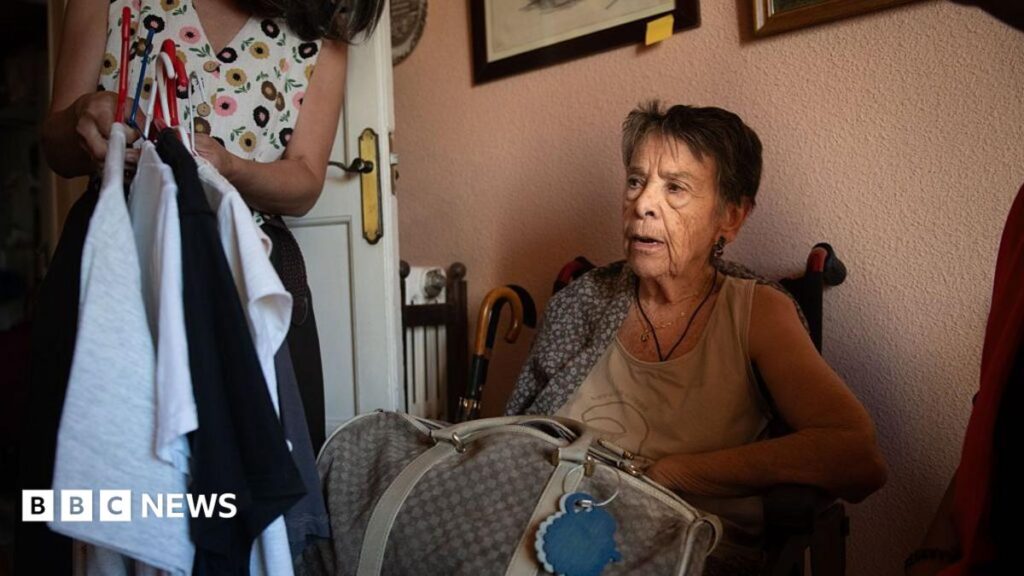
Background: A home of seven decades
Maricarmen Abascal, an 87‑year‑old pensioner from the Madrid suburb of Vallecas, had lived in the same flat for more than 70 years. The building, constructed in the post‑war era, was typical of Spain’s low‑cost rental stock that housed generations of working‑class families. Over the decades, the property changed hands several times, eventually ending up under the ownership of a large investment firm that bought the block in 2018.
Spain’s rental market has been under pressure since the 2008 financial crisis, with rising demand for affordable housing and a surge of foreign investors buying up apartments for short‑term rentals. The government introduced a rent‑control law in 2022, but loopholes remain, especially for properties owned by overseas funds that can claim “renovation” or “sale” as justification for evictions.
Abascal’s tenancy was formally protected under the 1994 Urban Lease Act, which guarantees tenants over 65 a right to remain in their homes unless a justified cause is proven. However, the law also allows landlords to terminate contracts if they can demonstrate a “legitimate need” to occupy the dwelling, a clause that has been increasingly exploited.
The eviction and its immediate aftermath
In early September 2026, the new owners filed an eviction request, claiming they needed the unit for a “renovation project” that would supposedly increase the building’s value. The court granted the order, and on September 12, police entered Abascal’s flat, placing her on a stretcher and removing her belongings. She was taken to a local hospital, where she was treated for a broken hip and severe shock.
The forced removal triggered an outcry on social media, with the hashtag #AbascalNoSeVa trending across Spain. Hundreds of activists, senior citizens’ groups, and opposition politicians gathered outside the courthouse, demanding an investigation into the use of excessive force. Within days, the Ministry of Housing announced a review of the case, while the police opened an internal probe into the conduct of the officers involved.
Abascal survived the eviction but her health deteriorated rapidly. She passed away on October 6, 2026, just two weeks after the incident. Her death was confirmed by her family and reported by major Spanish outlets such as El País and ABC. The tragedy has become a symbol of the wider struggle against aggressive evictions that target vulnerable elderly tenants.
Why the case matters for Spain and Europe
The incident highlights a growing tension between property‑rights legislation and social‑housing protections in many European countries. Spain’s rent‑control measures, introduced to curb soaring rents, are being tested by powerful real‑estate funds that can still invoke “renovation” clauses to displace long‑term tenants. Legal scholars, like Professor Ana García of the University of Barcelona, warn that without stricter enforcement, cases like Abascal’s could become commonplace.
Politically, the episode has given momentum to the left‑wing Podemos party, which has called for a “zero‑eviction” policy for seniors and the creation of a public register of properties owned by foreign investment funds. In the European Parliament, similar concerns have been raised about the impact of cross‑border real‑estate speculation on housing security, prompting a draft resolution to tighten EU‑wide eviction standards.
Economically, the case underscores the social cost of treating housing solely as a financial asset. A 2025 study by the European Housing Observatory estimated that forced evictions of elderly tenants cost the public sector an average of €12,000 per case in emergency health services and legal aid. Reducing such incidents could therefore free up resources for other social programs.
Echoes in Africa: Housing insecurity and diaspora concerns
While the story unfolded in Madrid, it resonates with housing challenges across Africa, where rapid urbanisation and speculative property markets are displacing low‑income residents. In South Africa’s Cape Town, for example, a 2023 court ruling allowed a private developer to evict a pensioner from a 60‑year‑old shack, sparking protests similar to those seen in Spain. The parallel shows that elderly tenants are globally vulnerable when profit motives outweigh social safeguards.
The African diaspora in Spain, especially the sizable Nigerian and Ghanaian communities, has taken a keen interest in the case. Community leaders have organized vigils, framing Abascal’s death as a warning that “no one is safe from eviction, regardless of nationality.” Their activism is part of a broader push for migrant workers’ rights, including access to secure, affordable housing—a demand that echoes the African Union’s 2024 Agenda for Sustainable Urban Development.
Moreover, the incident may affect African investors who have recently begun buying European residential assets as a hedge against currency volatility. The heightened scrutiny on foreign ownership could lead to tighter regulations that impact the flow of capital from African sovereign wealth funds into European real‑estate markets, potentially reshaping investment strategies on both continents.
What’s next: Legal reforms and civil‑society response
In the short term, Abascal’s family has filed a civil lawsuit seeking damages for unlawful eviction and emotional distress. Legal analysts predict a settlement could run into the high six figures, especially if the court finds that the police used disproportionate force, a claim that is currently being examined by the National Police Ethics Committee.
On the policy front, the Spanish government announced a “Housing Dignity” task force in early October 2026, tasked with drafting amendments to the Urban Lease Act. Proposals on the table include banning evictions of tenants over 65 without a court‑ordered relocation plan and requiring landlords to provide a minimum six‑month notice before any forced removal.
Civil‑society groups are capitalising on the momentum. The platform “Alquiler Digno” has launched a crowdfunding campaign to support legal aid for elderly tenants facing eviction, while the European Network of Tenants’ Associations plans a pan‑EU march on 15 November to demand stricter enforcement of tenant protections. The outcome of these efforts will likely shape how Spain, and perhaps the wider EU, balances private property rights with the social imperative of housing security.
Quick Answers
What caused Maricarmen Abascal's death?
She died two weeks after being forcibly evicted, with doctors citing complications from a broken hip and severe shock as primary factors.
Can landlords evict elderly tenants in Spain?
Yes, but the law requires a justified cause and, increasingly, courts are scrutinising evictions of tenants over 65 for fairness.
How does this case relate to housing issues in Africa?
Similar patterns of speculative evictions of vulnerable seniors are seen in South Africa and other African cities, linking the Spanish case to a global housing‑rights concern.
Source: www.bbc.co.uk




💬 Comments 0