Medicare’s $50 Obesity Drug Program Reaches 200,000 Prescriptions in First Year, CVS and Walgreens Report
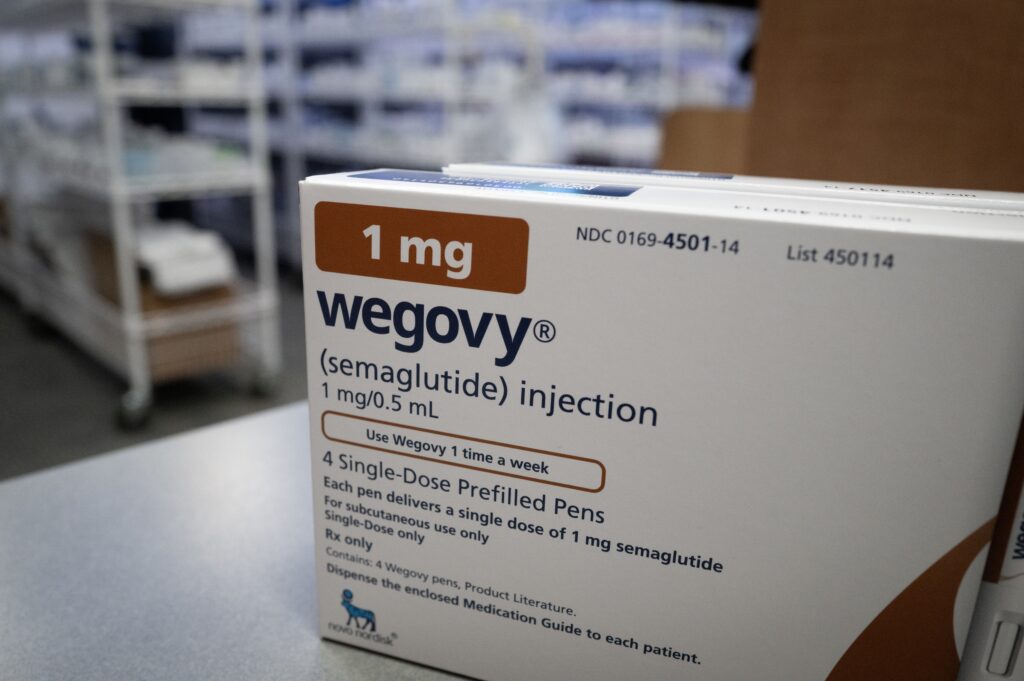
Why Medicare turned to a $50 price tag
Obesity has become the leading chronic condition among seniors, with the Centers for Disease Control and Prevention estimating that roughly 42 % of Medicare beneficiaries are obese. The health‑care costs tied to obesity‑related complications—heart disease, diabetes, joint replacements—run into the billions each year, prompting policymakers to look for preventive levers that can curb spending while improving quality of life.
In response, the Centers for Medicare & Medicaid Services (CMS) launched the Bridge program on July 1, 2024, offering a capped $50 monthly co‑pay for a select list of FDA‑approved weight‑loss medications. The price ceiling was negotiated with manufacturers after a series of high‑profile lawsuits over the $1,300‑plus list price of drugs such as semaglutide and tirzepatide, which had sparked public outcry and congressional hearings.
How the program works and early uptake
To qualify, beneficiaries must have a documented body‑mass index (BMI) of 30 or higher, or 27 with a weight‑related comorbidity, and must have tried lifestyle interventions first. Once approved, the prescription is filled at participating retail pharmacies, which absorb the difference between the $50 patient contribution and the drug’s market price, reimbursed by Medicare at a negotiated rate.
Within the first 13 months, CVS Health and Walgreens each reported that they have filled roughly 100,000 prescriptions under the Bridge program. The combined 200,000 fills represent about 0.6 % of the roughly 33 million people enrolled in Medicare, but the rapid uptake signals strong demand among seniors who previously could not afford these medications.
What the $50 price point means for seniors and the health system
For beneficiaries, the $50 co‑pay eliminates a major financial barrier that had kept many from accessing clinically proven therapies. A survey conducted by the National Council on Aging in August 2026 found that 68 % of respondents who started a Bridge‑approved drug reported a noticeable reduction in weight within three months, and 42 % said they required fewer diabetes or hypertension medications as a result.
From a system‑wide perspective, early health‑economics models suggest that each dollar spent on the drug could save up to $3 in downstream medical costs by averting hospitalizations and surgeries. If the trend holds, the program could offset a substantial portion of its own budget outlay, a point that CMS officials are monitoring closely as they consider expanding the drug list.
Implications for the African diaspora and lessons for the continent
Obesity rates among African‑origin populations in the United States have risen sharply, with the CDC noting a 15 % increase in obesity prevalence among Black seniors between 2015 and 2024. The Bridge program therefore offers a tangible health‑equity tool for a demographic that historically faces both higher disease burden and lower access to cutting‑edge treatments.
African health ministries are watching the U.S. experiment with keen interest. Many countries on the continent grapple with rising obesity alongside limited drug availability and high out‑of‑pocket costs. The negotiated $50 price point demonstrates that large‑scale payer leverage can force manufacturers to lower prices—a strategy that could be replicated by pooled procurement mechanisms such as the African Union’s Pharmaceutical Procurement Initiative.
What comes next: policy tweaks, market dynamics, and possible expansion
CMS has signaled that the initial drug roster will be reviewed in early 2027, with the possibility of adding newer agents like cagrilintide if they meet cost‑effectiveness thresholds. At the same time, manufacturers are lobbying for tiered pricing that would differentiate between Medicare and commercial insurers, a move that could reshape the broader pharmaceutical pricing landscape.
For retailers, the success of the Bridge program is prompting a re‑evaluation of pharmacy‑based chronic‑care services. Both CVS and Walgreens are piloting integrated weight‑management clinics that combine medication, nutrition counseling, and tele‑health follow‑ups, aiming to boost adherence and capture additional revenue streams. How these ancillary services perform will likely influence whether other countries adopt similar bundled‑care models.
Quick Answers
How many Medicare beneficiaries have used the $50 obesity drug program?
As of August 2026, CVS and Walgreens together have filled about 200,000 prescriptions under the program.
What criteria must seniors meet to qualify for the Bridge program?
Beneficiaries need a BMI of 30 or higher, or 27 with a weight‑related condition, and must have attempted lifestyle changes first.
Why is the program relevant to African‑origin communities in the US?
Obesity rates are rising among Black seniors, and the low‑cost access to effective drugs can reduce health disparities in that population.
Source: www.npr.org




💬 Comments 0