Michael Polansky’s AI-driven living skin platform targets new skincare compounds in 2026
Background: AI meets tissue engineering in cosmetics
For years the beauty industry has relied on animal testing, 2‑D cell cultures, or short‑lived skin patches to gauge how a formula will behave on human skin. The emergence of organ‑on‑a‑chip technology in the early 2020s began to shift that paradigm, but the models still struggled to keep complex skin layers alive for more than a few days.
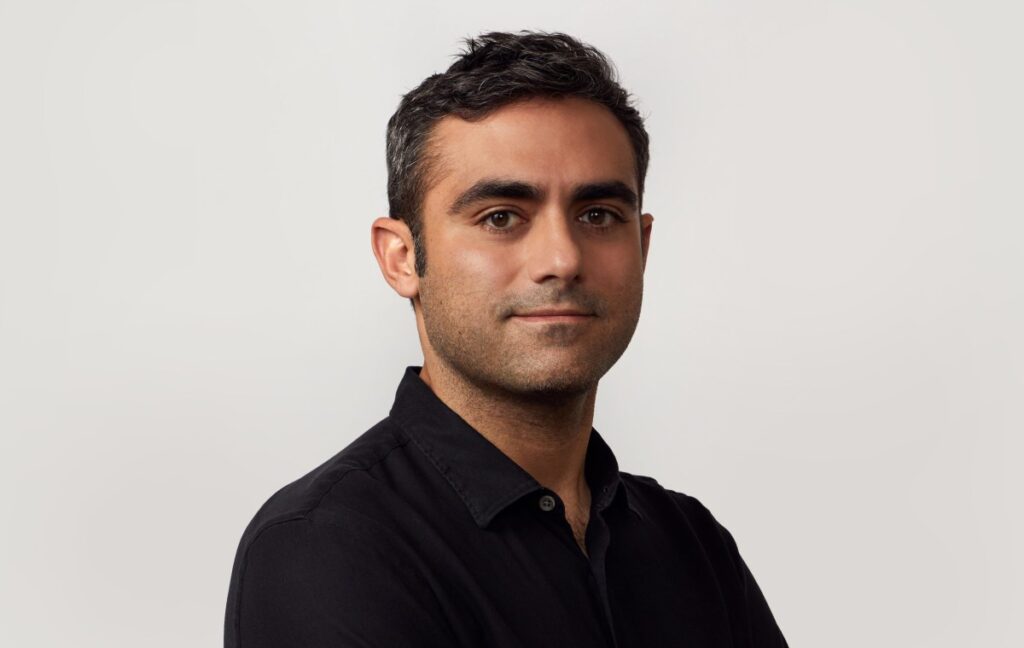
Enter Michael Polansky, a former deputy to tech entrepreneur Sean Parker and longtime confidant of pop star Lady Gaga. According to a recent interview, Polansky has spent the last several years quietly assembling a team of bioengineers, data scientists, and dermatologists to build a platform that can sustain living human skin tissue for weeks outside the body.
The startup, which operates under the name DermAI, blends microfluidic bioreactors with machine‑learning algorithms that predict how skin cells respond to chemical cues. By feeding the tissue a steady stream of nutrients and oxygen, the system mimics the natural environment of the epidermis and dermis, allowing researchers to observe longer‑term effects of candidate compounds.
How the living skin platform works
At the heart of DermAI’s technology is a sealed cartridge that houses a thin slice of donor skin, usually harvested from cosmetic surgery waste. The cartridge contains a network of micro‑channels that deliver a custom‑tuned culture medium, while embedded sensors track pH, temperature, and metabolic waste in real time.
Parallel to the physical system, an AI model processes the sensor data and visual imagery captured by high‑resolution microscopes. The algorithm has been trained on millions of data points from prior experiments, enabling it to flag subtle changes in barrier function, collagen synthesis, or inflammatory markers within hours of exposure to a test ingredient.
Researchers can therefore run dozens of compound variations simultaneously, shortening the discovery cycle from months to weeks. Polansky says the platform can keep the tissue viable for up to three weeks, a timeframe long enough to see how repeated dosing influences skin aging pathways.
Why the breakthrough matters for the global beauty industry
The cosmetics market is projected to exceed $800 billion by 2030, and consumers are demanding products that are both effective and ethically sourced. A system that delivers human‑relevant data without animal testing could become a new gold standard, especially as regulators in the EU and Canada tighten cruelty‑free requirements.
From a commercial perspective, the ability to de‑risk formulations early in development can slash R&D spend dramatically. Analysts at Bloomberg estimate that large multinational brands could save up to $150 million per product line by cutting down on failed clinical trials, a margin that could be passed on to consumers as lower prices or reinvested into more innovative ingredients.
Beyond skincare, the technology could spill over into pharmaceuticals, where dermatological delivery of drugs remains a major challenge. Companies developing transdermal patches or topical therapies may adopt the platform to test permeability and irritation before moving to costly human trials.
Implications for Africa: market, research and regulatory challenges
Africa’s skincare market, valued at roughly $30 billion in 2025, is driven by a youthful population and a growing middle class that increasingly seeks premium, scientifically backed products. Yet many global brands still formulate based on data derived from Caucasian skin, leading to mismatches in efficacy for African melanin‑rich complexions.
DermAI’s ability to keep real human skin alive opens the door for African research institutes to test products on locally sourced tissue, ensuring formulations address hyperpigmentation, keloid scarring, and sun‑damage patterns common across the continent. Some Nigerian biotech start‑ups, such as SkinTech Lagos, have already expressed interest in licensing the bioreactor technology to build a regional testing hub.
Regulatory bodies like the African Medicines Agency (AMA) are still drafting guidelines for ex‑vivo tissue models. If the platform gains acceptance, it could accelerate the creation of continent‑specific standards, reducing reliance on overseas data and fostering homegrown innovation. However, ethical concerns about donor consent and data privacy will need clear frameworks to avoid the pitfalls seen in earlier biobanking initiatives.
What’s next: competition, regulation and the ethics debate
DermAI is not alone in the race to commercialise living‑skin platforms. Competitors in the United States and Europe, such as BioSkin Labs and European biotech firm SkinSense, are racing to scale similar systems. The differentiator for Polansky’s venture is the integration of a proprietary AI engine that claims to predict long‑term outcomes with higher accuracy than traditional statistical models.
Regulators are beginning to take notice. The US Food and Drug Administration (FDA) announced in March 2026 that it will review data from ex‑vivo skin models as part of its new “Alternative Test Methods” program. Meanwhile, consumer‑rights groups have raised questions about the sourcing of donor tissue and whether the AI could inadvertently reinforce bias if trained predominantly on lighter‑skinned samples.
Polansky says the company will launch a public beta later this year, inviting cosmetics brands to submit compounds for testing. If the pilot delivers on its promises, the next wave could see major retailers advertising “AI‑validated, human‑tested” claims, a shift that may redefine how beauty products are marketed worldwide.
Quick Answers
How does DermAI keep human skin alive outside the body?
The platform uses a microfluidic cartridge that supplies nutrients, oxygen, and waste removal while sensors and AI monitor tissue health, allowing skin slices to stay viable for up to three weeks.
Why is this technology important for African skincare consumers?
It enables testing on skin samples that reflect African melanin levels, helping brands develop products that work better for issues like hyperpigmentation and keloid scarring.
When will DermAI be available to cosmetics companies?
DermAI plans to open a public beta in late 2026, inviting brands to run compound trials on its living‑skin system.
Source: techcrunch.com




💬 Comments 0