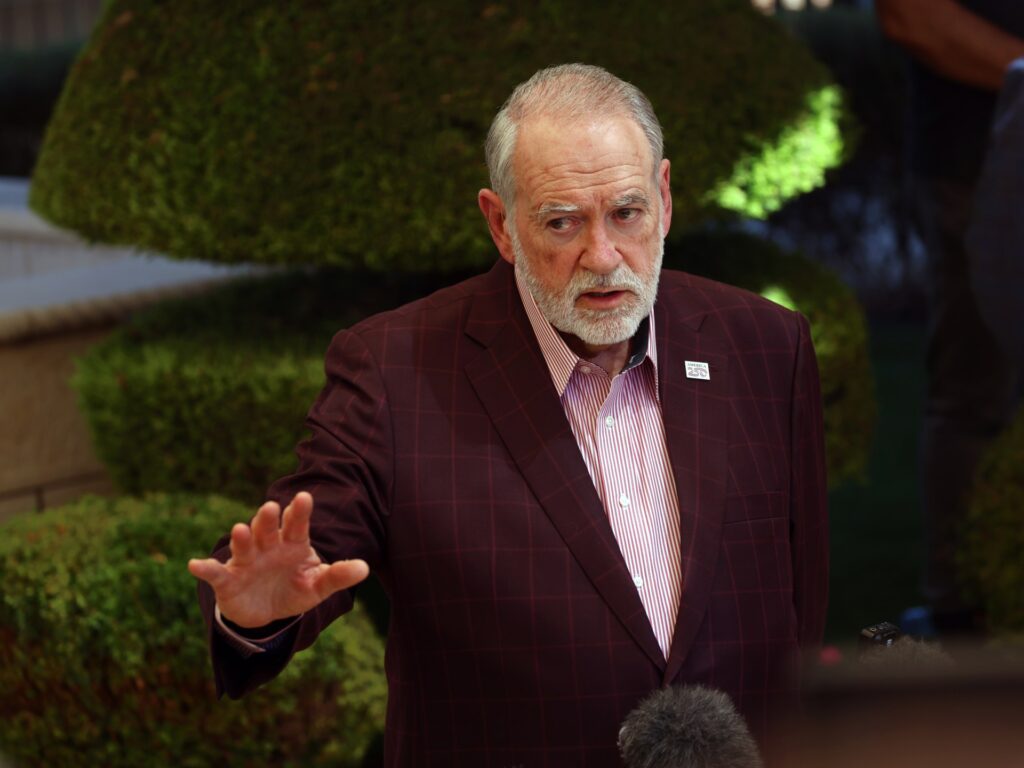
Mike Huckabee blames ‘biblical illiteracy’ for 60% US unfavourable view of Israel, 2026 poll
Background: From evangelical stronghold to a poll shock
For decades, American evangelical Christians have been one of the most vocal supporters of Israel, often framing the relationship in biblical terms. That alliance helped shape US foreign policy, from aid packages to diplomatic backing at the United Nations.
In April 2026, a Pew Research Center poll revealed a startling reversal: 60 percent of US adults now hold an unfavourable view of Israel. The result has sent political commentators scrambling for explanations, and former Arkansas governor Mike Huckabee entered the debate with a provocative claim.
The poll and the shift in American attitudes
The Pew poll surveyed 10,500 adults across the country and found the unfavourable rating for Israel had risen 15 points since the previous year. Younger voters, particularly those identifying as Gen Z, were the most critical, while older white evangelicals still showed a majority of support.
Analysts link the shift to several factors: the prolonged Gaza conflict, growing awareness of human‑rights concerns, and a broader fatigue with US foreign entanglements. The poll also noted that respondents who said they follow the Bible closely were no longer uniformly pro‑Israel, suggesting a nuanced reinterpretation of scripture.
Why ‘biblical illiteracy’ matters to US‑Israel support
Huckabee argued that a lack of biblical knowledge is eroding the moral narrative that has kept many Americans on Israel’s side. In a televised interview he said, “When people can’t read the stories that have underpinned our support for Israel for generations, the connection weakens.”
Scholars of religion caution against oversimplifying the issue. According to a professor at Fuller Theological Seminary, many evangelicals are re‑examining the theological basis for unconditional support, especially in light of new scholarship that emphasizes justice and compassion over geopolitical allegiance.
African implications: security, trade, and diaspora ties
The United States’ stance on Israel reverberates far beyond its own borders, especially across Africa where Israeli technology, security assistance, and agricultural projects have become integral to several economies. Nations such as Kenya, Ethiopia, and Nigeria have welcomed Israeli drones, irrigation systems, and cyber‑defence training.
If US policy drifts away from Israel, African governments may face a diplomatic balancing act. For example, Ethiopia’s recent peace‑building talks with Sudan have been facilitated by Israeli mediators; a reduced US‑Israel partnership could limit the resources available for such initiatives.
The African diaspora in the United States is also watching closely. Nigerian‑American entrepreneurs who have partnered with Israeli fintech firms fear that a cooling of bilateral ties could slow investment flows, while African American churches that have historically championed Israel are reassessing their theological messaging.
Political calculations: elections, lobbying, and African foreign policy
U.S. mid‑term elections later this year will test how much political capital candidates are willing to spend on Israel. Pro‑Israel lobbying groups, such as AIPAC, are already ramping up outreach to African American voters, highlighting shared concerns over terrorism and economic development.
African leaders are also recalibrating. President Cyril Ramaphosa of South Africa, who recently hosted an Israeli delegation, hinted that South Africa will continue its cooperation based on “mutual benefit, not external pressure.” This stance reflects a growing trend among African capitals to diversify partnerships beyond traditional Western donors.
The shift may also influence aid formulas. The United States Agency for International Development (USAID) has earmarked $1.2 billion for Israeli‑led agricultural projects in sub‑Saharan Africa. A downturn in political support could jeopardise that funding, prompting African ministries to seek alternative donors such as the United Arab Emirates or China.
What’s next: possible policy pivots and African responses
If the perception of Israel continues to sour, Washington could adopt a more neutral stance, emphasizing human‑rights conditions in any future aid packages. Such a move would likely accelerate calls from African NGOs for greater transparency in Israeli‑African projects.
Conversely, a backlash from evangelical voters could see a renewed push for “biblical literacy” programs, aimed at re‑instilling a pro‑Israel narrative. Should that happen, African partners might benefit from a resurgence of US‑backed funding, but only if they align with the renewed ideological framework.
For African stakeholders, the prudent strategy is diversification. By building relationships with a broader set of partners—European, Asian, and Gulf states—countries can hedge against the volatility of US public opinion while still capitalising on the technological advantages that Israeli collaboration offers.
Quick Answers
What did the 2026 Pew poll reveal about US views on Israel?
The poll found that 60 % of US adults now hold an unfavourable view of Israel, up from 45 % a year earlier.
Why does Mike Huckabee blame ‘biblical illiteracy’ for the shift?
Huckabee says many Americans no longer understand the biblical narratives that historically linked evangelical support to Israel, weakening that political bond.
How could changing US support for Israel affect African countries?
Reduced US‑Israel cooperation could limit funding and technology transfers to African nations that rely on Israeli expertise in security, agriculture, and fintech.
Source: www.aljazeera.com




💬 Comments 0