Modi’s India confronts Trump over terrorism accusations and 2026 tariff clash
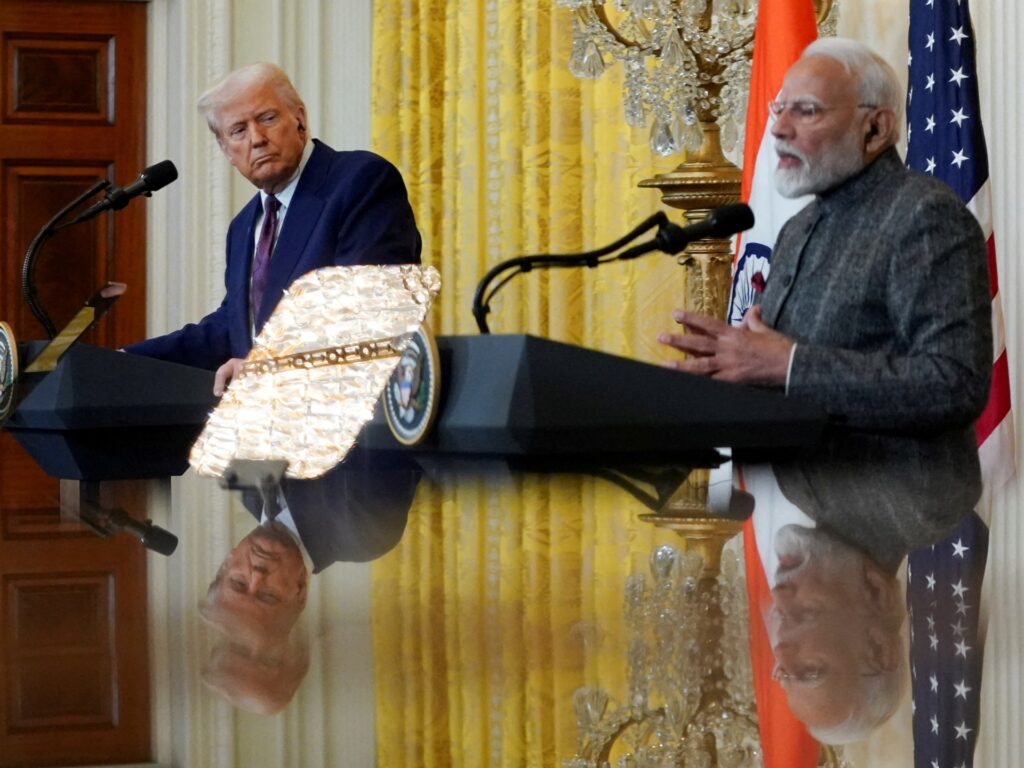
Background: India‑US ties under strain
Since the start of 2026, the relationship between New Delhi and Washington has been a seesaw of cooperation and contention. While the two democracies still share strategic interests in the Indo‑Pacific, friction has risen over trade imbalances, technology restrictions, and divergent approaches to regional security. The United States, under President Donald Trump, has repeatedly warned India about perceived laxity on counter‑terrorism cooperation, a narrative that has found echo in some Western media but less so in Indian circles.
Domestically, Prime Minister Narendra Modi faces a volatile political landscape. Recent state elections have sharpened nationalist sentiment, and opposition parties have accused his government of bowing to foreign pressure on economic matters. This internal pressure has emboldened Modi to adopt a more confrontational tone, especially when the United States appears to use trade policy as leverage against India’s growing global clout.
The latest flashpoint emerged after the U.S. announced a provisional 12% tariff on a slate of Indian‑origin steel and aluminum products, citing national security concerns. Simultaneously, senior U.S. officials publicly linked Indian intelligence agencies to alleged support for extremist groups operating in South Asia, a claim that India vehemently denies. These twin accusations set the stage for a direct diplomatic showdown.
New confrontations: terrorism and tariff disputes
In a televised press conference on September 28, Modi labeled the U.S. accusations of “terrorism‑related negligence” as “unfounded and politically motivated,” and announced that India would file a formal protest at the World Trade Organization. He also warned that retaliatory tariffs could be imposed on American agricultural imports, a sector that already faces stiff competition from Brazilian and Argentine producers in Indian markets.
The tariff issue is more than a symbolic slap; it threatens to disrupt supply chains that link Indian manufacturers with African buyers. India supplies roughly $4 billion worth of steel annually to African nations such as Kenya, Nigeria, and South Africa. A U.S. tariff hike could push Indian exporters to raise prices, making African infrastructure projects—many financed by Chinese and Indian loans—more expensive and potentially slowing down growth.
On the terrorism front, the United States has cited a 2025 intelligence report that allegedly linked a fringe Indian political outfit to funding channels used by a South Asian extremist network. Indian officials, however, have called the report “selectively edited,” and have offered to share raw data with U.S. counterparts. The dispute has spilled into the United Nations, where both sides are now seeking allies among the Global South to shape the narrative.
Why it matters for Africa and the diaspora
India’s diplomatic posture toward the United States reverberates across Africa because New Delhi is the continent’s second‑largest investor after China. Indian firms are heavily involved in telecom, renewable energy, and pharmaceuticals across Sub‑Saharan Africa. A prolonged trade war could force Indian companies to reassess capital deployment, leaving a vacuum that Chinese or Western firms might fill, thereby reshaping the competitive landscape for African economies.
The Indian diaspora in Africa, estimated at over 1.2 million people, often serves as a bridge for business and cultural exchange. Heightened tensions between their two home countries could affect community cohesion, especially in nations like Tanzania and Uganda where Indian‑owned businesses dominate certain sectors. Community leaders have warned that any escalation might lead to xenophobic backlash, a scenario reminiscent of past economic crises in the region.
For African consumers, the ripple effect could be felt in the price of everyday goods. Indian‑manufactured pharmaceuticals, which account for roughly 30% of the continent’s generic drug market, might see cost increases if tariffs force Indian firms to shift production to higher‑cost facilities elsewhere. This would have direct health implications, especially in low‑income countries that rely on affordable medicines.
Political and economic reactions
Within India, opposition parties have seized on the U.S. accusations to rally nationalist voters, portraying the dispute as an affront to Indian sovereignty. The Bharatiya Janata Party (BJP) has organized rallies in Delhi and Mumbai where Modi’s speeches emphasized “self‑reliance” (Atmanirbhar) and warned of “economic coercion.” Meanwhile, the Indian business community, represented by the Confederation of Indian Industry (CII), has urged the government to seek a diplomatic solution to avoid supply‑chain disruptions.
In Washington, the Trump administration has defended the tariffs as “protecting American jobs,” citing a recent report from the Department of Commerce that projected a loss of 15,000 U.S. steel jobs if Indian imports remain unchecked. Congressional Republicans have echoed this stance, while a handful of Senate Democrats have called for a “balanced approach” that considers the broader geopolitical stakes, especially India’s role in counterbalancing China’s influence in Africa.
African leaders have begun to voice concern at the United Nations and the African Union. Nigeria’s Minister of Trade, Dr. Amina Yusuf, warned that “any escalation that inflates the cost of steel and pharmaceuticals will directly hit our development agenda.” South Africa’s President, Cyril Ramaphosa, has called for a “tripartite dialogue” involving the U.S., India, and African representatives to keep trade flows stable.
What’s next: possible scenarios
Analysts see three likely trajectories. First, a negotiated settlement could emerge if both sides agree to a limited tariff rollback in exchange for tighter intelligence sharing on terrorist financing. This would require India to grant limited access to its financial surveillance mechanisms, a concession that could raise domestic political costs for Modi.
Second, the dispute could widen into a broader trade war, prompting India to impose retaliatory duties on U.S. agricultural products such as soybeans and corn. Such a move would affect African importers who rely on cheap U.S. grain, potentially increasing food‑price volatility across the continent. In this scenario, African nations might accelerate diversification of their import sources, turning to Brazil, Russia, or even intra‑African trade agreements.
Third, the standoff could push both powers to seek alternative partnerships. India may deepen its “Look‑Africa” strategy, offering more favorable financing terms to African countries, while the United States could double down on its “Indo‑Pacific” alliances, courting African maritime states for security cooperation. Either path would reshape the geopolitical calculus for African policymakers, who must now balance relations with two competing great powers.
Quick Answers
What tariffs has the U.S. imposed on Indian steel in 2026?
The United States announced a provisional 12% tariff on selected Indian steel and aluminum products, citing national security concerns.
How could India‑U.S. tensions affect African pharmaceutical prices?
If Indian exporters face higher costs from tariffs, they may raise prices for generic drugs, which could increase medication costs for African countries that depend on Indian supplies.
What diplomatic steps are being considered to resolve the dispute?
Both sides have hinted at a possible WTO protest settlement and a limited intelligence‑sharing agreement to address U.S. terrorism concerns while easing tariff pressures.
Source: www.aljazeera.com




💬 Comments 0