Morocco detains dozens of migrants at Ceuta border after social‑media mass‑crossing warning, Aug 2026
Background: Ceuta as Europe’s flashpoint
Ceuta, a Spanish enclave on the North African coast, has long been a choke‑point for migrants hoping to reach the European Union. Though its population is under 100,000, the city’s fortified fence and border patrol make it a symbolic gateway, and each year it sees waves of people from sub‑Saharan Africa, the Middle East and the Horn trying to breach the barrier.
Morocco, which controls the landward side of the fence, has a bilateral agreement with the EU that obliges it to stop irregular flows. In return, the kingdom receives financial aid and promises of closer trade ties. This partnership has turned Morocco into a de‑facto gatekeeper for thousands of African migrants seeking a shortcut into Europe.
What happened on Saturday
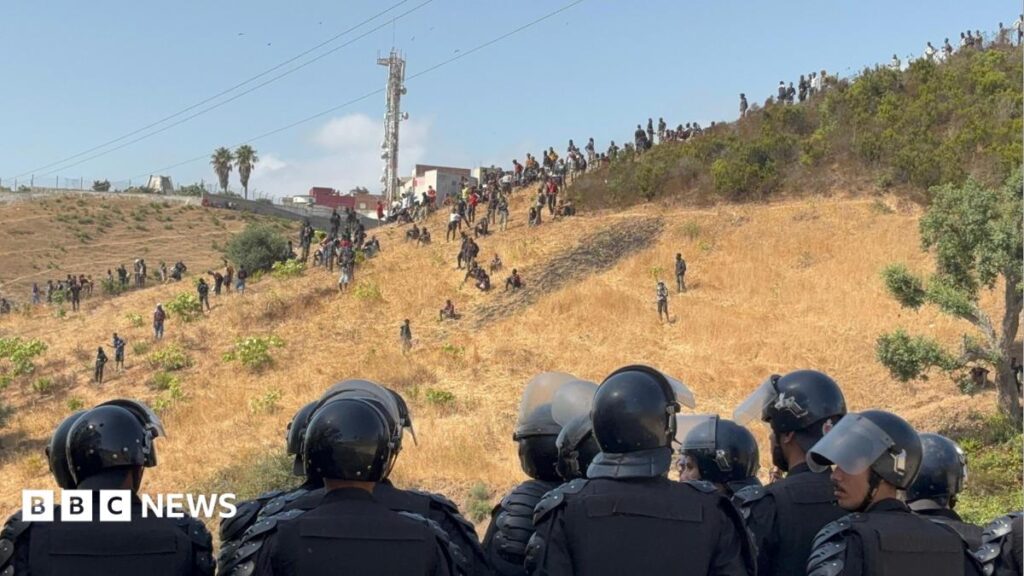
On 17 August 2026, Moroccan security forces detained more than 50 migrants near the Ceuta fence after rumors spread on social media that a second mass crossing was being organised for that Saturday. The rumors, posted on platforms such as TikTok and WhatsApp, claimed that a coordinated group would overwhelm the border defenses, echoing the large‑scale breach that occurred in May 2024.
Authorities said they had stepped up patrols after the online chatter, deploying additional police units and surveillance drones. The detained individuals, most of them young men from Niger, Mali and Senegal, were taken to a detention centre in Nador where they faced interrogation and the possibility of deportation back to their countries of origin.
Why the crackdown matters for migrants and Europe
The swift response underscores how quickly social‑media narratives can shape migration enforcement. When rumors of a mass crossing gain traction, governments often act pre‑emptively to avoid the political fallout of a visible breach, which can trigger harsh EU criticism and fuel anti‑immigrant sentiment.
For migrants, the heightened security translates into longer detention periods and fewer chances of reaching Europe legally. Human‑rights groups, such as Amnesty International, have warned that Morocco’s rapid arrests risk violating international standards on due process, especially when the alleged “threat” is based on unverified online posts.
African angle: ripple effects across the Sahel and diaspora
The majority of those detained hail from the Sahel, a region already grappling with climate stress, conflict and limited economic opportunity. A failed crossing at Ceuta pushes them back into a precarious situation where smuggling networks may demand higher fees, increasing the risk of exploitation and abuse.
The African diaspora in Spain and France has reacted strongly on Twitter, with hashtags like #CeutaJustice trending. Community organisations are calling on European governments to pressure Morocco for transparent legal procedures and to expand safe‑migration pathways, arguing that the current model merely shifts risk onto vulnerable African youths.
What’s next: policy, legal battles and future crossings
Legal experts say the detained migrants could challenge their detention in Moroccan courts, citing the 2011 Constitution’s guarantee of personal liberty. However, past cases have shown a low success rate when the state invokes “public security” as justification.
Looking ahead, Morocco is likely to tighten its border surveillance further, especially as the EU debates a new migration pact that could increase funding for frontier control. At the same time, NGOs warn that harsher deterrence may simply reroute migrants toward more dangerous sea routes, raising the prospect of more tragedies in the Strait of Gibraltar.
Quick Answers
Why did Morocco detain migrants at the Ceuta border in August 2026?
Moroccan forces acted after social‑media rumors of a second mass crossing, stepping up patrols and arresting over 50 people to prevent a breach of the fortified fence.
How does the Ceuta crackdown affect African migrants?
It reduces their chances of reaching Europe, lengthens detention, and can force them back into costly smuggling networks, especially for migrants from the Sahel.
What could happen to the detained migrants legally?
They may face deportation, but could also file lawsuits in Moroccan courts alleging unlawful detention, though success is historically limited.
Source: www.bbc.co.uk




💬 Comments 0