Nantucket shipwreck exposed by 2026 nor’easter reveals 19th‑century vessel, sparking archaeology and climate debate
Storm fury uncovers a forgotten hull
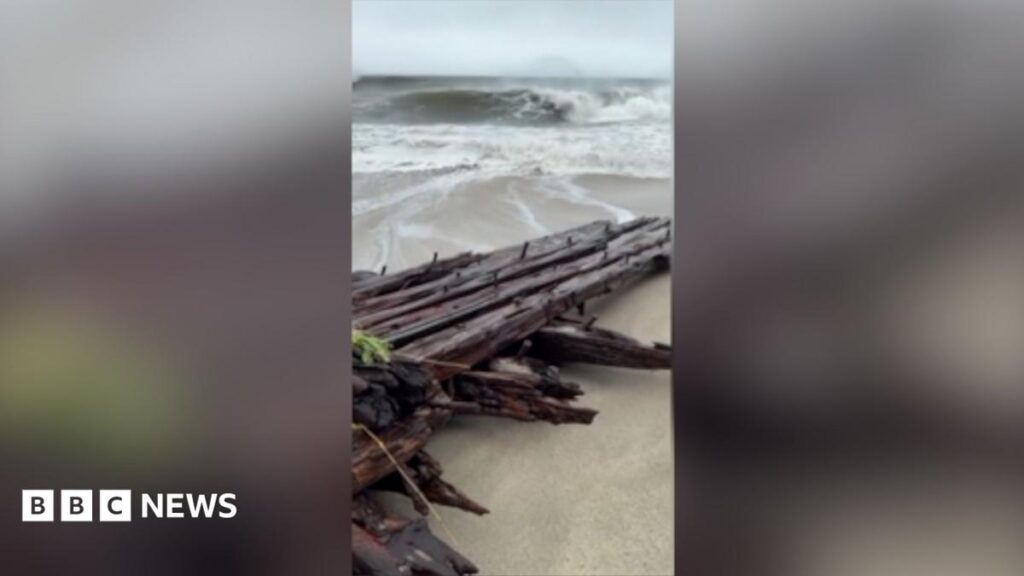
The massive nor'easter that battered New England on September 26, 2026 left more than battered roofs and flooded streets. As waves crashed against the dunes of Nantucket Island, a rust‑streaked wooden hull emerged from the sand, prompting local media to describe it as a possible 19th‑century shipwreck. Residents filmed the eerie sight, and the Nantucket Historical Association quickly dispatched a team to assess the find before the tide could reclaim it.
Experts say the storm’s unprecedented wind speeds—recorded at 85 mph in nearby Hyannis—dislodged centuries of sediment that had buried the wreck. The exposure is reminiscent of other heritage sites that have been revealed after extreme weather, underscoring how climate‑driven events are rewriting the archaeological map of coastal regions.
What we know about the vessel
Preliminary visual inspection suggests the ship’s dimensions and construction techniques align with American whaling vessels that plied the Atlantic in the 1800s. The hull’s curved planking, iron fastenings, and a partially exposed copper sheathing match the design of the famed Nantucket‑based whalers that once chased sperm whales in the Pacific and Indian Oceans.
While no nameplates have been recovered yet, maritime historians note that the wreck could be linked to the 1842 barque *Charles W. Morgan*—the last surviving wooden whaling ship, now a museum piece in Mystic, Connecticut. If confirmed, the find would represent a sister ship, offering a rare comparative look at shipbuilding standards before the transition to iron hulls in the late 19th century.
Why the discovery matters for history and archaeology
Beyond the romance of a sunken vessel, the wreck offers a tangible portal into a period when Nantucket was a global hub for the whaling industry. That industry supplied oil for lamps, lubricants for machinery, and even the early foundations of the global oil market. Understanding the ship’s construction could shed light on how American shipyards adapted to demand for longer voyages, a factor that helped the United States emerge as a maritime power.
The site also holds potential relevance for African‑American history. Nantucket was home to a sizable free Black community in the 19th century, many of whom worked on whaling ships as sailors, cooper‑makers, and even captains. Artifacts such as personal items, tools, or cargo could reveal the lived experiences of these workers, filling gaps left by scant written records.
Climate change and the fragile coastal heritage
Scientists have warned that rising sea levels and intensifying storms are eroding coastlines worldwide, threatening historic sites from the Roman ruins of Ostia to the ancient ports of Ghana. The Nantucket wreck is a vivid illustration of that warning: the same forces that exposed the hull could also accelerate its decay, especially if saltwater intrusion continues unchecked.
According to a 2025 report by the U.S. Climate Resilience Agency, nor'easters have increased in frequency by 27% over the past two decades, with storm surges reaching higher elevations. Coastal archaeologists now argue for a proactive “heritage‑in‑danger” registry, which would prioritize funding for rapid documentation and stabilization of sites revealed by extreme weather.
Economic and cultural ripples for New England and beyond
The wreck could become a magnet for heritage tourism, a sector that already contributes roughly $1.2 billion annually to Massachusetts’s economy. Guided tours, museum exhibits, and even virtual reality reconstructions could attract visitors from the African diaspora eager to explore the maritime links that once connected New England to Africa via the whaling trade routes that stopped at the Cape of Good Hope.
Local businesses are already preparing for a surge in interest. The Nantucket Whaling Museum announced plans to collaborate with the excavation team, while a group of Ghanaian artists based in Boston expressed interest in creating a joint exhibition that juxtaposes the ship’s story with African oceanic narratives, highlighting the shared maritime heritage that often goes unnoticed in mainstream histories.
What comes next: excavation, preservation, and policy
State archaeologists have filed an emergency permit to conduct a controlled excavation before the next high tide. The plan includes 3‑D scanning of the hull, careful removal of sand, and conservation of any organic material using low‑temperature freeze‑drying—a method that has proven effective for preserving wooden ship fragments in cold climates.
Beyond the fieldwork, policymakers are being urged to allocate federal heritage funds specifically for climate‑exposed sites. The National Park Service’s recent “Coastal Heritage Initiative” earmarks $15 million for projects like Nantucket’s, but advocates argue that the budget must be scaled up to match the accelerating pace of discoveries triggered by extreme weather.
Quick Answers
What type of ship was uncovered on Nantucket after the 2026 nor'easter?
Experts believe it is a 19th‑century wooden whaling vessel, likely similar to the barque *Charles W. Morgan* that operated out of Nantucket.
How could the Nantucket shipwreck affect African‑American history research?
If artifacts related to crew members are found, they could provide rare physical evidence of the roles free Black sailors played in the 1800s whaling industry.
Why are climate‑related storms a concern for coastal archaeological sites?
Increasing storm intensity can both expose buried sites and accelerate their deterioration, prompting urgent calls for rapid documentation and preservation.
Source: www.bbc.co.uk




💬 Comments 0