Nayib Bukele says bodies in Haiti aren’t Salvadoran hostages – 2026 Central America fallout
Background: Salvadoran migrants and the Haiti incident
In early October 2026, a group of Salvadoran migrants travelling northward through Central America vanished after being intercepted in Haiti, a country already grappling with political instability and gang violence. The missing Salvadorans were believed to be part of a larger wave of Central American migrants using irregular routes to reach the United States, a trend that has surged since the 2024 U.S. immigration policy changes.
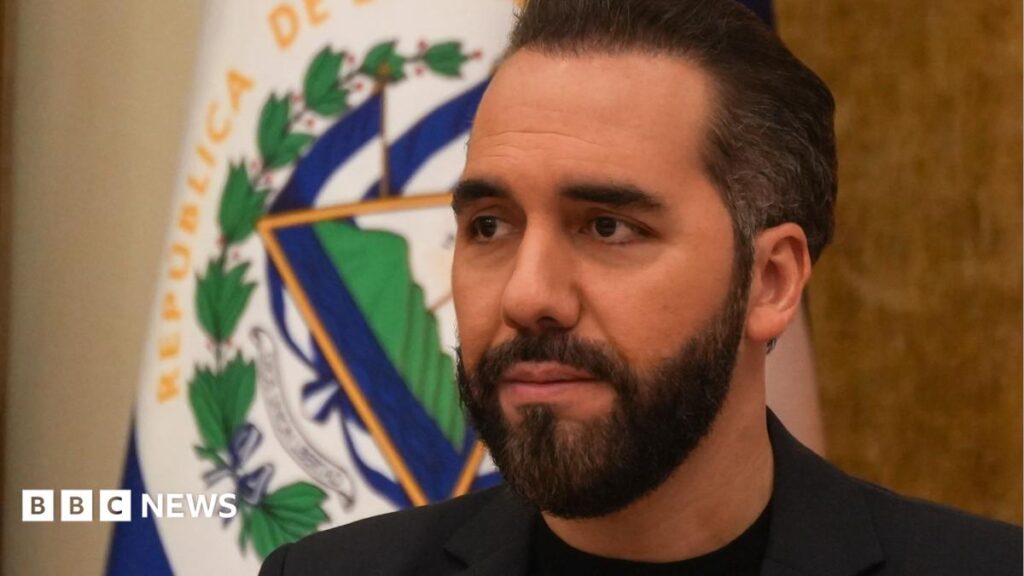
President Nayib Bukele, who has made the safety of Salvadoran citizens abroad a hallmark of his administration, publicly demanded answers from Haitian authorities. He announced that Salvadoran soldiers had received several bodies from Haitian forces, raising fears that the missing migrants could have been killed in the chaos.
What Bukele announced: Bodies are ‘not our men’
On October 24, Bukele addressed the nation, stating that forensic examinations showed the recovered bodies did not match the physical descriptions of the missing Salvadorans. He emphasized that the remains were “not our men,” urging Haitian officials to continue the search and to provide any intelligence that could locate the abductees.
The president’s statement was accompanied by a video of soldiers handling the bodies, a move intended to demonstrate transparency. However, critics argued that the footage could be used to deflect blame from the Salvadoran government for its limited capacity to protect citizens on distant, volatile routes.
Why the incident matters for Central America
The disappearance of Salvadoran migrants in Haiti underscores the growing complexity of migration corridors in the Caribbean basin. With traditional overland pathways through Guatemala and Mexico clogged by tighter border enforcement, traffickers are increasingly steering migrants through island nations where law‑enforcement is fragmented and corruption is endemic.
For the region’s governments, the episode is a stark reminder that migration policy cannot be addressed in isolation. Haiti’s internal crisis, the rise of armed groups, and the lack of reliable identification systems create a perfect storm for human‑rights abuses that ripple across borders, affecting not only migrants but also the diplomatic standing of sending countries like El Salvador.
Reactions from the diaspora and regional partners
Salvadoran communities in the United States and Canada quickly mobilised on social media, demanding a joint investigation by the Organization of American States (OAS) and the United Nations Office on Drugs and Crime (UNODC). Diaspora groups argued that the Salvadoran government’s focus on “national pride” should be matched by concrete assistance for families of the missing.
Meanwhile, neighboring governments—particularly Guatemala, Honduras, and Costa Rica—issued statements urging a coordinated regional response. The Central American Integration System (SICA) scheduled an emergency summit to discuss shared intelligence mechanisms, a move seen as an attempt to prevent similar tragedies in the future.
What comes next: Investigation, policy shifts, and the broader migration debate
The next steps will likely involve a forensic audit by international experts, as requested by Bukele, and a diplomatic push for Haiti to grant access to detention sites. If the bodies are confirmed to belong to non‑Salvadoran victims, the focus will shift to uncovering the fate of the missing migrants, possibly implicating criminal networks that thrive on the chaos of Haitian ports.
Politically, the incident may accelerate calls for a multilateral migration framework that includes Caribbean states. Analysts predict that the United States, still wrestling with its own immigration reforms, could use the Haiti episode as leverage to secure greater cooperation from Central American governments on border security, while also increasing humanitarian assistance to transit nations.
Quick Answers
Who were the bodies found in Haiti that President Bukele said were not Salvadoran hostages?
Forensic reports indicated the remains did not match the physical description of the missing Salvadoran migrants, suggesting they belonged to other victims of Haiti’s ongoing violence.
How does the Haiti incident affect migration routes for Central Americans?
The case highlights the growing use of Caribbean islands as alternative corridors, exposing migrants to higher risks of kidnapping and abuse in regions with weak law‑enforcement.
What actions is El Salvador taking to locate its missing citizens?
President Bukele has asked for an international forensic investigation and is pressing Haitian authorities to share any intelligence that could lead to the abducted migrants.
Source: www.bbc.co.uk


💬 Comments 0