Netanyahu says Qatar aid to Gaza was vetted by Israeli security agencies – implications for Middle East aid and African investors, 2026
Background: Qatar’s role in Gaza relief
Since the 2023 war in Gaza, Qatar has positioned itself as a key conduit for humanitarian assistance, routing billions of dollars through UN agencies and directly to Palestinian authorities. The Gulf state’s financial muscle has also attracted scrutiny, with Israel accusing Doha of using aid as a political lever. In early 2024, Qatar announced a $1.5 billion pledge for reconstruction, a move that was welcomed by the United Nations but met with suspicion by Israeli security officials who warned that funds could be diverted to militant groups.
The Israeli government, led by Prime Minister Benjamin Netanyahu, has historically maintained a tight grip on any external funding entering Gaza, arguing that unchecked money flows could strengthen Hamas. Over the past two years, Israeli security agencies have set up a coordination mechanism with Qatar, requiring pre‑approval of projects and detailed accounting of every dollar. This backdrop makes Netanyahu’s recent claim that he “facilitated” the money’s transfer especially noteworthy.
What Netanyahu said and why it matters
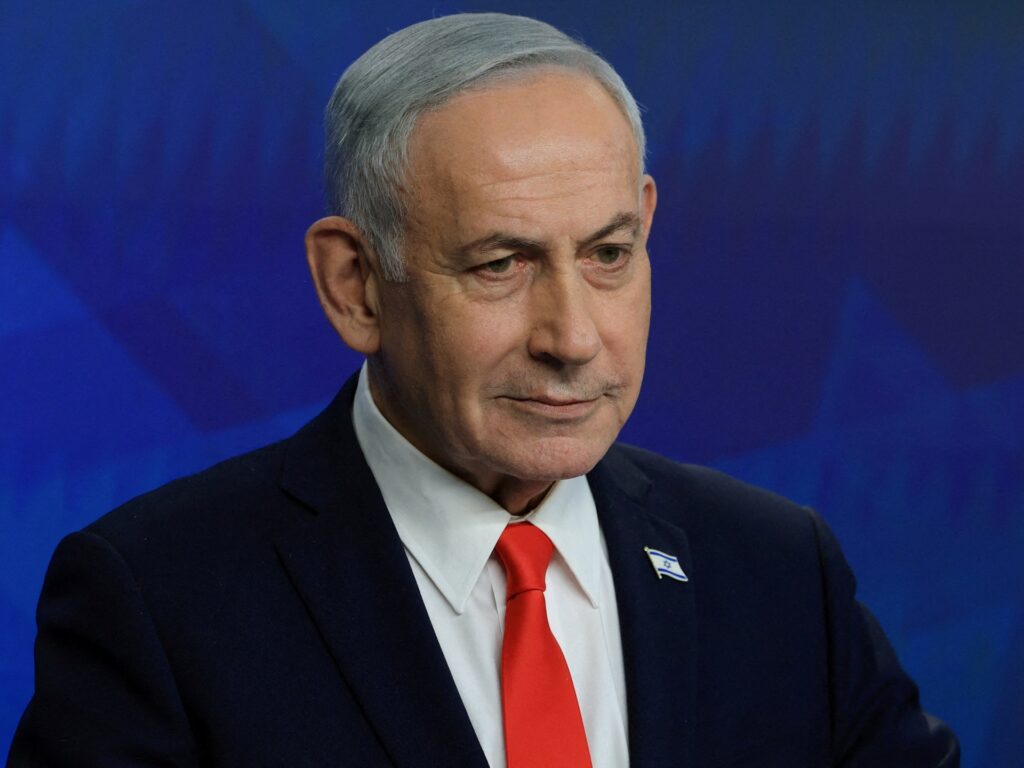
In a televised interview on September 5, 2026, Netanyahu boasted that the funds Qatar sent to Gaza were “recommended by Israeli security agencies” and that he personally “facilitated” the arrangement. He framed the statement as evidence that Israel can control humanitarian aid while still projecting a humanitarian image abroad. The prime minister’s remarks were accompanied by a display of a map showing the flow of money from Doha to Gaza, a rare public acknowledgment of the behind‑the‑scenes coordination.
The declaration matters for three reasons. First, it signals a shift from Israel’s usual denials of any involvement in Gaza’s aid logistics to an open admission of influence. Second, it gives Qatar a diplomatic win, allowing the Gulf state to claim its aid is transparent and sanctioned by Israel, potentially easing criticism from Western donors. Third, it raises questions about the future of aid monitoring mechanisms, especially those that rely on Israeli security vetting, which many humanitarian NGOs consider a breach of neutrality.
African connections: Qatar’s investments and the diaspora angle
Qatar’s economic footprint across Africa has expanded dramatically since 2015, with major projects in Kenya’s renewable‑energy sector, Tanzania’s port development, and Nigeria’s oil‑and‑gas partnerships. African investors and the diaspora have become indirect beneficiaries of Doha’s growing financial clout. Netanyahu’s endorsement of Qatar‑approved aid could therefore reverberate in African markets that depend on Qatari capital, as investors reassess the political risk of projects tied to a state now openly coordinating with Israel on sensitive security matters.
Moreover, the Palestinian diaspora in Africa—particularly in South Africa, Kenya, and Egypt—has long been a vocal supporter of Gaza relief. A perception that Qatar’s aid is being filtered through Israeli security could dampen grassroots fundraising efforts on the continent, as donors may fear their contributions could be co‑opted for political ends. NGOs such as the African Union’s Humanitarian Affairs Division have already called for “transparent, multilateral oversight” to ensure aid reaches civilians without being weaponised.
Broader pattern: Aid as a diplomatic bargaining chip
Netanyahu’s statement fits a larger trend where humanitarian assistance is increasingly weaponised in geopolitical negotiations. Over the past decade, the United States, European Union, and Gulf states have all used aid packages to extract concessions on security, trade, or diplomatic recognition. In the Middle East, Qatar’s mediation role in Sudan’s 2023 peace talks and its financing of Ethiopia’s Nile dam project illustrate how the emirate leverages aid to expand influence.
The Israeli‑Qatari coordination on Gaza aid mirrors the 2022 arrangement where the United Arab Emirates, after normalising ties with Israel, agreed to fund Israeli‑run water projects in the West Bank. Such deals blur the line between humanitarian relief and strategic partnership, prompting critics to warn that vulnerable populations become pawns in high‑level power games.
What’s next: Monitoring, politics and the African market response
Humanitarian organisations are now demanding an independent audit of the Qatar‑Gaza funds, with the UN Office for the Coordination of Humanitarian Affairs (OCHA) reportedly preparing a joint review with Israeli and Qatari officials. If the audit confirms strict Israeli oversight, it could set a precedent for future aid flows to conflict zones, potentially limiting the role of NGOs that prefer non‑state actors to manage distribution.
For African investors, the immediate impact may be a cautious pause on new Qatar‑backed projects until the political fallout settles. Analysts at the African Development Bank note that “any perception of a security‑linked aid channel could raise financing costs for Qatari‑sponsored ventures in Africa,” especially in sectors where public sentiment is sensitive to Middle‑East politics.
Politically, Netanyahu’s boast may embolden Israeli hardliners who argue that the country can dictate the terms of any external aid to Gaza, while moderates in the coalition risk alienating Arab‑Israeli citizens and the broader Muslim diaspora. The upcoming Knesset debate on the “Gaza Aid Transparency Bill” will likely become a litmus test for how far Israel is willing to embed itself in humanitarian logistics.
Quick Answers
Did Netanyahu personally arrange Qatar's aid to Gaza?
Netanyahu said he facilitated the transfer, but the money was approved by Israeli security agencies, according to his September 5 interview.
How could Qatar's aid to Gaza affect African investors?
Qatar’s extensive investments in Africa may face higher scrutiny and potential financing costs if its aid to Gaza is seen as politically tied to Israeli security oversight.
What are humanitarian groups demanding after Netanyahu’s claim?
UN agencies and NGOs are calling for an independent audit of the Qatar‑Gaza funds to ensure they reach civilians without political interference.
Source: www.aljazeera.com



💬 Comments 0