Netflix hires Peter Rice as Chief Content Officer 2026 – impact on African creators
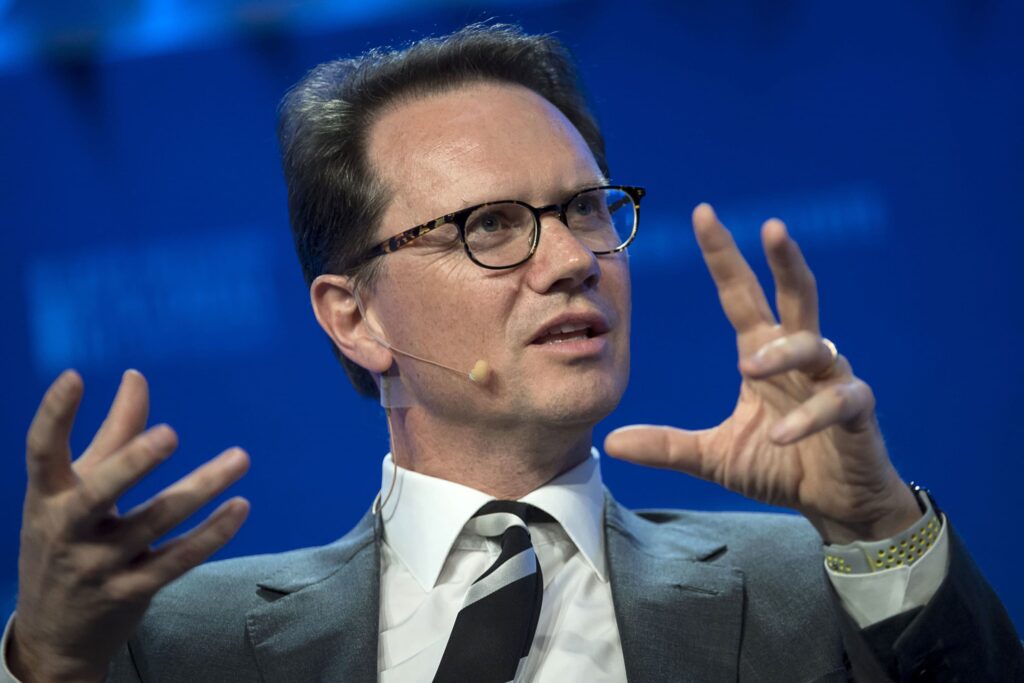
Background: Netflix reshuffles its content leadership
In early October 2026, Netflix announced a senior‑level change that will shape its programming for the next few years. The streaming giant said Peter Rice will take over as Chief Content Officer, a role that sits at the top of the company's global content strategy. The move follows a period of intense competition from rivals like Disney+, Amazon Prime Video, and a growing slate of regional streaming services across Africa and Asia.
Netflix has been wrestling with subscriber churn in mature markets while trying to accelerate growth in emerging regions. The company’s last major content‑leadership overhaul came in 2023, when it split its creative responsibilities between a global head of scripted series and a separate head of unscripted content. By consolidating those functions under a single executive, Netflix hopes to streamline decision‑making and better align its investments with shifting audience tastes.
The appointment also comes as Netflix prepares to launch its first major price increase in three years, a move that analysts say will require a stronger content pipeline to justify higher fees. With the streaming wars now entering a phase where original IP and local storytelling are decisive, the board’s decision to bring in a veteran with a broad portfolio signals a strategic pivot toward more diversified, globally resonant programming.
Who is Peter Rice? A career built on cross‑genre success
Peter Rice is best known for his tenure as President of Entertainment at NBCUniversal, where he oversaw blockbuster franchises such as "The Office" reboot, "The Good Place" and the sports‑driven "Sunday Night Football" package. Before that, he spent a decade at Fox, helping to launch hit series like "The Simpsons" spin‑off "Family Guy" and the reality juggernaut "American Idol".
His résumé also includes a stint as head of theatrical distribution for Paramount Pictures, giving him a rare perspective on how movies transition from the big screen to streaming platforms. In 2021, Rice led the launch of a premium unscripted unit at NBC that produced award‑winning docuseries and reality formats, a skill set that aligns with Netflix’s recent push into high‑budget nonfiction content.
Industry observers note that Rice’s blend of scripted, unscripted, live sports, and theatrical experience is unusual for a streaming executive. "He’s the kind of leader who can speak the language of both Hollywood studios and TV networks," said a senior analyst at Bloomberg, "which is exactly what Netflix needs as it balances global scale with local relevance."
Why the appointment matters for Netflix’s global strategy
Netflix’s content budget is projected to exceed $18 billion for 2027, and the company is under pressure to allocate that money efficiently across 190+ markets. Rice’s track record of green‑lighting projects that deliver both critical acclaim and mass appeal could help Netflix avoid the pitfalls of over‑investing in niche experiments that fail to attract broad audiences.
One of the most immediate challenges is the growing demand for localized storytelling. In 2025, Netflix reported that over 30 percent of its new subscriber growth came from Africa, Latin America, and Southeast Asia. Rice’s experience with live sports rights, especially his work on international football broadcasts, may enable Netflix to secure more regional sports deals that drive subscription loyalty in those markets.
At the same time, Netflix is looking to tighten its content pipeline after a series of high‑profile flops in 2024, such as the under‑performing sci‑fi anthology "Future Worlds". By centralising creative authority, the company hopes to reduce duplication of effort across its many regional content hubs and to create a more coherent brand narrative that resonates worldwide.
African relevance: New doors for Nigerian and continental creators
Nigeria’s film industry, popularly known as Nollywood, has become the world’s second‑largest producer of feature films by volume. Yet, only a fraction of those titles have landed on Netflix’s global homepage. With Rice’s background in theatrical distribution, insiders suggest he may push for a more aggressive acquisition strategy for high‑budget African cinema that can compete on the international stage.
In a recent interview with Variety, a senior Netflix executive hinted that the company will double its investment in African original series by 2028, targeting genres beyond the current focus on romance and comedy. "We want to see more African sci‑fi, thriller and sports drama that can travel," the executive said, pointing to the success of South African series like "Blood & Water" as a proof point.
For diaspora creators, the appointment could translate into better access to U.S. production resources. Rice’s network includes major studio partners who can co‑finance projects with Netflix, offering African writers and directors a pathway to higher production values and wider distribution. Moreover, his experience with live‑sports rights may open the door for streaming rights to continental competitions such as the CAF Champions League, a move that would attract football‑obsessed viewers across the continent and the diaspora.
Industry reaction and the road ahead
The response from the entertainment press has been largely positive, with many noting that Netflix finally appointed a leader who truly understands the intersection of global franchise building and local storytelling. However, some critics caution that a single executive cannot solve the structural issues that have plagued the platform’s content discovery algorithm, which often sidelines non‑English titles.
Competing streaming services are already positioning themselves to capitalize on any perceived missteps. Disney+ announced a partnership with African broadcaster MultiChoice to co‑produce a pan‑African fantasy series, while Amazon Prime is deepening its investment in Kenyan drama. These moves suggest that Netflix will face stiffer competition for African talent and audiences in the coming years.
Looking forward, Rice is expected to present a three‑year content roadmap at Netflix’s investor day in early 2027. Analysts predict that the plan will feature a mix of high‑budget global tentpoles, a stronger slate of African originals, and a suite of live‑sports rights aimed at retaining subscribers in price‑sensitive markets. Whether the strategy will deliver the subscriber growth the company needs remains to be seen, but the appointment signals a clear intent to blend Hollywood‑scale ambition with regional authenticity.
Quick Answers
Who is Peter Rice and what role will he take at Netflix?
Peter Rice is a veteran media executive who has led content divisions at NBCUniversal and Fox; he will become Netflix’s Chief Content Officer in 2026.
How could Peter Rice’s hiring affect African creators?
Rice’s experience with theatrical distribution and sports rights may lead Netflix to acquire more high‑budget African films, expand original series beyond romance/comedy, and pursue streaming deals for African sports leagues.
What does Netflix hope to achieve with this leadership change?
Netflix aims to streamline decision‑making, boost global‑scale hits, and strengthen its localized content pipeline to sustain subscriber growth, especially in emerging markets like Africa.
Source: www.cnbc.com




💬 Comments 0