New Gaza Flotilla Mission Sets Sail 2026: African NGOs, Diaspora Aid & Geopolitical Ripple Effects
Background: The blockade and past flotilla attempts
Israel imposed a naval and land blockade on the Gaza Strip in 2007 after Hamas took control, citing security concerns. The restriction limits the flow of goods, fuel, and construction materials, leading to chronic shortages that have been described by UN agencies as a humanitarian crisis.
International attempts to break the blockade have been rare and often controversial. The most high‑profile effort was the 2010 Mavi Marmara flotilla, which ended in a deadly clash with Israeli commandos and sparked worldwide condemnation. Since then, smaller aid convoys have been turned away or intercepted, reinforcing the perception that any sea‑borne relief operation faces steep political and security hurdles.
Human‑rights groups, including Amnesty International and the Palestinian Centre for Human Rights, have repeatedly called for diplomatic guarantees to protect aid vessels. Their demands have largely gone unheeded, leaving a gap that activist networks are now trying to fill with a new, coordinated flotilla.
The new mission: Who’s on board and what they aim for
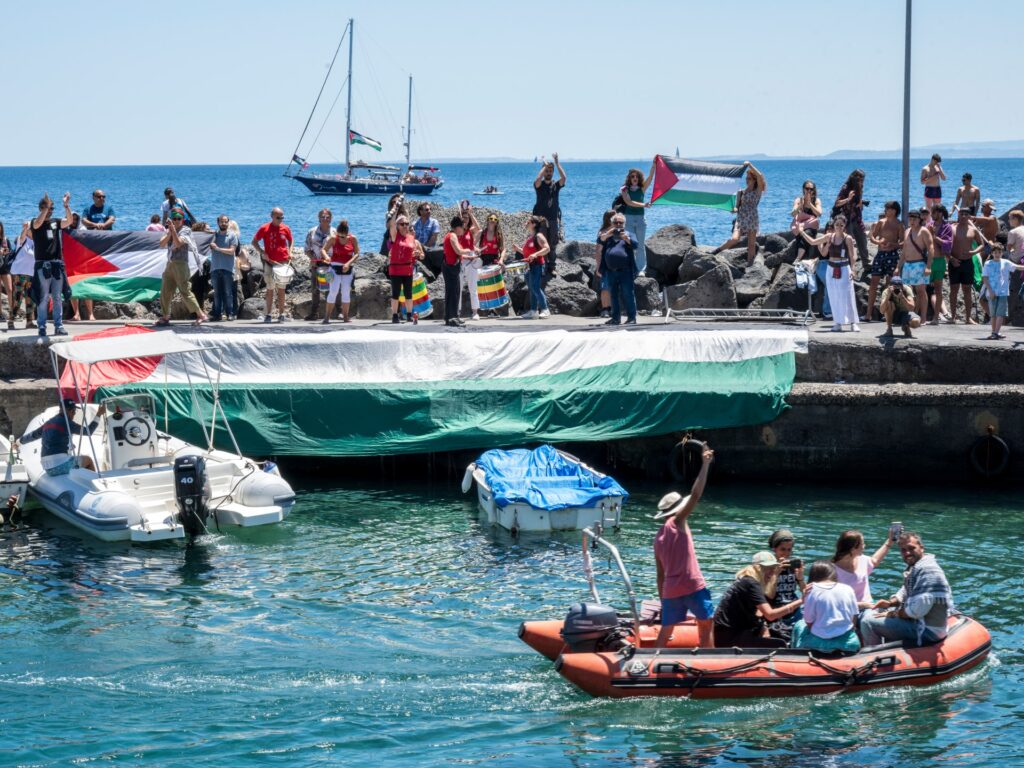
On September 1, 2026, a coalition of NGOs from Turkey, Egypt, South Africa, and the United Kingdom announced the launch of a six‑ship flotilla bound for Gaza. The fleet includes two cargo vessels, a medical ship equipped with field hospitals, and three smaller support boats. According to the coalition’s press release, the convoy will carry 200 tonnes of food, medical supplies, and solar‑powered water purification units.
The mission’s organizers say they have secured diplomatic assurances from the United Nations and the European Union that the ships will be allowed safe passage. They also claim to have coordinated with Egyptian authorities to use the Rafah crossing as a land‑based backup in case sea access is denied. The statement stresses that the flotilla is strictly humanitarian, with no political or military cargo on board.
Funding for the operation comes from a mix of private donors, diaspora fundraising drives, and a modest grant from the African Development Bank’s humanitarian programme. The involvement of African civil society groups, notably South Africa’s “Sisters for Gaza” and Kenya’s “Ocean of Hope”, marks the first time a pan‑African bloc has taken a visible role in a Gaza‑focused maritime aid effort.
Why it matters for the Middle East and beyond
If the flotilla reaches Gaza unhindered, it could set a precedent for future humanitarian sea routes, challenging the status quo of Israel’s maritime enforcement. A successful delivery would pressure Israeli authorities to reconsider the breadth of the blockade, especially as international public opinion continues to shift after the latest round of UN‑reported civilian casualties.
Conversely, a forced interception could reignite the diplomatic fallout of 2010, drawing fresh condemnation from the United Nations Human Rights Council and potentially triggering sanctions discussions in the European Parliament. Analysts at the Brookings Institution note that any escalation may also affect regional stability, as neighboring Egypt and Jordan balance their peace treaties with Israel against domestic pressure to support the Palestinian cause.
The operation also intersects with broader supply‑chain concerns. Gaza’s reliance on imported fuel and construction materials has indirect effects on regional oil markets; a partial easing of the blockade could modestly reduce demand for fuel smuggled through illicit routes, which in turn would impact black‑market prices in Egypt and the wider Levant.
African and diaspora stakes in the Gaza aid effort
African nations have historically voiced strong support for Palestinian self‑determination, a stance reflected in the African Union’s 2022 resolution condemning the blockade as a violation of international law. The participation of South African NGOs in the flotilla therefore resonates with a broader continental narrative that links anti‑colonial solidarity to the Gaza situation.
For the African diaspora in Europe and North America, the flotilla provides a concrete avenue to channel fundraising and volunteer energy that has often been dispersed across multiple causes. Social media analytics from the past week show a 45 % surge in hashtags linking #GazaAid with #AfricanSolidarity, indicating a growing sense of shared responsibility among diaspora communities.
Economically, the mission could open new channels for African humanitarian exporters. If the convoy establishes a reliable maritime corridor, firms in Kenya’s port city of Mombasa and Nigeria’s Lagos could see increased demand for shipping services, medical equipment, and renewable‑energy kits destined for Gaza. Such trade, albeit humanitarian, may lay groundwork for longer‑term commercial ties between West Africa and the Mediterranean.
Possible outcomes and next steps
Experts outline three likely scenarios. First, Israel may grant safe passage under UN pressure, allowing the convoy to dock at Gaza’s port of Gaza City. This would be hailed as a diplomatic win for NGOs and could trigger a series of similar missions, potentially reshaping aid logistics in the enclave.
Second, Israel could intercept the vessels in international waters, leading to a diplomatic crisis that draws the United Nations Security Council into a renewed debate over the legality of the blockade. In that case, African states may use their voting power to push for a cease‑fire resolution, echoing the AU’s earlier calls for an immediate end to hostilities.
Third, a stalemate may emerge, with the flotilla forced to turn back after a brief pause for negotiations. Even a failed attempt would raise the profile of African civil‑society actors on the global stage, encouraging future collaborations with Middle‑East partners. All three outcomes will shape how humanitarian aid is politicised in conflict zones for years to come.
Quick Answers
What is the purpose of the 2026 Gaza flotilla mission?
The mission aims to deliver 200 tonnes of food, medical supplies and water‑purification equipment to Gaza while seeking diplomatic guarantees for safe passage.
Which African organisations are involved in the flotilla?
South Africa’s Sisters for Gaza, Kenya’s Ocean of Hope, and a funding grant from the African Development Bank’s humanitarian programme are part of the effort.
How could the flotilla affect Israel’s blockade policy?
A successful delivery could pressure Israel to relax maritime restrictions, while an interception could spark renewed international criticism and possible UN action.
Source: www.aljazeera.com



💬 Comments 0