New Zealand cult leader jailed for 2024 death of Chinese follower Shulai Wang
Background: the sect and its leader
The group at the centre of the case is a small, privately‑run religious community that has operated in Auckland’s suburbs for roughly a decade. It blends New Age spirituality with strict hierarchical control, and its founder—known only by the title "Master" in internal documents—has long attracted followers from immigrant backgrounds, particularly from East Asia. The leader’s real name has been kept largely out of the public eye, a tactic common among fringe groups that wish to avoid scrutiny.
The sect’s recruitment model relied heavily on personal networks, offering newcomers a sense of belonging and material assistance in exchange for unquestioning loyalty. Many members were recent arrivals to New Zealand, seeking stability after moving from China, Taiwan, or Hong Kong. This dynamic created a closed environment where dissent was discouraged and the leader’s authority went largely unchecked by external authorities.
In 2022, the community’s internal hierarchy was exposed after a former member posted a series of messages on a diaspora forum, describing intense psychological pressure and financial exploitation. Those early warnings were largely dismissed by law‑enforcement agencies as internal disputes, a pattern that would later prove costly when the body of Shulai Wang was discovered near Auckland’s Viaduct Harbour in early 2024.
The investigation and court verdict
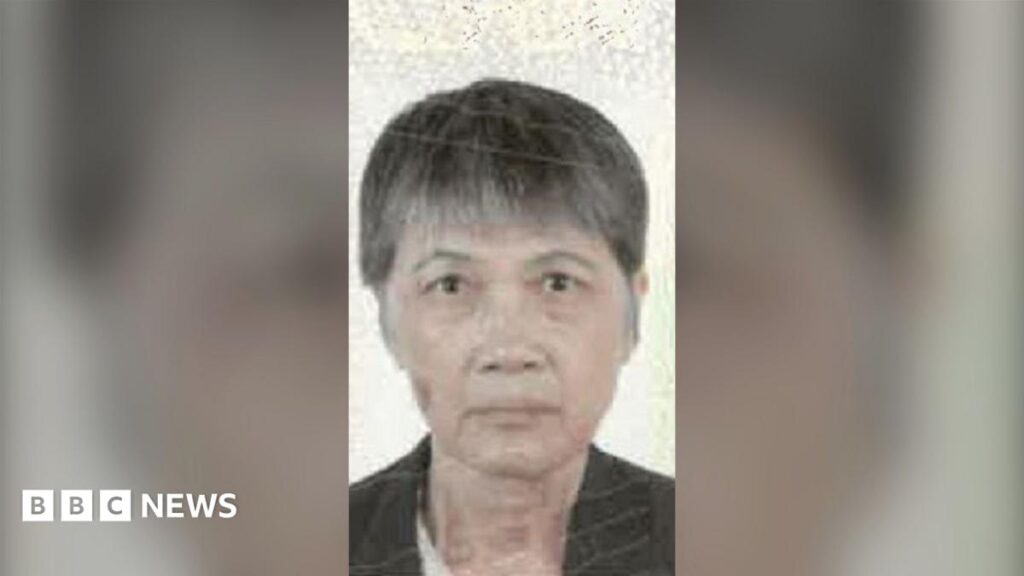
Police were alerted after a passerby found the 70‑year‑old Shulai Wang’s body partially submerged in the water near the marina. Forensic analysis indicated he had been restrained before being drowned, contradicting the sect’s claim that he had died of natural causes. A subsequent raid on the sect’s premises uncovered a cache of handwritten notes outlining punitive measures for members who questioned the leader’s decisions.
The Crown Prosecutor charged the leader with manslaughter and aggravated assault, arguing that the death resulted from a deliberate act of control rather than an accident. During the trial, former followers testified that the leader regularly used isolation and intimidation to enforce obedience, and that Wang had been singled out for refusing to surrender a sum of money he had saved for his family back in China. The judge, citing the pattern of abuse, handed down a twelve‑year prison sentence, the maximum for the charge.
The verdict was welcomed by victim‑rights groups, who had long called for stronger legal tools to tackle coercive cult behaviour. However, some legal scholars cautioned that the case sets a complex precedent: while it affirms that leaders can be held criminally liable for the deaths of followers, it also raises questions about how to define and prove “coercive control” in a religious context.
Implications for New Zealand’s multicultural fabric
New Zealand’s reputation as a welcoming multicultural society has been tested by the case, especially among its growing Chinese diaspora. Community organisations fear that the incident could fuel stereotypes that link immigrant communities with secretive, dangerous groups, potentially stoking xenophobic sentiment. At the same time, the episode underscores the vulnerability of newcomers who may lack robust support networks and are therefore more susceptible to manipulative organisations promising spiritual guidance and financial aid.
The government’s response has been swift: the Ministry of Justice announced a review of existing legislation on religious freedom versus public safety, while the Immigration New Zealand agency pledged to work more closely with diaspora groups to provide better outreach and counseling services. These steps aim to balance the protection of genuine religious practice with the need to intervene when a group crosses into criminal conduct.
For African migrants in New Zealand, the case serves as a cautionary tale about the importance of community vigilance. African diaspora organisations have already begun hosting informational workshops on recognising coercive cult tactics, drawing parallels with similar challenges faced by some churches and traditional societies back home where charismatic leaders can wield unchecked power.
A global pattern: cult‑related deaths and African parallels
The Auckland case fits into a wider global trend where fringe religious movements have faced criminal charges after the deaths of members. Recent high‑profile incidents in the United States, the United Kingdom, and Brazil have all highlighted how charismatic leaders can exploit legal loopholes to evade early intervention. In Africa, similar dynamics have emerged, notably with the so‑called “Spirit of God” sect in Nigeria, which was investigated after several members died under suspicious circumstances in 2023.
These parallel cases reveal a common thread: immigrant or marginalised communities often turn to tightly knit spiritual groups for identity and support, making them prime targets for exploitation. Researchers point out that the lack of culturally sensitive mental‑health resources and limited awareness of legal recourse exacerbate the problem, whether in Auckland’s Chinese enclaves or Lagos’s peri‑urban shantytowns.
International NGOs are now calling for a coordinated approach that includes cross‑border information sharing, community‑led monitoring, and clearer definitions of coercive control in criminal codes. Such measures could help prevent tragedies like Wang’s death and provide a framework for African governments to address similar threats without infringing on legitimate religious expression.
Looking ahead: legal reforms and community safeguards
In the wake of the verdict, New Zealand’s Parliament is expected to debate amendments to the Crimes Act that would explicitly criminalise the use of spiritual authority to inflict physical harm. Proposals include a statutory definition of “cult‑related coercive control” and mandatory reporting obligations for social workers who encounter suspicious group dynamics. If passed, these reforms could serve as a model for other Commonwealth nations grappling with similar issues.
Community organisations are also stepping up. The Chinese New Zealand Association has launched a helpline for current or former sect members, offering legal advice and counselling in Mandarin and Cantonese. Meanwhile, African diaspora groups are partnering with the Ministry of Social Development to create culturally tailored outreach programmes that address the unique vulnerabilities of recent migrants.
Ultimately, the case underscores the need for a balanced policy that protects vulnerable individuals while respecting freedom of belief. As New Zealand continues to attract immigrants from across the globe, the ability to detect and intervene in dangerous group practices will be a litmus test for its commitment to inclusive safety and the rule of law.
Quick Answers
What was the sentence given to the New Zealand cult leader for Shulai Wang’s death?
The leader received a twelve‑year prison sentence, the maximum term for manslaughter under New Zealand law.
How does this case affect New Zealand’s Chinese diaspora?
It raises concerns about the safety of recent immigrants who may be targeted by manipulative groups and prompts community organisations to offer more support and awareness.
Are there similar cult‑related legal actions in Africa?
Yes, recent investigations into groups like Nigeria’s “Spirit of God” sect show comparable challenges, prompting calls for clearer laws against coercive religious control across the continent.
Source: www.bbc.co.uk




💬 Comments 0