Nicaragua announces 2026 withdrawal from Central American Parliament, Ortega cites sovereignty amid rights crackdown
Background: What PARLACEN is and why Nicaragua mattered
The Central American Parliament, known by its Spanish acronym PARLACEN, was created in 1991 as a supranational forum for the six member states of the Central American Integration System. Its remit includes debating regional legislation, promoting democratic norms, and fostering economic cooperation across the Isthmus. While its powers are limited compared to national legislatures, PARLACEN serves as a symbolic barometer of political alignment in the region.
Nicaragua joined the body at its inception, sending a delegation that participated in debates on migration, security, and trade. Over the years, the Nicaraguan delegation grew in size, reflecting President Daniel Ortega’s desire to project a regional leadership role even as his government faced mounting criticism for suppressing dissent. The country’s presence also gave it a platform to counter accusations of human‑rights abuses by framing them as external interference.
Since the 2018 protests and the 2021 election that cemented Ortega’s grip on power, Nicaragua has been increasingly isolated. The United States, the European Union and several Latin American governments imposed sanctions, and the Organization of American States suspended the country in 2022. Within this context, the decision to quit PARLACEN marks a new escalation in the regime’s strategy of disengagement from multilateral scrutiny.
The withdrawal decision: Official rationale and timing
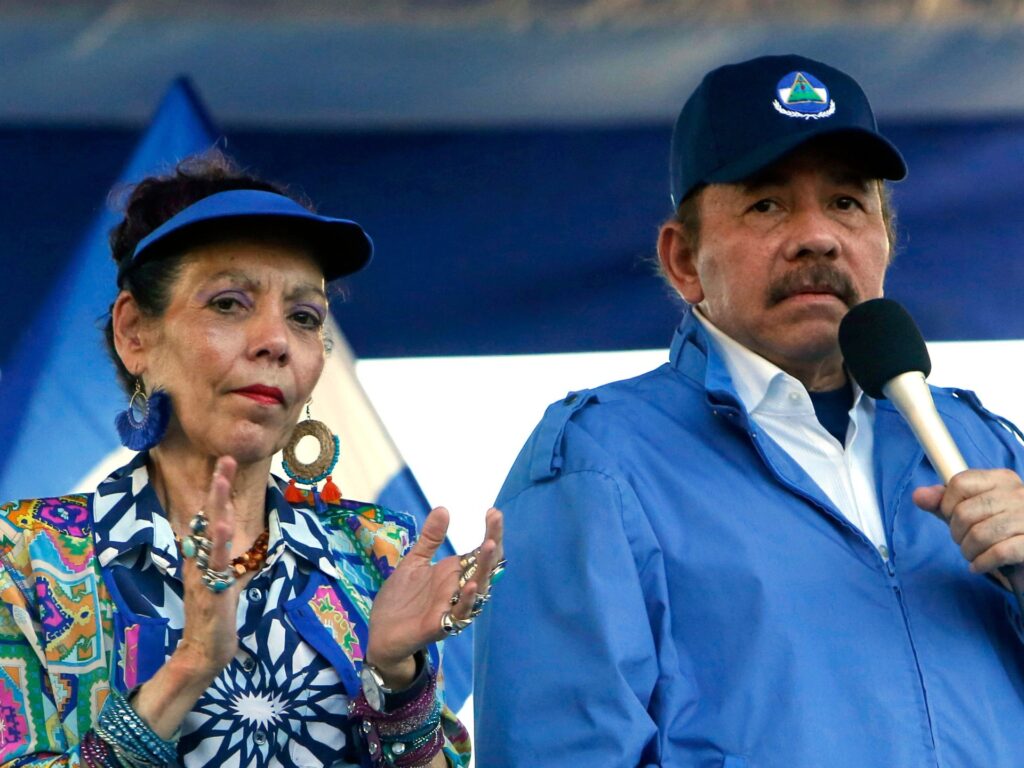
On 3 October 2026, Nicaragua’s Ministry of Foreign Affairs issued a statement announcing that the country would formally withdraw from PARLACEN by the end of the year. The communiqué framed the move as a defense of national sovereignty, arguing that “external bodies have repeatedly attempted to dictate internal political affairs under the pretext of democracy.”
Ortega’s administration added that the decision follows a “series of unfounded accusations” from member states and that the Nicaraguan delegation will no longer attend the upcoming plenary session scheduled for November. No specific legal mechanism for the withdrawal was detailed, but past precedents within PARLACEN allow a member to notify the General Secretariat and cease participation after a 30‑day notice period.
Analysts note that the timing coincides with renewed sanctions from the United States targeting Nicaragua’s oil and mining sectors. By exiting PARLACEN, the government may be seeking to reduce the diplomatic cost of defending its policies in a forum where it faces consistent criticism, while simultaneously signaling to its supporters that it will not bow to pressure.
Regional and international implications
Nicaragua’s exit weakens PARLACEN’s claim to represent a unified Central American voice. With only five active members remaining, the body’s ability to convene on issues such as migration flows to the United States or regional security cooperation could be hampered. The loss also reduces the diversity of political perspectives, potentially tilting discussions toward more market‑friendly governments like Costa Rica and Panama.
For the United States and the European Union, the withdrawal removes a diplomatic channel that, however limited, allowed for back‑channel engagement on human‑rights concerns. Both blocs have been urging Nicaragua to re‑enter the Organization of American States and to hold free elections. The move may push them to intensify sanctions or to explore alternative regional partners, such as Mexico’s recent push for a broader North‑South dialogue.
Nicaragua’s diaspora in the United States, estimated at over 300 000 people, has already been vocal about the regime’s repression. Community organizations fear that the withdrawal could further marginalise their advocacy efforts, as PARLACEN often hosted diaspora‑focused cultural events that provided a rare public stage for dissenting voices.
A broader pattern: Authoritarian retreats from multilateral bodies
Ortega’s decision mirrors a growing trend among governments that view regional institutions as venues for external meddling. Venezuela, for instance, withdrew from the Inter‑American Development Bank in 2024, while Sudan’s junta announced a temporary suspension from the African Union in 2025 after a coup. These moves share a common narrative: framing multilateral criticism as infringement on sovereignty.
In Africa, similar dynamics have sparked debate about the relevance of the African Union’s political mechanisms. Critics argue that when member states like Ethiopia or Burundi face internal crackdowns, the AU’s ability to enforce democratic norms is limited, prompting some governments to downplay their participation. The parallel illustrates how weakening of regional bodies can erode collective bargaining power on issues ranging from climate finance to trade agreements.
For African investors and NGOs that have cultivated South‑South partnerships with Nicaragua—particularly in renewable energy and agribusiness—the withdrawal raises questions about the stability of those collaborations. While direct trade between Nicaragua and Africa remains modest, projects funded by the China‑Africa Development Fund have occasionally involved Nicaraguan partners, and a loss of diplomatic engagement could stall future joint ventures.
What’s next: Prospects for Nicaragua and the region
In the short term, Nicaragua is likely to continue operating outside most regional forums, relying on bilateral ties with allies such as Russia, Iran and Cuba. The government has hinted at strengthening ties with the Caribbean Community (CARICOM) as an alternative platform for diplomatic outreach, though no formal invitation has yet materialised.
For the remaining PARLACEN members, the challenge will be to maintain relevance without Nicaragua’s voting bloc. Some officials have proposed reforms to grant greater authority to the Secretariat and to introduce a “human‑rights monitoring commission” that could operate independently of member states’ political pressures. Whether such reforms will be adopted remains uncertain.
The broader Central American landscape may see a realignment of alliances. Countries like Honduras and El Salvador, which have also faced criticism for democratic backsliding, could either follow Nicaragua’s lead or seek to re‑engage with PARLACEN to avoid further isolation. Observers warn that a fragmented regional bloc could make the area more vulnerable to external influence, especially from the United States and China, each vying for strategic footholds in the Isthmus.
Quick Answers
When will Nicaragua officially leave the Central American Parliament?
Nicaragua announced on 3 October 2026 that it will withdraw by the end of 2026, after a 30‑day notice period required by PARLACEN’s rules.
Why did President Ortega decide to pull Nicaragua out of PARLACEN?
The government says the move protects national sovereignty from what it calls “unfounded external interference” and follows repeated criticism of its human‑rights record.
How might Nicaragua’s exit affect Central American cooperation on migration?
With one fewer member, PARLACEN’s ability to coordinate regional migration policies could be weakened, potentially complicating joint efforts with the United States.
Source: www.aljazeera.com


💬 Comments 0