Nickolay Mladenov warns Gaza ceasefire collapse could be ‘point of no return’ – impact on Middle East stability and African diaspora, 2026
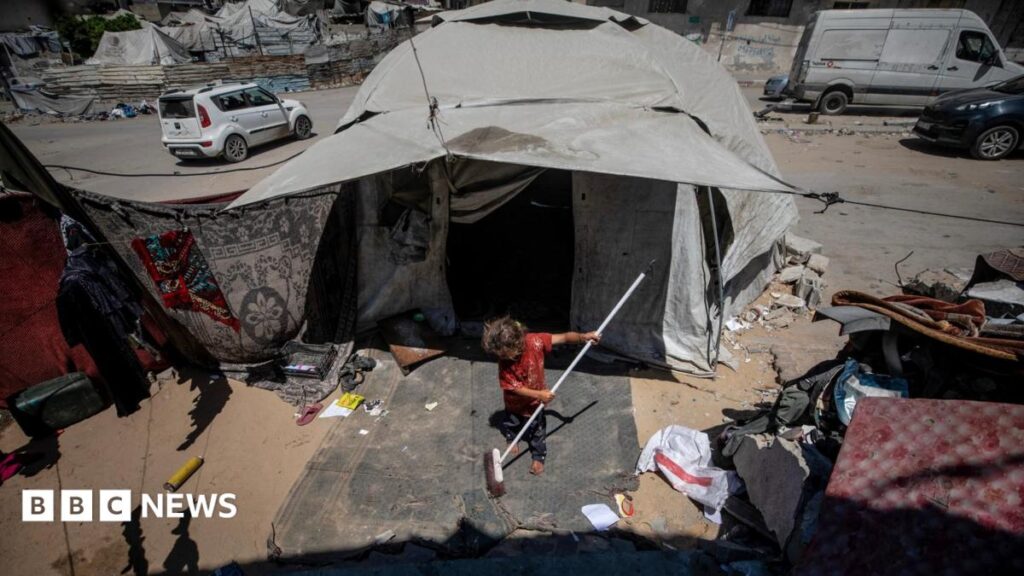
Background: The October ceasefire and its fragility
In early October 2023, a fragile ceasefire was brokered between Israel and Hamas after months of intense fighting that devastated Gaza’s infrastructure and caused a humanitarian catastrophe. The agreement, mediated by Qatar, Egypt and the United Nations, was never meant to be a permanent peace deal but a temporary pause to allow aid deliveries and to create space for diplomatic negotiations.
Since then, both sides have accused each other of violating the truce. Israel has continued limited airstrikes targeting what it calls “underground tunnels” and weapons depots, while Hamas has fired rockets sporadically, claiming retaliation for Israeli incursions. The ceasefire has survived mainly because of a delicate balance of deterrence and international pressure, but analysts have warned that any major breach could reignite a full‑scale war.
What Mladenov said and why his warning matters
Nickolay Mladenov, the Board of Peace’s senior envoy for Gaza, told a press briefing on August 26 that a collapse of the October ceasefire would be “a point of no return” for the region. He stressed that the longer the lull lasts, the higher the stakes for both parties, because each side has built up military capabilities and political expectations during the pause.
Mladenov’s warning carries weight because he has previously served as Bulgaria’s foreign minister and as the UN’s special envoy for the Balkans, giving him credibility in diplomatic circles. His assessment signals to policymakers in Washington, Brussels and Addis Ababa that the window for a negotiated settlement is rapidly narrowing, and that any escalation could spill over into neighboring countries.
Why the ceasefire’s collapse would matter for Africa and the diaspora
A renewed Gaza‑Israel war would have immediate repercussions for African nationals living in Israel and the occupied territories. According to the Israeli Ministry of Foreign Affairs, more than 150,000 African migrants – many from Eritrea, Sudan and Ethiopia – work in construction, agriculture and low‑skill service jobs across Israel. An escalation would jeopardise their safety, limit their ability to travel, and could trigger a wave of undocumented departures back to Africa.
African NGOs, such as the Ethiopian Red Cross and the Sudanese humanitarian network, have been key players in delivering aid to Gaza’s most vulnerable populations. A breakdown of the ceasefire would strain these operations, forcing organisations to divert resources from other crises in the Horn of Africa and the Sahel. Moreover, many African countries sit on the UN Security Council’s advisory committee; a broader conflict could force them to take a more vocal stance, reshaping diplomatic alignments that have historically favoured Western positions.
Economic ripple effects: oil, remittances and regional markets
Escalating violence in the Middle East typically sends oil prices higher, and the 2026 scenario is no exception. Analysts at the African Development Bank note that a 5‑percent spike in Brent crude would raise fuel costs across the continent, squeezing already fragile budgets in Nigeria, Kenya and Ghana. Higher transport costs translate into more expensive food imports, feeding inflationary pressures that have plagued many African economies since the pandemic.
Remittances from the diaspora in Israel and the Gulf states also form a small but vital income stream for families in Ethiopia, Sudan and Somalia. A security crackdown that restricts movement or triggers mass arrests could cut these cash flows, worsening poverty levels in already vulnerable communities.
Reactions across the continent and the diaspora community
In Nairobi, the Kenyan Ministry of Foreign Affairs issued a statement urging “immediate de‑escalation” and called for “a renewed commitment to humanitarian corridors.” The statement echoed similar pleas from the South African Department of International Relations, which highlighted the risk of the conflict diverting attention from the African Union’s peace‑building agenda in the Sahel.
Among diaspora activists, social media campaigns have intensified. A hashtag #GazaForAll, trending among Nigerian and Ghanaian users, links the plight of Palestinians with the broader fight against oppression in Africa. Community leaders in London’s Somali and Eritrean neighborhoods have organised vigils, arguing that the conflict underscores the need for a unified African foreign policy that balances moral solidarity with pragmatic security concerns.
What comes next: diplomatic pathways and contingency plans
If the ceasefire crumbles, the most likely diplomatic route will involve a renewed push by Egypt and Qatar, backed by the United Nations, to broker a temporary humanitarian pause. African states could leverage their positions in the African Union to push for a joint African‑Middle Eastern mediation team, a concept floated by Ethiopia’s foreign minister earlier this year.
Humanitarian organisations are already drafting contingency plans. The World Food Programme, in partnership with African NGOs, is pre‑positioning food stocks in Jordan and Egypt to ensure rapid deployment if border crossings close. Meanwhile, African governments are preparing to issue emergency travel advisories for their citizens in Israel and to provide consular assistance for those caught in the crossfire.
Quick Answers
What did Nickolay Mladenov say about the Gaza ceasefire?
He warned that a collapse of the October 2023 ceasefire would be “a point of no return” for the region, raising the risk of full‑scale war.
How could a Gaza‑Israel escalation affect African migrants in Israel?
It could endanger their safety, restrict travel, and trigger a wave of undocumented returns to African home countries.
Will oil prices rise if the Gaza ceasefire breaks down?
Historically, renewed Middle‑East fighting pushes Brent crude up; a 5‑percent rise would increase fuel costs across Africa.
Source: www.bbc.co.uk




💬 Comments 0