Nicolás Maduro Charged with Conspiracy to Commit Torture of US Citizens in 2026
Background: Maduro’s Rule and Human Rights Record
Since taking office in 2013, Nicolás Maduro has overseen a period marked by economic collapse, mass migration, and repeated accusations of human‑rights abuses. International NGOs such as Human Rights Watch and Amnesty International have documented arbitrary detentions, extrajudicial killings, and the use of torture against political opponents and protestors. The United States imposed sanctions on Maduro’s inner circle in 2017, citing the regime’s systematic repression of dissent.
Venezuela’s crisis has also spilled over into the diplomatic arena. U.S. citizens, journalists, and opposition figures have been detained on vague charges of espionage or subversion, often without due process. These cases have become emblematic of the broader erosion of rule of law under Maduro’s government, fueling calls for accountability from Western capitals and regional bodies alike.
The New U.S. Charge: What the Allegations Entail
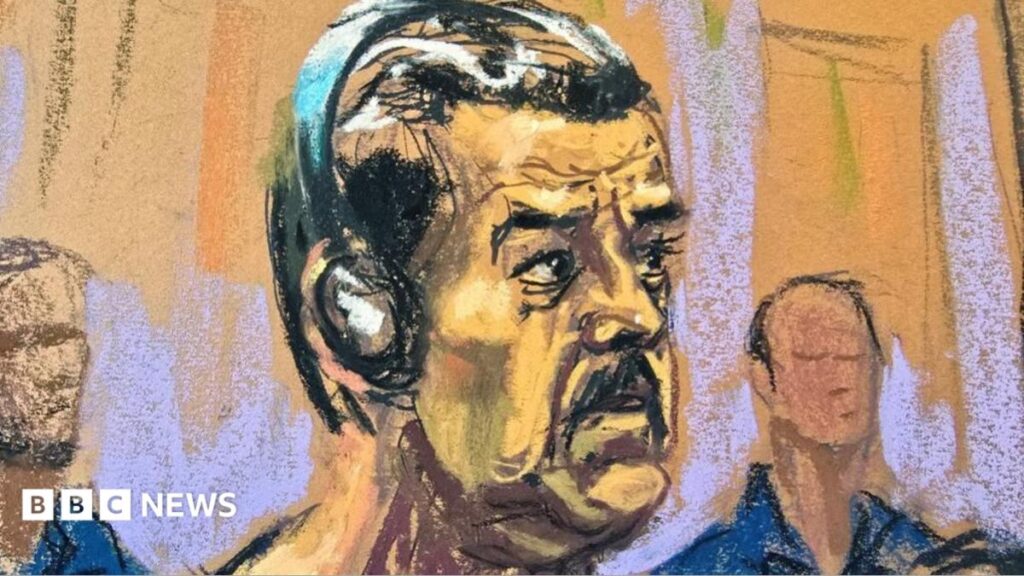
On October 8, 2026, the U.S. Department of Justice announced that Nicolás Maduro faces a federal charge of conspiracy to commit torture. The indictment alleges that Maduro personally directed a network of security agents to inflict severe pain on three American citizens who were detained between 2018 and 2020. According to the filing, the victims were subjected to beatings, electric shocks, and prolonged sensory deprivation while being held in clandestine facilities.
Prosecutors say the conspiracy involved high‑ranking officials from the Ministry of Interior, the Bolivarian National Guard, and the intelligence service SEBIN. The charge carries a potential life‑sentence if Maduro is ever extradited or tried in absentia. While Maduro remains out of reach of U.S. courts, the indictment is intended to signal that the United States will pursue legal avenues against foreign leaders accused of grave human‑rights violations.
Why the Case Resonates Beyond Caracas
The indictment is part of a growing trend of using universal‑jurisdiction principles to hold authoritarian leaders accountable, a strategy that has been employed against former Sudanese President Omar al‑Bashir and Myanmar’s military chief Min Aung Hlaing. By framing the alleged torture of U.S. citizens as a conspiracy, Washington is extending the legal reach of its anti‑torture statutes to foreign heads of state, a move that could set a precedent for future prosecutions.
For the broader international community, the charge underscores the increasing willingness of Western powers to weaponize human‑rights law in geopolitical contests. It also raises questions about the effectiveness of sanctions versus criminal proceedings as tools to pressure regimes that flout basic civil liberties.
Implications for African Markets and Diaspora Communities
Venezuela’s oil output has long been a bellwether for global crude markets, and any shift in its political calculus can reverberate across Africa’s oil‑dependent economies. South Africa, Nigeria, and Angola watch Caracas closely because changes in Venezuelan production affect OPEC quotas, which in turn influence global price benchmarks used by African exporters. A potential thaw in U.S.–Venezuela relations, should the case lead to negotiations, could reopen avenues for Venezuelan oil imports to African refineries that have struggled with supply gaps since 2019.
The indictment also matters for African diaspora groups that have settled in Venezuela over the past decade. Small communities of Nigerian and Ghanaian entrepreneurs operate food stalls, transport services, and informal trade networks in Caracas and other cities. Heightened diplomatic pressure on Maduro could accelerate the outflow of these migrants, adding another layer to the already massive Venezuelan exodus that is reshaping labor markets in West Africa. Moreover, the case may embolden African human‑rights NGOs to pursue similar legal actions against leaders in their own regions, citing the U.S. precedent as a template.
What Comes Next: Legal and Diplomatic Paths
In the short term, the charge is unlikely to result in Maduro’s physical appearance in a U.S. courtroom. However, it gives the United States a legal foothold to demand cooperation from any third‑party country willing to extradite or freeze assets linked to the Venezuelan leader. European nations that already enforce sanctions may now be compelled to tighten financial restrictions, especially on entities that could be implicated in the alleged torture network.
Diplomatically, the indictment could force Caracas to reconsider its stance toward Washington. Past attempts at dialogue have faltered over the release of political prisoners and the lifting of sanctions. If the U.S. pairs the criminal case with a renewed humanitarian package, Maduro’s government might find it advantageous to negotiate, potentially opening limited channels for the return of detained U.S. citizens and the easing of trade barriers that affect African oil markets.
Quick Answers
What crime was Nicolás Maduro charged with in the United States?
He was indicted on a federal charge of conspiracy to commit torture of three U.S. citizens detained in Venezuela.
How could the indictment affect U.S.–Venezuela diplomatic relations?
The charge adds legal pressure that could push Caracas toward negotiations on prisoner releases and sanctions relief, while also risking further diplomatic isolation.
What impact might the case have on African economies or diaspora communities?
Potential changes in Venezuelan oil exports could affect African oil price benchmarks, and increased pressure on Maduro may accelerate the departure of African migrants living in Venezuela.
Source: www.bbc.co.uk




💬 Comments 0