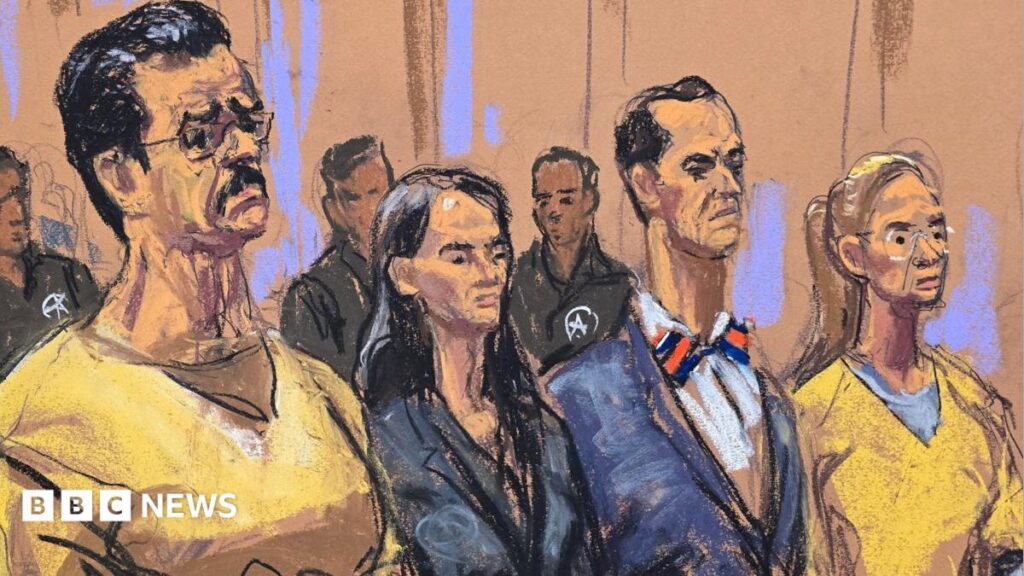
Nicolás Maduro pleads not guilty to new torture charges in New York court, 2026
Background: Maduro’s legal battles in the US
Since 2017, former Venezuelan president Nicolás Maduro has been fighting a series of civil lawsuits in the United States that accuse him and his inner circle of human‑rights violations, drug trafficking, and corruption. The most notable case, filed by the families of victims of the 2018 Caracas fire at the former National Guard headquarters, resulted in a 2023 New York judge ruling that Maduro could be sued for alleged involvement in the tragedy. That decision opened the door for additional claims, prompting the US Department of Justice to pursue criminal charges under the Torture Victim Protection Act and related statutes, a rare step against a sitting head of state.
The US approach reflects a broader policy shift under successive administrations to hold foreign leaders accountable through civil and criminal avenues, even when diplomatic relations are strained. While Maduro has long denied any wrongdoing, his legal team has repeatedly argued that US courts lack jurisdiction over a sovereign leader. The litigation has been watched closely by Venezuelan diaspora groups in the United States, who see it as a potential lever for justice, and by regional allies who fear precedent‑setting repercussions for their own leaders.
The new torture charges and courtroom response
On October 15, 2026, a New York federal judge added a set of torture‑related counts to the existing civil case, accusing Maduro of personally ordering the use of electric shocks, waterboarding, and other abusive techniques against political opponents between 2015 and 2020. Prosecutors presented a sealed indictment that references testimonies from former security officers and victims who fled to neighboring Colombia and Brazil. In the courtroom, Maduro’s attorney, Alejandro García, rose and declared, “I reject this document entirely,” before the judge formally read the charges. The former president entered a plea of not guilty, a procedural move that ensures the case proceeds to a discovery phase rather than an immediate dismissal.
Legal experts note that the not‑guilty plea does not imply confidence in ultimate acquittal; rather, it preserves strategic options for settlement, diplomatic negotiation, or a possible trial in a different jurisdiction. The indictment also includes a request for a restraining order that would freeze any assets linked to Maduro within the United States, a demand that could have ripple effects on his overseas holdings, many of which are channeled through shell companies in Caribbean tax havens.
Why the case matters beyond Venezuela
The addition of torture charges signals a willingness by US prosecutors to pursue criminal accountability for state‑sponsored abuse, a path previously reserved for lower‑level officials. If the case advances, it could set a legal precedent that encourages similar actions against leaders from other authoritarian regimes, particularly in Latin America and Africa where US‑backed human‑rights litigation has been limited. Moreover, the case arrives at a time when the International Criminal Court is examining alleged crimes in Sudan and Ethiopia, highlighting a growing global appetite for judicial mechanisms that bypass diplomatic immunity.
For African observers, the Maduro indictment offers a comparative lens on how the West handles alleged abuses by leaders who are both anti‑US and aligned with China or Russia. Nations such as Angola and Mozambique, which maintain strategic ties with Venezuela, may monitor the proceedings to gauge potential secondary sanctions or asset freezes that could affect their own economic partnerships. The case also underscores the importance of diaspora advocacy networks, which have been instrumental in gathering evidence and pressuring Western authorities to act.
Implications for US‑Venezuela relations and regional politics
Diplomatically, the charges deepen the already frosty relationship between Washington and Caracas. The Maduro government has repeatedly condemned the lawsuits as “political persecution” and threatened reciprocal legal actions against US officials. In response, the US State Department has reiterated its commitment to pursuing accountability while keeping open channels for a negotiated political transition in Venezuela. Analysts warn that the litigation could harden Maduro’s stance, making him less willing to engage in talks mediated by neighboring countries such as Colombia or Brazil, which are themselves navigating internal political turbulence.
Regionally, the case may influence the stance of the Organization of American States (OAS) and the Lima Group, both of which have called for democratic restoration in Venezuela. If the US secures a conviction—or even a settlement that includes reparations—it could embolden these bodies to press for stronger sanctions or to support opposition leader María Corina Machado in upcoming elections. Conversely, a protracted legal battle that stalls could be leveraged by Maduro’s allies to argue that external pressure is ineffective, potentially rallying nationalist sentiment across the continent.
What’s next: possible outcomes and diaspora impact
The immediate next step is the discovery phase, during which both sides will exchange evidence, interview witnesses, and potentially subpoena financial records tied to Maduro’s offshore entities. Experts estimate that this phase could last 12‑18 months, after which a judge will decide whether the case proceeds to trial or is dismissed on jurisdictional grounds. A trial in New York would be historic, but it also carries the risk of diplomatic retaliation, such as the expulsion of US diplomats from Caracas or the suspension of humanitarian aid programs.
For the Venezuelan diaspora—particularly the sizable communities in the United States, Spain, and Brazil—the case carries symbolic weight. Victims’ families see it as a chance for recognition and compensation, while younger migrants hope it might pressure the Maduro regime to loosen its grip on power. In African cities with growing Venezuelan migrant populations, such as Lagos and Johannesburg, the outcome could affect how host governments view future asylum claims, especially if the US frames the indictment as proof of systematic state terror.
Quick Answers
What new torture‑related charges were added against Nicolás Maduro in New York?
The indictment accuses Maduro of ordering electric shocks, waterboarding, and other abusive techniques against political opponents between 2015 and 2020.
How did Maduro respond to the charges in court?
His lawyer declared the document rejected and Maduro entered a plea of not guilty, allowing the case to move forward.
Could this case affect Venezuelan migrants in the United States or Africa?
Yes; a conviction could lead to asset freezes that impact remittances and may influence how host countries process future asylum claims from Venezuelans.
Source: www.bbc.co.uk




💬 Comments 0