Nigeria kidnapping crisis 2026: Over 1,200 abductions threaten security and livelihoods
Background: a surge that outpaces past waves
Kidnapping in Nigeria was once confined to the Niger Delta and the northeast, but 2023‑2025 saw a dramatic geographic spread into the south‑central states, the Lagos periphery and even affluent neighbourhoods of Abuja. Government data released in March 2026 recorded more than 1,200 reported abductions in the past year alone, a three‑fold increase from 2022. Analysts link the surge to a mix of dwindling police capacity, the proliferation of cheap firearms, and the emergence of loosely‑aligned criminal syndicates that borrow tactics from Boko Haram and Niger Delta militants.
The new wave differs from earlier politically‑motivated kidnappings. Victims are now often ordinary commuters, students and small‑business owners, and ransom demands are typically in the low‑to‑mid‑five‑figure range, making the crime financially viable for a broader pool of criminals. According to a report by Amnesty International, the average time a victim spends in captivity has dropped from weeks to a matter of hours, as kidnappers prioritize quick cash over prolonged negotiations.
The human toll and the chilling tactics on the ground
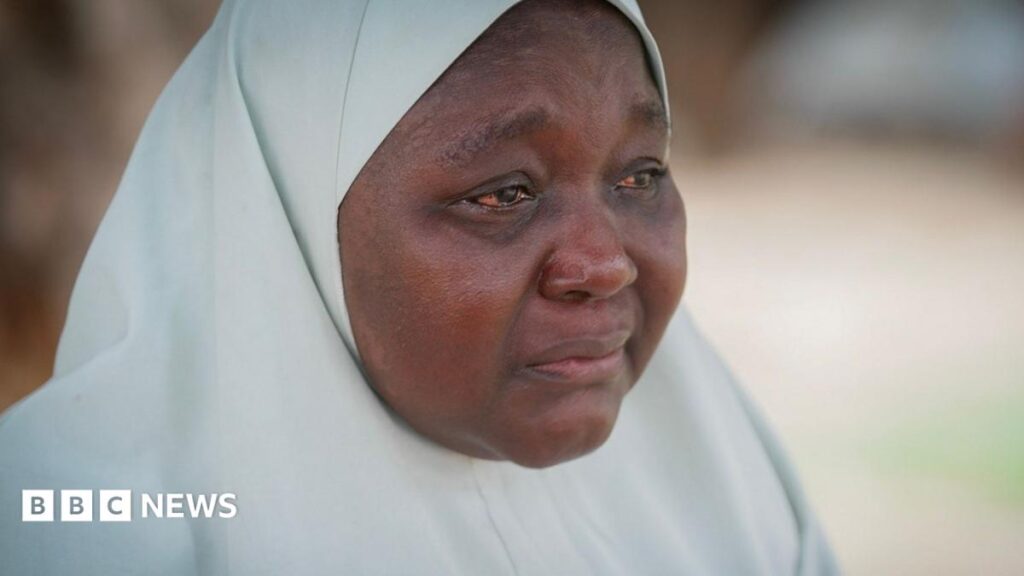
Survivors describe a grim pattern: kidnappers intercept vehicles on poorly lit roads, force passengers to run into dense bush, and open fire on anyone who hesitates. The headline quote “If you started running, they shot you” encapsulates the brutal calculus that has turned daily commutes into life‑or‑death gambles. Families report receiving a single text message demanding payment, followed by a deadline that can be as short as 24 hours. Failure to comply often results in the victim being released unharmed but traumatised, while some cases end in fatal shootings.
Psychological trauma is spreading beyond direct victims. A 2026 survey by the Nigerian Institute of Medical Research found that 68 % of respondents in affected districts experience heightened anxiety about travel, leading to reduced school attendance and lower market activity. The fear factor is also reshaping gender dynamics; women, who previously made up a smaller share of kidnapping targets, are now disproportionately affected because they are more likely to travel alone for work or education.
Economic and social ripple effects across the country
The kidnapping crisis is eroding investor confidence in Nigeria’s already fragile economy. The Nigerian Stock Exchange saw a 3 % dip in the consumer‑services index in April 2026, a movement analysts tie directly to reports of disrupted logistics and a slowdown in small‑scale trade. Transport companies are raising freight rates by up to 15 % to cover the cost of armed escorts, a surcharge that ultimately burdens consumers and pushes informal traders out of the market.
Education is taking a hit as well. The Ministry of Education reported a 12 % decline in secondary‑school enrolment in the states most affected by abductions during the 2025‑2026 academic year. Parents are opting to keep children at home or enrol them in expensive private schools that can afford private security, widening the education gap between affluent and low‑income families.
Regional ripple effects and diaspora concerns
Nigeria’s kidnapping epidemic is reverberating throughout West Africa. Neighboring Ghana and Côte d’Ivoire have reported a modest uptick in cross‑border abductions, prompting the Economic Community of West African States (ECOWAS) to issue a joint statement in June 2026 urging member states to coordinate intelligence sharing. The diaspora community, particularly Nigerians in the United Kingdom and the United States, is reacting with heightened anxiety, as families worry about relatives travelling back for weddings or funerals.
Remittance flows, a lifeline for many Nigerian households, are showing early signs of strain. Data from WorldRemit indicated a 4 % dip in outbound transfers from the UK to Nigeria between January and May 2026, a trend economists attribute to fear of sending money that could be used to pay kidnappers. Diaspora organisations are lobbying both host‑country governments and the Nigerian authorities for stronger consular support and clearer evacuation protocols.
What’s next: policy options and community responses
President Bola Tinubu’s administration announced a “National Anti‑Kidnapping Task Force” in July 2026, pledging 5,000 new police recruits, specialized rapid‑response units and a $250 million budget for intelligence technology. Critics, however, argue that without systemic reforms—such as better pay for officers, community policing models and transparent oversight—the task force may become another short‑lived initiative. A coalition of civil‑society groups, including the Center for Democracy and Development, is calling for a public‑inquiry into alleged collusion between some security personnel and kidnapping gangs.
On the ground, grassroots movements are emerging. In the town of Oyo, residents have formed “Neighbourhood Watch” patrols equipped with radios and solar‑powered lights, reducing successful abductions by an estimated 30 % over three months, according to local police records. Tech startups are also entering the arena; a Lagos‑based firm launched a low‑cost GPS‑tracking app for school buses, which has been adopted by over 150 private schools as of August 2026.
Quick Answers
How many kidnappings were reported in Nigeria in 2025‑2026?
More than 1,200 kidnapping incidents were recorded nationwide during that period, according to official government statistics released in March 2026.
What impact is the kidnapping crisis having on Nigerian schools?
Secondary‑school enrolment fell by about 12 % in the hardest‑hit states in the 2025‑2026 academic year, as parents keep children home to avoid abduction risk.
Are diaspora Nigerians affected by the kidnapping surge?
Yes; remittance transfers to Nigeria dropped 4 % in early 2026, and diaspora groups are urging stronger consular protection for relatives traveling back home.
Source: www.bbc.co.uk




💬 Comments 0