Nigeria mourns 32 dead as military C-130 crashes into Lagos swamp, Tinubu calls it painful
Background: Nigeria’s military aviation fleet and the C-130’s role
Nigeria’s air force relies heavily on a modest fleet of transport aircraft to move troops, equipment and humanitarian aid across a country that spans over 900,000 square kilometres. The Lockheed C‑130H Hercules, first delivered in the early 2000s under a U.S. security assistance programme, has become the workhorse for long‑range deployments, especially in the north‑east where the fight against Boko Haram and banditry demands rapid logistics support. Over the past decade, the fleet has been stretched thin, with many airframes operating beyond their designed service life and maintenance schedules hampered by budget constraints and a shortage of spare parts.
The aircraft that went down on October 5 was one of only a handful of C‑130s still active in the Nigerian Air Force (NAF). According to the Ministry of Defence, the plane had completed a routine ferry flight from the NAF Base in Kaduna to Lagos for a scheduled crew change and a routine inspection. Its cargo manifest listed only a small contingent of senior officers and a handful of supplies, indicating that the flight was not a combat sortie but a routine logistical movement that nonetheless carried strategic importance for the force’s operational readiness.
The crash: what happened on October 5, 2026
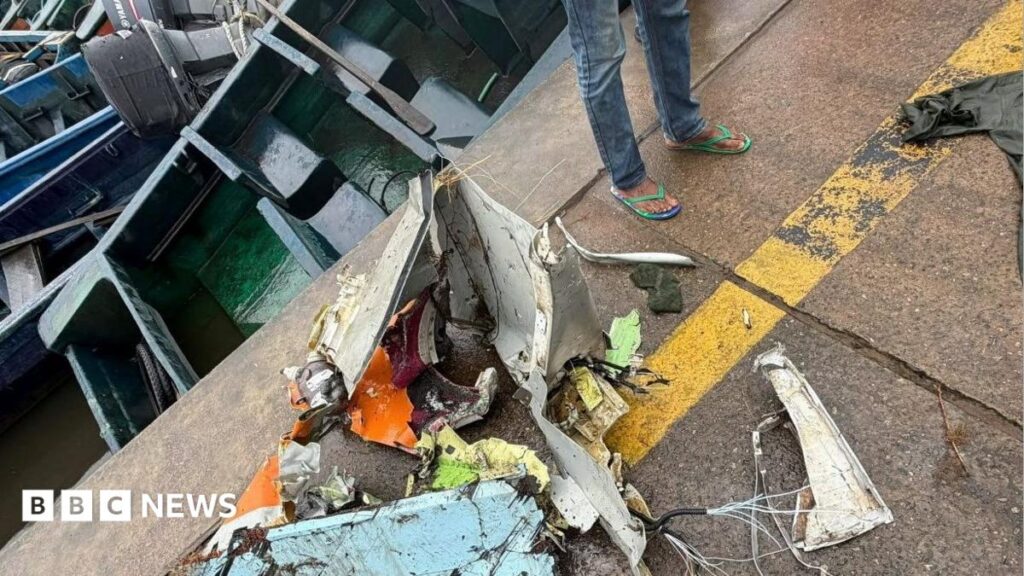
At approximately 14:30 local time, eyewitnesses near the Lekki‑Ikoyi coastal area reported seeing the twin‑engine aircraft lose altitude abruptly before disappearing into the mangrove‑lined swamp that borders the Lagos lagoon. Rescue teams later recovered the wreckage, confirming that the plane had impacted the waterlogged terrain at high speed. Initial statements from the NAF indicated that a possible mechanical failure, perhaps related to the left engine, may have precipitated the loss of control, but the exact cause remained under investigation.
The death toll quickly rose to 32, including 27 aircrew members, three senior officers and two civilian technicians. Families of the victims gathered at the Lagos State Ministry of Information, where officials set up a temporary assistance centre to provide counseling and financial support. The crash marked the deadliest peacetime aviation disaster in Nigeria’s recent history, eclipsing the 2022 incident that claimed ten lives when a military trainer aircraft went down in Kaduna.
Immediate fallout: families, morale and operational gaps
The loss reverberated through the tight‑knit community of Nigerian military families, many of whom travel regularly between Lagos and the northern states. Community leaders in Abuja organised a day of prayer, while diaspora groups in the United Kingdom and the United States posted messages of condolence on social media, highlighting how the tragedy struck a chord with Nigerians abroad who closely follow security developments at home.
Beyond the human cost, the crash exposed a critical capability gap for the NAF. The C‑130 fleet accounts for roughly 30 % of the air force’s strategic lift capacity; losing one aircraft reduces the force’s ability to move troops quickly to conflict zones, potentially slowing counter‑insurgency operations in the Lake Chad basin. Analysts from the African Centre for Defence Studies warned that the incident could force the army to rely more heavily on aging, less reliable aircraft, thereby increasing operational risk in a theatre already marked by logistical challenges.
Political and public reaction: Tinubu’s statement and broader concerns
President Bola Tinubu addressed the nation on television the following day, describing the crash as a “painful moment for the military and the entire nation.” He pledged full support for the families and ordered an “independent, transparent inquiry” led by the Ministry of Aviation and the Nigerian Police Force. Political opponents, including leaders of the Peoples Democratic Party, seized on the tragedy to demand a overhaul of defence procurement, arguing that the crash underscores years of neglect and corruption in the armed forces.
Civil society organisations also weighed in, calling for stricter oversight of military aircraft maintenance and for the government to accelerate the replacement of ageing airframes. In Lagos, thousands gathered at the National Stadium for a candle‑light vigil, a scene reminiscent of previous national mourning events that have galvanized public demand for accountability. The episode has revived debate over Nigeria’s broader safety record, with the International Civil Aviation Organisation (ICAO) reportedly reviewing the country’s compliance with international maintenance standards.
What lies ahead: investigations, reforms and regional security implications
The investigative panel is expected to release a preliminary report within 30 days, focusing on flight‑data recorder analysis, maintenance logs and pilot training records. Sources close to the Ministry of Defence say that the panel will also examine the procurement process that led to the current fleet composition, a step that could pave the way for new contracts with Western or Chinese manufacturers. If the findings point to systemic neglect, the government may face pressure from the United States and European partners to modernise its air assets as part of broader security assistance programmes.
Regionally, the crash could have ripple effects on the fight against Boko Haram and other insurgent groups that rely on rapid air‑lift for troop deployment. Neighboring Chad and Niger have already expressed solidarity, offering to share spare parts and technical expertise if requested. For the Nigerian diaspora, the incident serves as a stark reminder that security reforms at home directly affect remittance flows and investment confidence, factors that underpin the country’s fragile economic recovery after years of recession.
Quick Answers
How many people died in the Nigerian military plane crash?
Thirty‑two people, including 27 crew members, three senior officers and two civilian technicians, were confirmed dead.
What type of aircraft was involved in the crash?
The aircraft was a Lockheed C‑130H Hercules, the main transport plane used by the Nigerian Air Force.
What are the next steps for the investigation?
An independent panel led by the Ministry of Aviation and the Nigerian Police will analyse flight data, maintenance records and pilot logs, with a preliminary report expected within a month.
Source: www.bbc.co.uk


💬 Comments 0