Nigerian army rescues 33 hostages from Zamfara kidnappers – implications for northwest security in 2026
A volatile backdrop: kidnapping in north‑west Nigeria
Zamfara state, part of Nigeria’s north‑west, has become a flashpoint for criminal gangs since the early 2020s. The region’s rich mineral deposits, especially gold, have attracted armed groups that fund their operations through illegal mining, cattle rustling and, increasingly, mass kidnappings of travelers and schoolchildren. According to the United Nations Office on Drugs and Crime, the number of abductions in Zamfara rose by 38 % between 2022 and 2024, outpacing the rest of the country.
The surge in kidnappings is linked to a broader security vacuum created by stretched federal forces, under‑resourced local police, and the lingering effects of the Boko Haram insurgency in the northeast. Communities that depend on agriculture and trade now face daily threats on the highways that connect markets in Kano, Kaduna and the coastal ports of Lagos. The fear of being seized has forced many traders to reroute their journeys, inflating transport costs and squeezing profit margins for small‑scale farmers.
For the Nigerian diaspora, especially those in the United Kingdom and the United States, these attacks reverberate through remittance flows. Families that rely on money sent from abroad are hesitant to invest in travel or business ventures in the north‑west, curbing a vital source of foreign exchange. Moreover, the diaspora’s perception of safety influences tourism and the willingness of expatriates to return for family visits, a factor that the government has struggled to counteract.
The army’s operation: how 33 hostages were freed
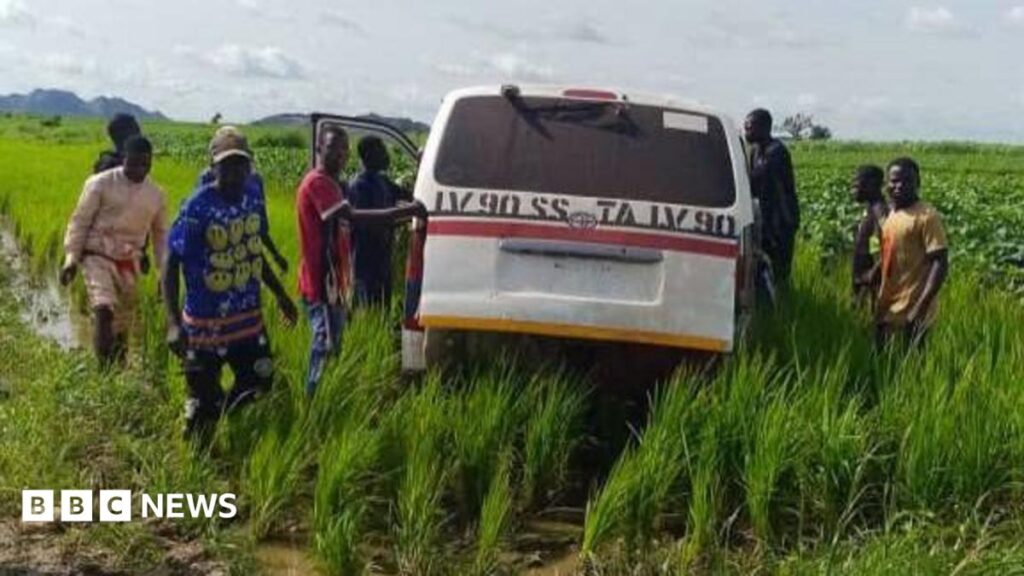
On Saturday, a convoy of civilians travelling from Birnin Kebbi to a market in Gusau was ambushed on the Kogi‑Zamfara highway. Gunmen seized 33 passengers, including traders, students and a few aid workers, and fled into the dense bushland that lines the route. The Nigerian army, alerted by a distress call to its regional command, deployed a rapid‑response team from the 7th Division, supported by aerial surveillance drones.
According to a statement released by the army headquarters in Abuja, troops tracked the kidnappers using a combination of GPS triangulation from the victims’ mobile phones and intelligence supplied by local vigilante groups. After a three‑hour pursuit, soldiers engaged the gang at a makeshift camp near the village of Gidan Gambo, rescuing all hostages without any reported casualties. The operation, officials said, was “conducted with precision to minimise harm to the civilians.”
The rescued individuals were taken to a field hospital in the state capital, Zamfara City, where medical teams treated minor injuries and provided psychological first‑aid. The army also seized two assault rifles, several ammunition caches and a cache of mobile phones believed to be used for coordinating future raids. Local authorities have pledged to investigate the identities of the kidnappers, though no arrests have been confirmed as of the evening of August 10.
Why the rescue matters beyond the immediate safety of 33 people
The successful operation sends a signal to both criminal networks and the civilian population that the federal government can still project force in a region where trust has eroded. For traders, the knowledge that the army can intervene may restore some confidence in using the highway for commerce, which in turn could ease the supply‑chain bottlenecks that have driven up food prices across northern Nigeria.
From an economic standpoint, the incident underscores how insecurity directly threatens Nigeria’s agricultural output. Zamfara contributes roughly 5 % of the nation’s millet and sorghum harvest. Frequent kidnappings discourage farmers from transporting produce to market, leading to post‑harvest losses estimated at several million dollars annually, according to the International Food Policy Research Institute. A stable security environment is therefore essential for maintaining the country’s food‑security buffer and for meeting the growing demand from urban centers.
Politically, the rescue arrives at a delicate time for President Bola Tinubu’s administration, which has pledged a “zero‑tolerance” approach to banditry. Critics have accused the government of prioritising high‑profile operations in the south while neglecting systemic reforms in the north‑west. The army’s visible success could be leveraged by the presidency to demonstrate progress, but it also raises expectations for a sustained, coordinated response that includes community policing and socioeconomic development.
Reactions on the ground and across the diaspora
Local residents in Zamfara expressed a mixture of relief and lingering anxiety. In an interview with the local radio station, a market vendor named Aisha Bello said, “We are grateful the soldiers saved our friends, but we still hear gunshots at night. We need schools and clinics, not just rescue missions.” Community leaders have called for the establishment of permanent security outposts along the highway, a demand echoed by the state governor’s office in a press briefing on Monday.
Humanitarian NGOs operating in the region, such as Médecins Sans Frontières and the Nigerian Red Cross, welcomed the rescue but warned that the underlying drivers of banditry—poverty, unemployment, and weak governance—remain unaddressed. A spokesperson for the Red Cross noted that “short‑term rescues are vital, yet without long‑term livelihood programmes, the cycle of abduction will continue.”
Among the Nigerian diaspora, social media conversations have surged. Twitter threads from Lagos‑based expatriates highlighted the emotional toll on families abroad, while diaspora organisations in the United Kingdom have pledged to fund counselling services for the rescued hostages. The diaspora’s advocacy could translate into lobbying pressure on the Tinubu administration to allocate more resources to the north‑west, a pattern observed after previous high‑profile kidnappings of students in Kankara and Jangebe.
What comes next: policy options and regional spill‑over
Security analysts suggest that the army’s tactical success must be paired with strategic reforms. One proposal gaining traction is the creation of a joint task force that combines federal troops, state police, and vetted community vigilantes, overseen by a civilian oversight board. This model, employed in Kenya’s fight against the Al-Shabaab insurgency, aims to improve intelligence sharing while reducing human‑rights abuses that have historically plagued Nigerian security operations.
Economic interventions are equally crucial. The World Bank’s recent report on “Resilient Rural Economies in the Sahel” recommends targeted cash‑grant programmes for smallholder farmers in Zamfara, coupled with micro‑credit facilities for traders who have lost cargo to bandit raids. If implemented, such measures could diminish the financial incentive for youths to join armed groups, a factor that fuels the kidnapping trade.
Finally, the incident has regional implications. Neighboring Niger and Chad have reported similar patterns of banditry along their shared borders, raising concerns about a trans‑national criminal network. The Economic Community of West African States (ECOWAS) is expected to convene a security summit in Abuja later this year, where member states may agree on a coordinated border‑patrol initiative. Successful cooperation could prevent the spread of kidnapping tactics into the broader Sahel, protecting both African markets and the safety of diaspora travelers.
Quick Answers
How many people were rescued by the Nigerian army in Zamfara?
The army rescued 33 hostages who had been kidnapped on the Kogi‑Zamfara highway.
When did the kidnapping in Zamfara state occur?
The abduction took place on Saturday, August 5, 2026.
What broader trend does this kidnapping reflect in north‑west Nigeria?
It is part of a rising wave of mass kidnappings linked to bandit groups that have increased by about 38 % in Zamfara since 2022.
Source: www.bbc.co.uk




💬 Comments 0