North Korea publishes photos of Kim Jong Un with daughter after 2026 death rumors
A familiar pattern: death rumours around Kim Jong Un
Since he took power in 2011, Kim Jong Un has been the subject of periodic death rumors that flare up after mysterious health incidents, diplomatic blunders or sudden policy shifts. The first major wave followed a reported heart attack in 2014, and subsequent spikes appeared after the 2017 nuclear tests and the 2020 COVID‑19 lockdowns. Each time, the opaque nature of the regime’s internal communications fuels speculation, and the internet’s echo chambers amplify unverified claims.
The latest surge began in early October 2026, when a series of posts on X and Telegram claimed that Kim had died in a plane crash while traveling to a secret summit. The rumor spread quickly among diaspora groups and was picked up by a handful of Western blogs that cited “anonymous sources”. No official North Korean channel confirmed anything, leaving a vacuum that rumor‑mongers eagerly filled.
State media’s visual rebuttal
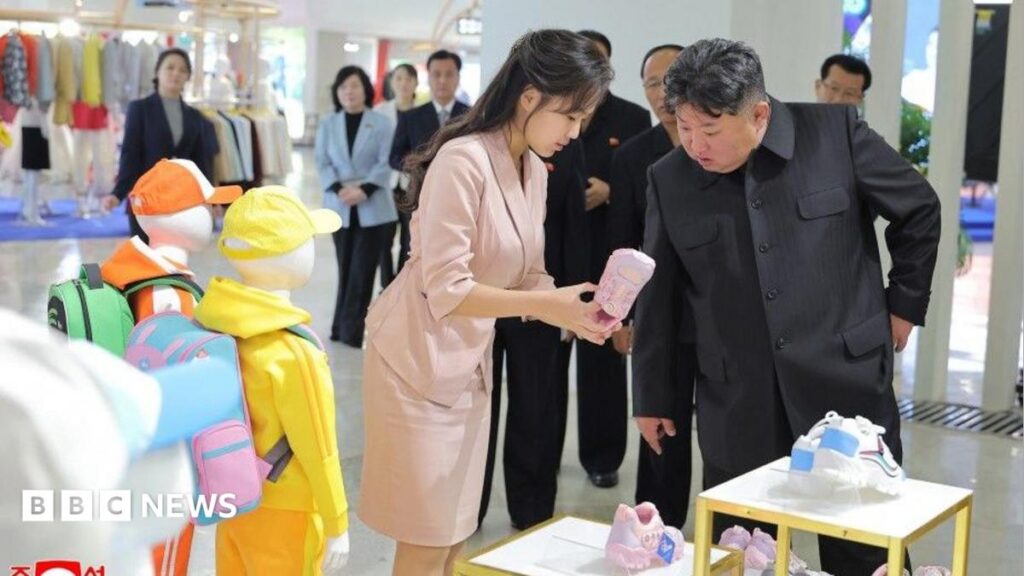
On October 20, the Korean Central News Agency (KCNA) released a short video showing Kim Jong Un walking hand‑in‑hand with his teenage daughter, Kim Ju‑Ae, at a school ceremony in Pyongyang. The footage, lasting just under a minute, was accompanied by the caption “Our beloved leader continues to guide the nation with his family”. This is the first public appearance of Ju‑Ae since 2023, and it was clearly intended to silence the circulating rumors.
Experts note that the timing is deliberate: by offering a recent, verifiable image, the regime can claim that the rumors are “fabricated by hostile forces”. The move also serves a dual purpose of showcasing a softer, family‑oriented image of the dictator, a tactic used in previous propaganda bursts to humanise the leadership for both domestic and foreign audiences.
Why the rumors matter beyond the Korean Peninsula
Even though North Korea is isolated, its stability—or perceived instability—has outsized effects on regional security and global markets. Analysts in Seoul and Washington warned that a sudden leadership change could trigger a power struggle, potentially leading to a more hard‑line successor or, conversely, a reformist faction seeking rapprochement with the West. Both scenarios would ripple through supply chains for rare earth minerals, which North Korea supplies in modest but strategic quantities.
For investors, especially those in emerging markets, uncertainty about Pyongyang can shift risk sentiment toward safe‑haven assets like gold and the US dollar. In early 2026, a brief dip in the Korean won after a similar rumor contributed to a 0.4 % drop in South African rand futures, according to a Johannesburg‑based brokerage. While the effect is modest, it illustrates how misinformation in one corner of the world can affect currency markets that Africans watch closely.
African and diaspora angles that often get missed
African countries that maintain diplomatic ties with North Korea—such as Nigeria, Angola and Sudan—track Pyongyang’s internal dynamics for two reasons. First, they receive scholarships and technical assistance in fields like medicine and engineering, programmes that could be jeopardised by a leadership crisis. Second, the North Korean regime has historically used its African allies to circumvent sanctions, a practice that could be reassessed if a new leader seeks to reset foreign policy.
The Korean diaspora in Africa, though small, includes a handful of students and businesspeople who rely on the regime’s cultural outreach. Rumors of Kim’s death can cause anxiety among these expatriates, who fear sudden policy reversals that might affect their visas or employment. Moreover, African media houses often echo the official North Korean narrative without critical scrutiny, partly because of limited resources to verify information, reinforcing the cycle of state‑driven messaging.
What’s next: monitoring the narrative and its fallout
In the short term, analysts expect the KCNA to flood regional news wires with more family‑centric images, a strategy that has worked in the past to re‑establish a sense of continuity. International observers will watch for any deviation in North Korea’s diplomatic tone, especially regarding its upcoming talks with the United States and China later this year. A sudden shift could signal a new leader testing the waters.
For African policymakers, the episode underscores the need for independent verification mechanisms when dealing with opaque regimes. Strengthening ties with multilateral intelligence platforms and investing in local fact‑checking units could help governments and media outlets separate genuine policy changes from propaganda. As the world becomes more interconnected, the ripple effects of a rumor in Pyongyang will increasingly be felt on African trading floors, university campuses, and diplomatic corridors.
Quick Answers
Why do death rumors about Kim Jong Un keep resurfacing?
The secretive nature of North Korea’s leadership, combined with limited official communication, creates a vacuum that rumors fill, especially after any health scare or unexpected policy move.
How could Kim Jong Un’s alleged death affect African economies?
Instability in North Korea can shift global risk sentiment, influencing commodity prices and currency markets that African investors monitor, and may also impact scholarship and aid programmes linked to Pyongyang.
What does the recent photo of Kim with his daughter aim to achieve?
The image is a state‑run attempt to disprove death rumors, project a stable family image, and reassure both domestic audiences and foreign partners of continuity in leadership.
Source: www.bbc.co.uk




💬 Comments 0