Odesa’s 2026 Russian‑language arts ban: what it means for Ukraine, its minorities and African students
Background: Odesa’s linguistic crossroads
Odesa, Ukraine’s third‑largest city and a historic Black Sea port, has long been a cultural melting pot where Ukrainian, Russian and many other languages coexist. While Ukrainian is the state language, Russian remains widely spoken in everyday life, media and the arts, especially among older generations and the sizable Russian‑speaking minority.
Since Russia’s full‑scale invasion in 2022, Kyiv has accelerated a de‑Russification agenda, targeting symbols of Russian influence in public institutions, education and media. The move in Odesa follows similar decisions in western Ukrainian cities, where municipal councils have voted to restrict Russian‑language signage, theater productions and school curricula.
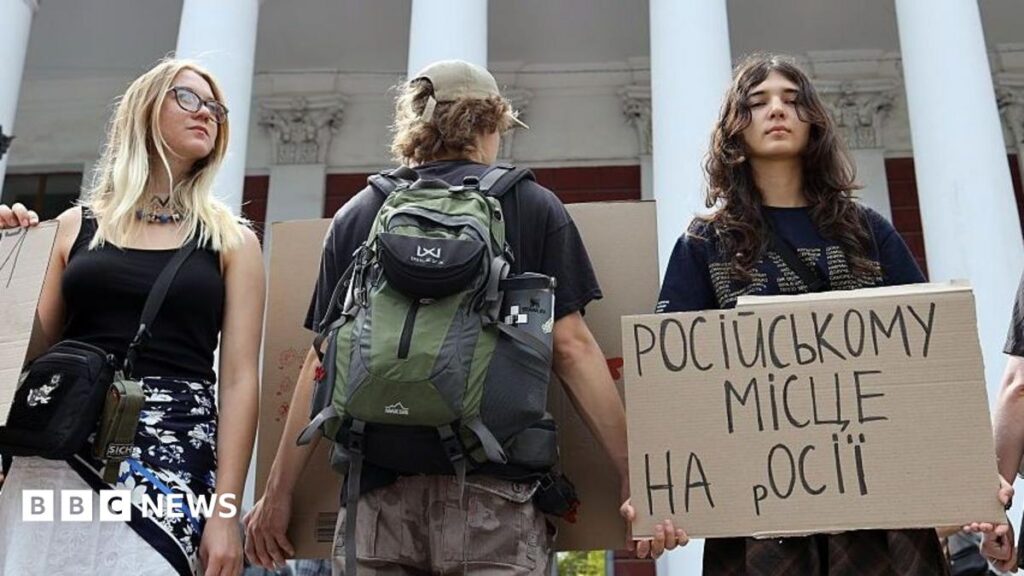
The latest proposal, tabled by Odesa’s city council this week, would prohibit the public performance or distribution of music, literature and other artistic works whose primary language is Russian. Supporters argue that the measure protects national security and cultural sovereignty; opponents warn it could deepen societal divides.
Why the ban matters beyond politics
Cultural policy is often a barometer of how societies negotiate identity after conflict. By targeting Russian‑language art, Odesa’s council is not just regulating language but also shaping the narrative of who gets to represent Ukrainian culture in the public sphere. This could set a precedent for other municipalities to adopt similarly restrictive statutes.
Economically, the ban may affect venues, publishers and musicians who rely on Russian‑speaking audiences. Small‑scale festivals that traditionally book Russian‑language acts could lose revenue, while Ukrainian‑language creators may see a short‑term boost in bookings as venues scramble for compliant content.
Human‑rights organisations have already voiced concerns that the ban could infringe on freedom of expression. International observers note that while wartime measures are sometimes justified, blanket prohibitions on language risk alienating minority communities and could be challenged in European courts.
African students and the diaspora: an often‑overlooked angle
Ukraine hosts one of the largest African student populations in Eastern Europe, with estimates of 30,000‑plus Africans enrolled in universities across Kyiv, Kharkiv and Odesa. Many of these students chose Ukraine for its affordable tuition and the prevalence of Russian as a lingua franca for academic materials and everyday communication.
For African scholars in Odesa, the proposed ban could complicate daily life. Russian‑language textbooks, library collections and informal study groups are essential resources for many who are still mastering Ukrainian. A sudden removal of Russian cultural content may force universities to accelerate the translation of curricula, a costly and time‑consuming process.
Beyond academia, African artists and performers who have built careers on multilingual platforms may find their creative options narrowed. A Nigerian rapper who mixes Russian and English in his lyrics, for example, could be barred from performing in Odesa’s clubs, limiting exposure to a wider European audience.
Reactions: from local activists to international bodies
Pro‑ban activists, including several members of the Odesa City Council, claim the measure is a necessary step to protect Ukrainian cultural integrity after years of Russian propaganda. In a council meeting, one deputy said the ban would “reclaim our stages for Ukrainian voices.”
Civil‑society groups, such as the Ukrainian Helsinki Human Rights Union, have condemned the proposal, calling it “discriminatory” and urging the council to consider less sweeping alternatives like content warnings or bilingual programming. Their statements echo concerns raised by the Council of Europe about restrictions on minority language use.
Western embassies in Kyiv have taken a cautious stance, acknowledging Ukraine’s right to defend its cultural space while reminding officials that any policy must respect international human‑rights obligations. The European Union’s Delegation to Ukraine reportedly plans to monitor the implementation of the ban for compliance with EU‑wide standards on freedom of expression.
What’s next: legal challenges and possible compromises
The council is scheduled to vote on the ban by the end of September. If approved, the ordinance will likely face immediate legal challenges from Ukrainian NGOs and possibly from foreign cultural institutions that fund Russian‑language events in Odesa.
One compromise being floated involves a “dual‑language” clause, allowing performances in Russian provided they are accompanied by Ukrainian subtitles or translations. This model, used in some Polish cities for minority language theater, could preserve artistic diversity while satisfying de‑Russification goals.
For African students and creators, the outcome will shape how easily they can navigate Odesa’s cultural landscape. Should the ban pass unchanged, universities may lobby for exemptions on educational grounds, and diaspora networks could organize private venues outside the city’s jurisdiction to keep Russian‑language art alive.
Quick Answers
When is Odesa expected to vote on the Russian‑language arts ban?
The city council is set to decide by the end of September 2026.
How could the ban affect African students studying in Ukraine?
It may limit access to Russian‑language study materials and restrict performances by African artists who incorporate Russian in their work.
What legal options exist if the ban is implemented?
Human‑rights groups can file lawsuits in Ukrainian courts or appeal to European bodies, arguing the measure breaches freedom of expression guarantees.
Source: www.bbc.co.uk




💬 Comments 0