Oregon school shooting in Bend: 16‑year‑old kills 4, sparks national safety debate
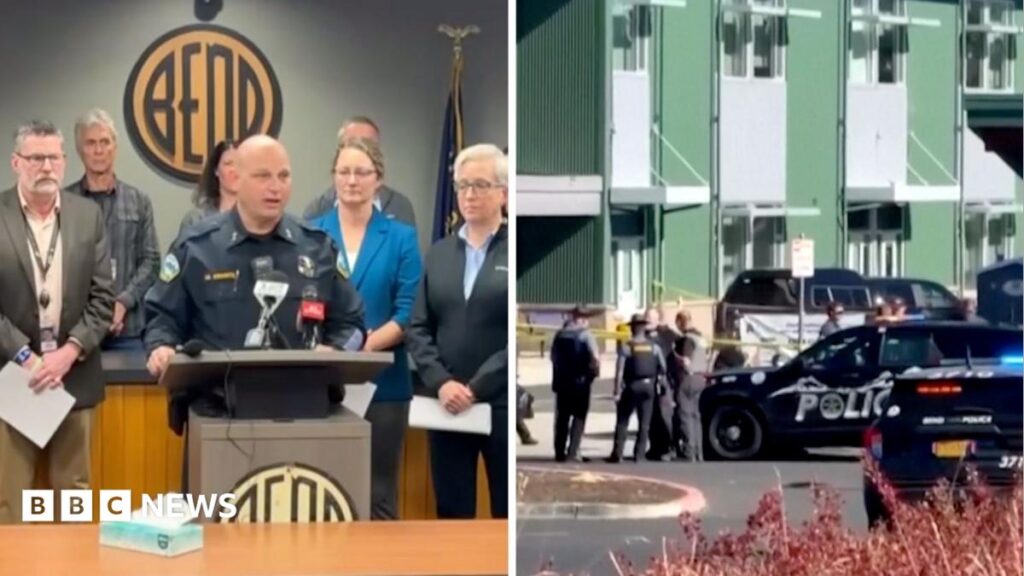
A tragic flashpoint in a growing crisis
The United States has recorded more than 2,800 school‑related shootings since 1999, according to the Everytown for Gun Safety database. Each new incident adds a fresh layer of grief and a renewed call for policy change, but the frequency of attacks has also begun to erode public perception of schools as safe havens. The latest tragedy in Bend, Oregon, pushes the nation’s already strained conversation on school safety into another urgent chapter.
Bend, a midsize city of roughly 110,000 residents, had previously been regarded as a quiet, family‑friendly community with low violent‑crime rates. The city’s reputation for safety made the attack on a primary school—where children as young as five were present—particularly shocking, underscoring how no locality is immune to the broader epidemic of gun violence.
What happened on the morning of October 15, 2026
At approximately 9:30 a.m., police responded to a 911 call reporting an active shooter at the Willow Creek Elementary School in Bend. A 16‑year‑old male, later identified by local authorities, entered a classroom and opened fire with a semi‑automatic rifle that he had obtained from a relative’s unsecured firearm cache. Four victims—a teacher and three pupils aged five, eight and eleven—were killed on the scene, while several others sustained injuries before the suspect was subdued by staff and law‑enforcement officers.
The suspect was taken into custody without further incident. Early statements from the Bend Police Department indicated that the shooter acted alone, and that there were no immediate signs of a coordinated extremist motive. The investigation is now focusing on how the teenager accessed the weapon, his mental‑health background, and whether any warning signs were missed by school officials or family members.
Why the Bend shooting matters beyond Oregon
First, the incident revives the debate over the age at which individuals can legally purchase or possess firearms. While federal law already restricts handgun purchases to those 21 and older, rifles can be bought at 18, and private transfers often evade background checks. The fact that a 16‑year‑old could acquire a rifle through a relative highlights gaps in safe‑storage laws that many states, including Oregon, have struggled to enforce.
Second, the tragedy underscores the mental‑health crisis among American teenagers. According to the CDC, suicide rates among adolescents have risen sharply over the past decade, and research links untreated depression and anxiety to an increased risk of violent behavior. The Bend case may prompt school districts to reassess counseling resources and early‑intervention protocols, especially in districts that have historically allocated limited funding for mental‑health services.
A pattern of copy‑cat attacks and policy inertia
The Bend shooting follows a disturbing pattern where each high‑profile incident appears to inspire a new wave of threats or attempts. Studies by the National Institute of Justice show that media coverage can unintentionally create a template for future shooters. This phenomenon, often called the “contagion effect,” fuels arguments for more restrained reporting and for the removal of glorifying language in news stories.
Yet, despite mounting evidence, legislative action at the federal level remains stalled. The House passed a bipartisan amendment in early 2026 to expand background checks to private gun sales, but the Senate has not taken it up. State legislatures in traditionally gun‑friendly regions have also been reluctant to tighten storage requirements, citing constitutional concerns. The Bend incident may increase pressure on lawmakers in swing states like Oregon, which recently passed a modest safe‑storage bill that critics say lacks enforcement mechanisms.
Reactions from communities and the diaspora
Local response in Bend was immediate and heartfelt. Vigils were held at the school’s football field, and a community fund was set up to support the families of the victims. The city council announced plans to review its emergency‑response protocols and to allocate additional resources for school security upgrades, such as controlled entry points and on‑site mental‑health counselors.
Among the African diaspora in the Pacific Northwest, the shooting sparked conversations about shared experiences of violence and safety. Nigerian‑American parents in the area, who have previously voiced concerns over bullying and racial profiling in schools, now worry about the broader climate of fear that can affect all children, regardless of background. Community leaders have called for culturally competent counseling services that can address the unique stressors faced by immigrant families.
What comes next: investigations, legislation, and prevention
The immediate next step is a comprehensive investigation by the Oregon State Police and the FBI’s Violent Crime Unit. Their mandate includes tracing the firearm’s chain of custody, reviewing the school’s threat‑assessment procedures, and determining whether any adults failed to report warning signs. Findings are expected to be released in a preliminary report within 60 days.
On the policy front, the Bend tragedy has already been cited in a newly introduced bill in the Oregon legislature that would require all gun owners to lock their firearms in a certified safe when not in use, with penalties for non‑compliance. If passed, the law would join a growing list of state‑level measures aimed at preventing minors from accessing weapons. At the national level, advocacy groups are using the incident to lobby for a federal “Red Flag” law that would allow families and schools to petition a court to temporarily remove firearms from individuals deemed a risk.
Quick Answers
How did the 16‑year‑old obtain the rifle used in the Bend school shooting?
Police say the firearm came from a relative’s unsecured gun cache, highlighting gaps in safe‑storage practices.
What immediate actions is Oregon taking after the school shooting?
The state is reviewing school security protocols, allocating funds for counseling, and considering a new safe‑storage law for firearms.
Why does the Bend shooting matter for the wider United States?
It renews the national debate on gun‑access age limits, safe‑storage laws, and the mental‑health support needed to prevent future attacks.
Source: www.bbc.co.uk




💬 Comments 0