Pakistan avalanche kills three Nepali Sherpas – Kili Pemba, Gyalu & Nima – implications for mountaineering tourism 2026
Background: High‑altitude risk in the Karakoram
The Karakoram range, straddling Pakistan, India and China, is famed for its towering peaks and treacherous weather. In recent years, the region has seen a surge in commercial expeditions, many of which rely on experienced Nepali Sherpas to guide climbers through the most dangerous sections.
Avalanches are a perennial hazard in the area, but climate scientists at the International Centre for Climate Change note that warming temperatures are destabilising snowpacks, leading to more frequent and unpredictable slides. Local authorities in Gilgit‑Baltistan have warned that the 2026 climbing season could be the most volatile in a decade.
The tragedy: Who were the victims and what happened
On 9 August 2026, a massive snow slab broke loose on the south face of Nanga Parbat, burying three Nepali mountaineers who were part of a guided expedition. The men identified by their families were Kili Pemba Sherpa, Gyalu Sherpa and Nima Sherpa, all seasoned high‑altitude workers with more than a decade of experience on the Himalayas and Karakoram.
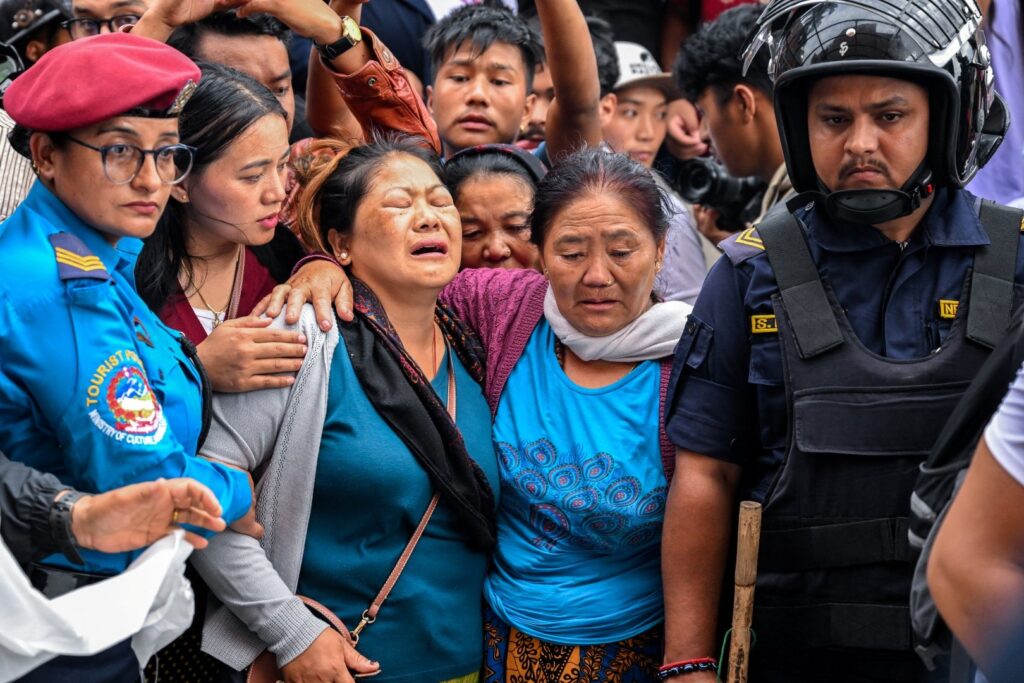
Rescue teams from the Pakistani Alpine Club reached the site within hours, but the depth of the snow and ongoing weather made recovery extremely difficult. After a painstaking search, the bodies were recovered on 12 August, prompting a somber gathering of relatives in Kathmandu to mourn the loss.
Economic ripple: Impact on Nepal’s trekking and remittance flows
Sherpas are the backbone of Nepal’s $1.5 billion trekking industry, and each fatality reverberates through their home villages. According to the Nepal Mountaineering Association, the three men each supported an average household of six, meaning roughly 18 dependants now face an abrupt loss of income.
Remittances from high‑altitude guiding jobs account for about 8 % of Nepal’s foreign exchange earnings. The sudden removal of three earners may appear marginal at a national level, but in the remote districts of Solukhumbu and Manang, such losses can push families below the poverty line and increase migration pressures toward urban centres or overseas work.
Climate change and safety: A growing dilemma for adventure tourism
The avalanche that claimed the three Sherpas fits a pattern identified by a 2025 UN‑DP report: warming winters are creating unstable layers of snow that release with less warning. While the exact trigger for this slide is still under investigation, experts suggest that a rapid temperature swing on 7 August likely weakened the snowpack.
For the tourism sector, the dilemma is stark. On one hand, demand for high‑risk adventure travel is rising among affluent Western and Asian tourists. On the other, the safety net for local guides remains thin, with most relying on informal insurance schemes that do not cover death or long‑term disability.
Global community response: Calls for better protection and support
The mountaineering community reacted swiftly on social media, with the International Federation of Mountain Guides issuing a statement urging expedition operators to invest in avalanche‑training for all staff, not just lead guides. Nepali diaspora groups in the United Kingdom and United States organized fund‑raising drives, raising approximately $45,000 to assist the families of the deceased.
In Pakistan, the Ministry of Tourism announced a review of its permit‑issuing process, promising stricter risk assessments for routes that cross known avalanche corridors. However, critics argue that without a coordinated regional safety protocol, individual national measures will have limited effect.
What’s next: Policy steps and the future of high‑altitude tourism
Stakeholders are now pushing for a trilateral safety framework between Nepal, Pakistan and the broader Karakoram region. Such an agreement would standardise training, share real‑time weather data, and create a joint emergency response fund. The proposed framework is slated for discussion at the South Asian Summit in November 2026.
For the families left behind, the immediate concern is financial stability. The Nepalese government has pledged a one‑time compensation of NPR 500,000 per victim, but many advocates say that longer‑term solutions—such as pension schemes for guides—are essential to prevent future tragedies from turning into economic crises.
Quick Answers
Who were the three Nepali mountaineers killed in the Pakistan avalanche?
The victims were Kili Pemba Sherpa, Gyalu Sherpa, and Nima Sherpa, all experienced high‑altitude guides.
How does the loss of these Sherpas affect Nepal's trekking economy?
Each Sherpa supported multiple family members, so their deaths reduce household incomes and cut remittance flows that help sustain Nepal’s $1.5 billion trekking sector.
What measures are being discussed to improve avalanche safety in the Karakoram?
Experts call for a regional safety framework that includes mandatory avalanche training, shared weather data, and a joint emergency fund for rescue operations.
Source: www.aljazeera.com




💬 Comments 0