Pakistan hospital nursery fire kills 14 newborns in Islamabad, inquiry ordered
The tragedy unfolded in minutes
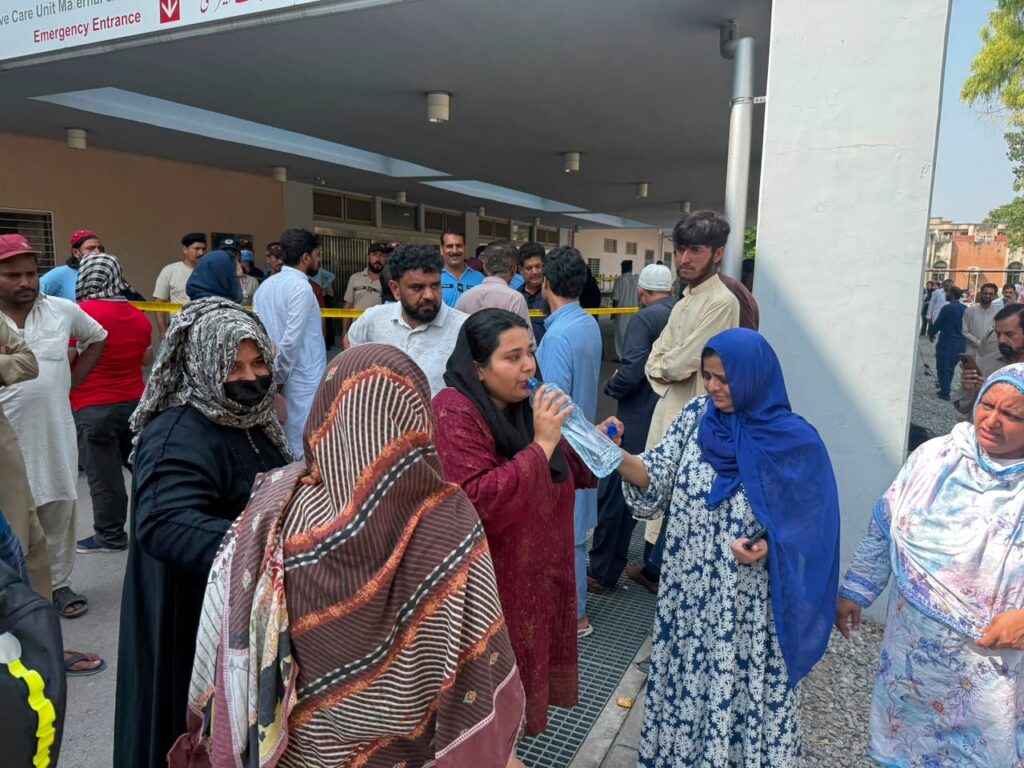
At around 02:30 GMT on Wednesday, a blaze broke out in the neonatal unit of the Federal Government Hospital in Islamabad, the capital of Pakistan. Hospital staff say the fire started in a storage room adjacent to the nursery and quickly spread to the incubators where the infants were being cared for. Emergency responders managed to extinguish the flames within an hour, but fourteen newborns—most of them premature—had already perished, officials confirmed.
Paramedics and hospital workers rushed to evacuate the remaining babies, moving them to a nearby maternity ward that was not equipped for intensive neonatal care. The incident left dozens of mothers traumatized, many of whom had travelled from distant provinces to give birth at the government facility because of its reputation for free services. The Ministry of Health announced an immediate inquiry and pledged compensation for the families, though details of the financial package have not yet been disclosed.
Why the fire raises alarm for health systems
The loss of fourteen newborns is not just a human tragedy; it highlights chronic gaps in safety standards across public hospitals in low‑ and middle‑income countries. Experts note that many government facilities still rely on outdated electrical wiring, inadequate fire‑suppression systems, and overcrowded wards, conditions that make a small spark deadly. According to a 2023 World Health Organization report, more than 40 % of hospitals in South Asia lack basic fire safety equipment, a figure that mirrors challenges seen across sub‑Saharan Africa.
Beyond the physical infrastructure, the incident exposes a deeper mistrust between patients and the public health sector. In Pakistan, where out‑of‑pocket spending on health remains high, families often choose government hospitals for the promise of free care despite known shortcomings. A sudden loss of infants can erode that fragile confidence, potentially driving more patients toward private clinics that are out of reach for the poorest segments of society.
A pattern that echoes across Africa and the diaspora
Similar fires have rocked hospitals in Africa in recent years, most notably the 2022 neonatal unit blaze at a public hospital in Lagos, Nigeria, which claimed the lives of eight babies. In Kenya, a 2021 electrical fire in a maternity ward forced the evacuation of over 30 mothers and prompted a nationwide audit of hospital safety protocols. These incidents share a common thread: underfunded public health facilities struggling to keep pace with rapid urbanisation and increasing demand for specialised care.
For African diaspora communities, such tragedies often trigger a surge in charitable giving and advocacy. Diaspora‑led NGOs have historically stepped in to fund equipment upgrades, training for staff, and community awareness campaigns. The Pakistani fire may therefore inspire parallel fundraising drives among South Asian and African diaspora groups, who see a shared imperative to bolster health infrastructure in their countries of origin.
Government response and the road to accountability
Prime Minister Shehbaz Sharif ordered a fast‑track inquiry, tasking the Ministry of Health and the Pakistan Engineering Council to investigate the cause and recommend corrective measures. Sources say the inquiry will also examine whether the hospital complied with the National Building Code, which mandates fire alarms, sprinkler systems, and regular safety drills for medical facilities.
Civil‑society organisations, however, warn that past inquiries have often resulted in recommendations that were never fully implemented. A spokesperson for the Human Rights Commission of Pakistan noted that “real accountability requires not only identifying the fault line but also allocating budgetary resources for retrofitting older hospitals.” If the government follows through, the incident could become a catalyst for a broader legislative push to modernise health‑sector safety standards, a move that would align Pakistan with recent reforms in Ghana and Rwanda.
What comes next for patients, families, and policymakers
In the short term, families of the victims are likely to seek legal redress and compensation, while NGOs may provide grief counselling and temporary financial assistance. Health‑policy analysts predict that the inquiry’s findings will be used as a benchmark for a new national audit of neonatal units, potentially unlocking international donor funding earmarked for infrastructure upgrades.
Long‑term, the tragedy could reshape how governments allocate health budgets, shifting more resources toward preventive safety measures rather than solely expanding bed counts. For African and South Asian nations watching the fallout, the incident underscores a universal lesson: investing in fire‑safety technology and staff training can save lives that no amount of medical expertise can recover.
Quick Answers
How many newborns died in the Islamabad hospital fire?
Fourteen newborns were reported dead after the fire broke out in the neonatal unit.
What steps is the Pakistani government taking after the fire?
The government has ordered an immediate inquiry, involving the Ministry of Health and the Pakistan Engineering Council, and promised compensation for the affected families.
Are similar hospital fires common in South Asia and Africa?
Yes, comparable incidents have occurred in Nigeria, Kenya and other low‑income countries, often linked to outdated infrastructure and insufficient safety systems.
Source: www.npr.org




💬 Comments 0