Panama magnitude 7.7 quake rattles Canal, threatens African exports and diaspora
Background: Panama’s seismic risk and the Canal’s global role
Panama sits on the Caribbean Plate’s edge, where the Cocos and Nazca plates converge, making the region prone to powerful tremors. While the country has experienced several moderate quakes in the past, a magnitude 7.7 event is rare and exceeds the threshold that typically triggers structural damage to critical infrastructure. The Panama Canal, completed in 1914, remains one of the world’s busiest maritime shortcuts, handling roughly 5% of global trade volume each year. Its locks, bridges and adjoining port facilities are engineered to withstand seismic forces, but a quake of this size tests those safeguards.
Beyond the canal, Panama’s economy is tightly linked to global supply chains. The nation exports copper, bananas, and seafood, while importing machinery, pharmaceuticals and consumer goods destined for Central and South American markets. Any interruption at the canal can ripple through shipping lanes, affecting freight schedules, insurance premiums and the cost of goods worldwide. For African nations that rely on the canal to move minerals from the Congo basin or agricultural produce from West Africa to Asian markets, the stakes are especially high.
The 7.7 quake: what we know so far
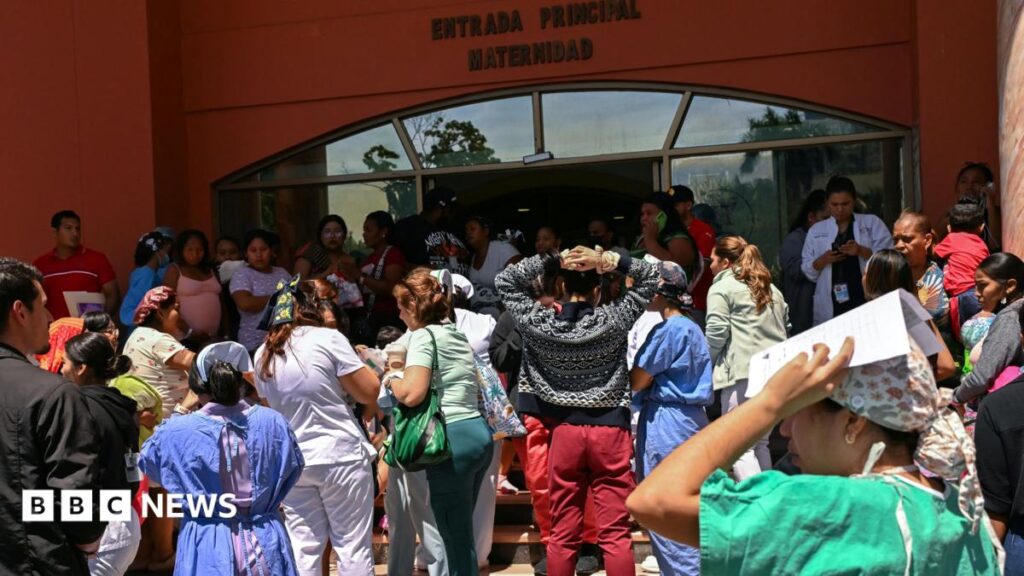
The quake struck at 02:14 GMT on October 10, with its epicenter located about 30 km southeast of Panama City. Early reports from the National Institute of Seismology in Panama confirmed a shallow focus of 15 km, a factor that amplifies ground shaking. Video footage shared on social media shows cracked walls, toppled streetlights and a few collapsed residential blocks in the capital’s outskirts. Emergency services have activated the national disaster plan, deploying over 2,000 responders to assess damage and provide medical aid.
Tsunami warnings were quickly issued for neighboring coasts in Costa Rica, Colombia and the Caribbean islands, though subsequent measurements indicated wave heights below the alert threshold. The Panamanian government has declared a state of emergency for the next 72 hours, allowing the military to assist with logistics and to secure the canal’s access points. According to the Panama Canal Authority, preliminary inspections of the Miraflores and Pedro Miguel locks showed no structural compromise, but a full engineering audit will take several days.
Why African economies should care
African exporters of copper, cobalt and manganese—most of which travel from the Democratic Republic of Congo to Asian factories via the Atlantic and then the Panama Canal—could face delayed shipments if the canal’s operation is halted for even a short period. Shipping analysts estimate that a 48‑hour suspension can add $1‑2 million per vessel in demurrage costs, a burden that ultimately falls on producers and, by extension, on African consumers through higher commodity prices.
In West Africa, countries such as Ghana and Ivory Coast that ship cocoa and palm oil through the canal may see contract penalties if delivery windows are missed. Freight forwarders have already warned of a potential spike in spot rates, with some quoting a 15‑20% increase for Panama‑to‑Asia routes. Insurance firms are also revisiting their risk models; a recent statement from African Reinsurance Company noted that “natural‑disaster exposure in key maritime chokepoints is being reassessed after the Panama event.”
Furthermore, the quake underscores the vulnerability of global logistics to single‑point failures. African policymakers have long advocated for diversified trade corridors, including the development of Atlantic ports in Nigeria and Angola that could bypass the canal for certain routes. The current disruption may accelerate investment discussions around rail links to the Gulf of Guinea, a strategic shift that could reshape export patterns over the next decade.
Diaspora ties and humanitarian response
Panama is home to a sizable Afro‑Panamanian community, many of whose ancestors arrived via the trans‑Atlantic slave trade. The community maintains cultural links with Caribbean nations and, increasingly, with African diaspora organisations in the United States and Europe. In the quake’s aftermath, several Afro‑Panamanian NGOs have reached out to diaspora groups for emergency funds, highlighting a cross‑continental solidarity that often goes unnoticed in Western coverage.
African charitable foundations based in Lagos and Nairobi have pledged to contribute to relief efforts, citing the shared heritage and the need for “pan‑African compassion.” According to a statement from the Nigerian Diaspora Trust Fund, a portion of its emergency pool will be directed toward temporary shelters and medical supplies for the most affected neighbourhoods. Such collaboration not only provides immediate aid but also strengthens networks that could be mobilised for future crises, whether natural or humanitarian.
What comes next: shipping, insurance and policy implications
The Panama Canal Authority has pledged to publish a detailed engineering report within the week, aiming to reassure shippers that the waterway remains safe for transit. In the interim, major carriers are rerouting a fraction of their vessels around the Cape of Good Hope, a longer but proven alternative. This detour adds roughly 10‑12 days to a voyage from the Gulf of Guinea to Shanghai, inflating fuel consumption and carbon emissions—issues that African climate ministries have been warning about for years.
Insurance markets are already adjusting premiums for “Canal‑related” peril clauses. African insurers, many of which underwrite cargo for local exporters, are expected to pass a modest portion of these higher costs onto their clients. At the policy level, the quake may catalyse discussions at the African Union’s Trade and Industry Committee about creating a regional strategic reserve of essential goods, reducing dependence on single maritime corridors.
Finally, the event offers a reminder of the interconnectedness of global infrastructure. While the immediate focus is on rescue and reconstruction in Panama, the ripple effects will be felt in African ports, boardrooms and households. Monitoring the canal’s operational status over the next few weeks will be essential for businesses and governments alike, as they balance the urgency of trade continuity with the realities of a world increasingly exposed to natural shocks.
Quick Answers
Will the Panama Canal close after the magnitude 7.7 earthquake?
The Panama Canal Authority says the locks are currently operational, but a full safety inspection is underway and could lead to temporary closures if damage is found.
How could the quake affect African exporters?
Delays or closures at the canal can increase shipping times and costs for African commodities bound for Asia, potentially raising prices for exporters and consumers.
Are there any African diaspora groups helping in Panama’s relief efforts?
Yes, several African‑based charities and diaspora organisations have pledged financial and material support for shelters and medical aid in Panama.
Source: www.bbc.co.uk




💬 Comments 0