Paris & Marseille tear‑gas school protests 2026: teens demand more funding
Background: Growing discontent in French schools
Since the start of the academic year, students across France have taken to the streets demanding better resources, smaller class sizes and more mental‑health support. The grievances intensified after the Ministry of Education announced budget cuts that would affect extracurricular programs and school maintenance, prompting a wave of sit‑ins in secondary schools from Lyon to Nice.
The protests are largely driven by teenagers, many of whom are preparing for the national baccalauréat exams. According to Le Monde, the frustration stems not only from funding shortfalls but also from a perception that the state is ignoring the daily realities of crowded classrooms and outdated facilities.
Escalation: Tear gas in Paris and Marseille
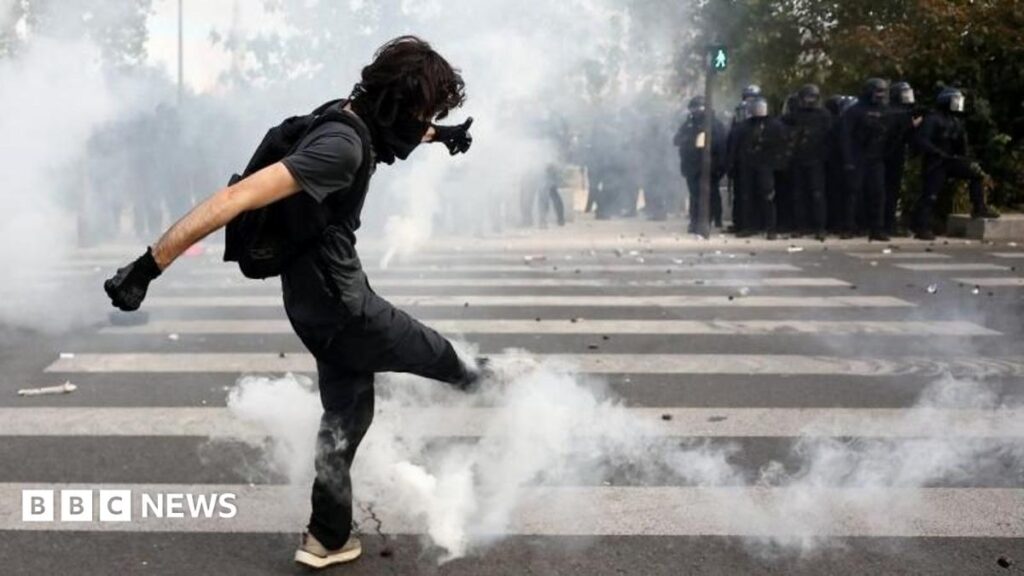
On October 5, police in Paris deployed tear gas to disperse a crowd of around 1,200 students gathered outside the Lycée Henri-IV. The forceful response was mirrored two days later in Marseille, where a similar demonstration at the Lycée Thiers ended with officers using pepper spray and baton charges after a small group attempted to block a police van.
Witnesses reported that the police justified the use of chemical agents as a measure to prevent “violent escalation,” though no injuries were reported beyond minor eye irritation. Human rights NGOs, including Amnesty International, condemned the tactics as disproportionate, urging the French interior ministry to review crowd‑control protocols.
Why it matters: Education funding and social cohesion
The protests highlight a broader tension in French public policy: balancing fiscal restraint with the need to maintain a robust, equitable education system. A 2024 OECD report warned that France’s per‑pupil spending lags behind its European peers, a gap that can exacerbate socioeconomic divides.
When young people feel unheard, the risk of alienation grows, potentially feeding into broader unrest. Analysts at the French Institute of Public Affairs note that school protests have historically been a bellwether for larger social movements, from the 1968 student uprisings to the recent “yellow‑vests” demonstrations.
Impact on African diaspora and immigrant communities
A significant proportion of the demonstrators are children of immigrants from West and Central Africa, many of whom attend schools in the most under‑funded districts of Paris and Marseille. According to a study by the Institut Montaigne, students of African descent are three times more likely to be placed in overcrowded classrooms than their white peers.
The protests have therefore resonated within the African diaspora, sparking debates on social media platforms like X and WhatsApp about systemic bias in French education. Community leaders argue that the same budget cuts that affect French students also jeopardise French‑language programmes designed to help recent migrants integrate successfully.
Reactions from unions, politicians and civil society
The teachers’ union CGT issued a statement calling the police action “a stark reminder that the state is treating education as a battlefield rather than a public good.” Meanwhile, Education Minister Pap Ndiaye defended the ministry’s stance, saying the government is “committed to a responsible fiscal path while still prioritising the needs of pupils.”
Civil‑society groups have organized a parallel rally scheduled for October 12, demanding an independent audit of school funding and an end to police intimidation. The rally is expected to draw participants from student unions, parents’ associations and NGOs focused on youth rights.
What could happen next: Policy and protest outlook
If the government does not address the funding gap, experts predict that the protests could spread to other major cities such as Lille and Strasbourg, potentially prompting a national strike by students and teachers. A source close to the Ministry of Education told Le Figaro that a revision of the 2025 budget is being considered, though details remain confidential.
International observers are watching closely, as the unrest may influence France’s broader political climate ahead of the 2027 presidential election. The outcome could shape how future administrations balance austerity measures with social investments, especially in sectors that directly affect youth and minority communities.
Quick Answers
Why did French police use tear gas on school protesters?
Police said they used tear gas to prevent a small group from blocking a police vehicle, but human‑rights groups called the response disproportionate.
Which communities are most affected by the French school funding cuts?
Students in under‑funded urban districts, especially those of African immigrant background, face larger class sizes and fewer resources.
What are the chances of a nationwide student strike in France?
Analysts say the risk is high if the government does not adjust the education budget, as unions have already signalled readiness to mobilise.
Source: www.bbc.co.uk




💬 Comments 0