Perez Hilton self-harm livestream sparks global influencer mental health debate, 2026
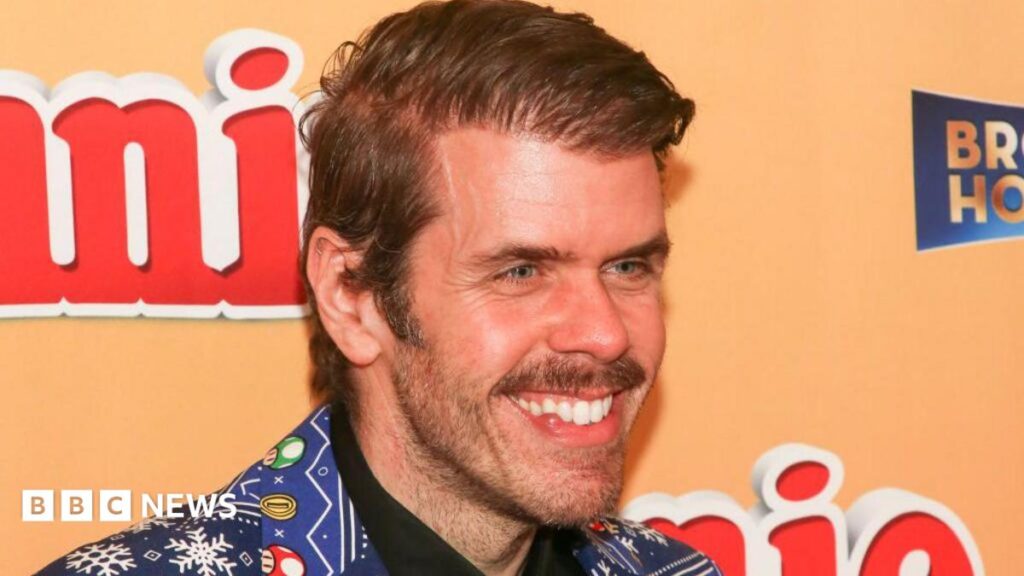
Who is Perez Hilton and why his story matters
Michael "Perez Hilton" Kovacs rose to fame in the early 2000s as a gossip blogger who turned celebrity rumors into a daily news feed. His flamboyant style and willingness to break stories made him a staple of American pop culture, and he later expanded into television, music, and a podcast empire. Over the years, Hilton has been both praised for his entrepreneurial drive and criticized for invasive reporting, a duality that kept him constantly in the public eye.
Beyond the headlines, Hilton has spoken sporadically about his own mental‑health struggles, mentioning bouts of depression and anxiety in interviews and on social media. Those admissions were often brushed aside as part of his larger persona, but they hinted at a deeper vulnerability that many influencers share yet rarely discuss openly. The pressure to maintain relevance while managing personal demons has become a recurring theme in the digital age.
In August 2026, Hilton’s personal crisis erupted on a live‑stream platform, where he displayed self‑harm behavior before abruptly ending the broadcast. His family released a statement confirming that he was taken to a hospital in a "serious but stable" condition. The incident instantly ignited a firestorm of reactions across media outlets, mental‑health advocates, and fellow content creators.
The livestream incident and immediate fallout
The livestream, which lasted roughly ten minutes, showed Hilton in a distressed state, using a sharp object on his arm while narrating his feelings of hopelessness. Viewers reported the stream in real time, prompting the platform to cut the feed and alert emergency services. Within an hour, the video was removed from the site, but not before thousands of screenshots and short clips circulated on other social networks.
Family members, speaking through a spokesperson, said that Hilton was admitted to a regional medical center where doctors described his condition as serious yet stable, emphasizing that he was receiving intensive psychiatric care. They asked for privacy and urged the public to refrain from speculation, while also highlighting the need for better support systems for people in the entertainment industry.
The incident also triggered an immediate response from the streaming platform, which announced a review of its real‑time monitoring tools and pledged to collaborate with mental‑health NGOs to improve crisis‑intervention protocols. Critics, however, argued that the platform’s actions were reactive rather than preventive, pointing to a pattern of similar emergencies that have gone unaddressed for years.
Why the episode matters for the influencer ecosystem
Hilton’s public breakdown underscores a growing crisis: influencers are increasingly treated as 24‑hour brands, with algorithms rewarding constant engagement over personal well‑being. The relentless need to produce content, respond to comments, and stay ahead of trends creates a high‑stress environment that can exacerbate underlying mental‑health conditions. According to a 2025 study by the Influencer Wellness Institute, more than 40 % of creators report burnout, and nearly one‑third have considered self‑harm at some point.
The livestream also raises questions about platform responsibility. While most major services claim to have safety nets, the speed at which harmful content spreads often outpaces detection algorithms. After the incident, advocacy groups such as the Digital Compassion Coalition called for mandatory mental‑health check‑ins for creators who reach certain follower thresholds, arguing that the industry should treat mental health as a core compliance metric, not an optional add‑on.
From a broader cultural perspective, the event forces a reevaluation of how society consumes celebrity distress. Audiences tend to voyeuristically follow a star’s downfall, yet rarely engage with the systemic factors that drive such behavior. By framing Hilton’s crisis as a symptom of an unsustainable digital labor model, journalists and policymakers can shift the conversation from sensationalism to structural reform.
The African and diaspora lens: parallels and lessons
While Perez Hilton is an American figure, the pressures he faced resonate strongly with African content creators who navigate similar expectations on platforms like TikTok, YouTube, and local streaming services. In Nigeria, for example, a 2024 survey by the African Creators Guild found that 28 % of top‑earning influencers reported severe anxiety linked to follower count fluctuations and brand‑deal deadlines. The stigma surrounding mental health in many African societies often prevents creators from seeking professional help, leading them to rely on informal networks that may not be equipped to intervene.
Recent incidents in South Africa and Kenya—where popular vloggers posted distressing videos before disappearing from the public eye—have sparked local debates about the need for mental‑health resources tailored to digital creators. Some regional tech hubs are now piloting “creator wellness rooms” that offer on‑site counseling and crisis hotlines, a model that could be scaled across the continent if supported by governments and private investors.
The diaspora adds another layer: African creators living abroad often juggle cultural expectations from home communities while trying to break into Western markets. This dual pressure can magnify feelings of isolation. Organizations such as the Diaspora Digital Wellness Network are lobbying for cross‑border collaborations that bring culturally competent therapists into the influencer support ecosystem, ensuring that help is linguistically and contextually relevant.
What could happen next: policy, platform, and personal outcomes
In the weeks ahead, several legislative bodies in the United States are expected to debate bills that would require social‑media companies to implement real‑time mental‑health alerts for livestreams featuring self‑harm or suicidal behavior. If passed, these laws could set a global precedent, prompting platforms to adopt similar standards in Africa and elsewhere, where regulatory frameworks are still nascent.
For Hilton himself, the road to recovery will likely involve a combination of psychiatric treatment, digital detox, and a carefully managed public narrative. Industry insiders suggest that his team may re‑brand his online presence to focus on advocacy, turning his personal crisis into a platform for mental‑health education—a move that could both rehabilitate his image and provide a valuable resource for fans.
Finally, the incident may catalyze a shift in how audiences engage with influencer content. As mental‑health literacy improves, viewers might become more attuned to signs of distress and more willing to report harmful streams. In turn, creators could feel empowered to set boundaries, schedule regular breaks, and demand platform support without fearing loss of relevance. The hope is that Hilton’s painful episode becomes a turning point rather than a tragic footnote.
Quick Answers
What exactly happened to Perez Hilton in August 2026?
He livestreamed himself self‑harming, after which he was taken to a hospital and is reported to be in a serious but stable condition.
How might this incident affect other social media influencers?
It could push platforms to strengthen real‑time mental‑health monitoring and encourage creators to seek professional support, reducing the risk of similar crises.
Why is Perez Hilton's case relevant to African creators and the diaspora?
The pressures that led to his breakdown mirror those faced by African influencers, highlighting a continent‑wide need for culturally aware mental‑health resources and policy reforms.
Source: www.bbc.co.uk




💬 Comments 0