Philippines school shooting kills 3, injures 8 – third incident since June 2026
A troubling rise in school violence
The Philippines has long been known for its vibrant classroom culture, but the last few months have shattered that image. Since June 2026 the country has recorded three separate school shootings, a spike that outpaces any comparable wave in the nation’s recent history. Prior to this year, incidents involving firearms on school grounds were rare and usually limited to isolated personal disputes rather than coordinated attacks.
Experts point to a confluence of factors: the proliferation of illegal small arms, a surge in gang activity in urban peripheries, and a weakening of local law‑enforcement presence in some provinces. According to a report by the Asian Institute for Security Studies, the Philippines now ranks among the top ten Southeast Asian nations for civilian firearm seizures, a statistic that mirrors the uptick in school‑related violence.
The education ministry has warned that the psychological impact on students could be long‑lasting, noting that trauma can translate into higher dropout rates and reduced academic performance. Parents across the archipelago are demanding urgent reforms, while teachers’ unions are calling for increased security budgets and mandatory crisis‑response training.
What happened at the latest attack
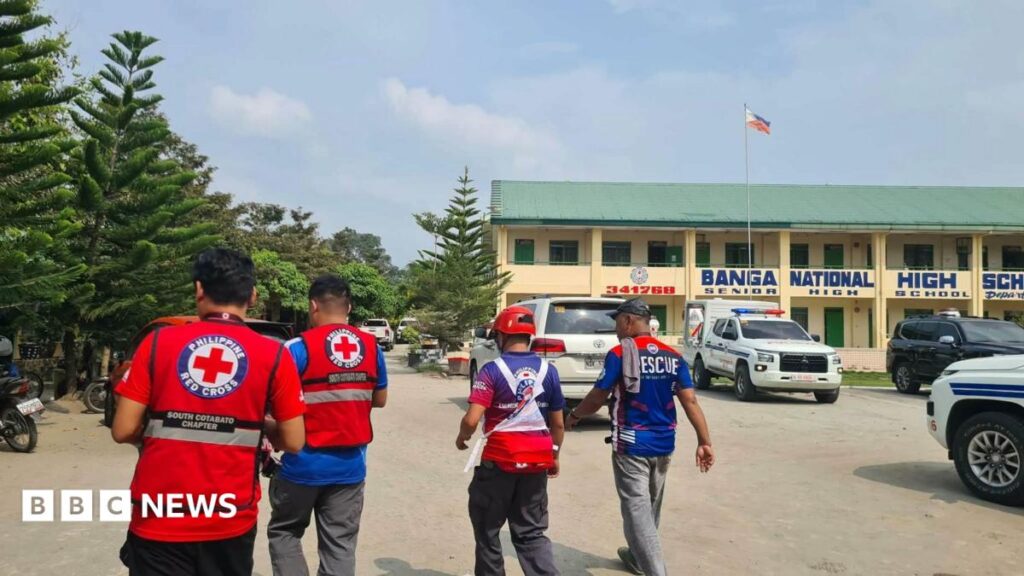
The most recent shooting occurred on September 16 at a public high school in the province of Laguna, located just south of Manila. Witnesses said a lone gunman entered the campus during a morning assembly, opening fire before being subdued by security personnel. The assailant, whose identity has not been released, was among the three people killed in the exchange.
Eight students sustained injuries ranging from minor shrapnel wounds to serious gunshot trauma. The injured were rushed to nearby hospitals, where three remain in intensive care. The school’s principal announced a temporary suspension of classes while authorities conduct a forensic investigation and clean up the scene.
Police recovered two semi‑automatic rifles and a cache of ammunition, suggesting the shooter had pre‑planned the attack. Early statements from the National Police Commission indicate that the weapons may have been linked to a broader illegal firearms network that supplies both criminal gangs and insurgent groups in Mindanao.
Regional ripple effects: why Southeast Asia is watching
The Philippines is not the only country in the region grappling with school safety concerns. Thailand, Malaysia and Indonesia have all reported isolated incidents of armed intrusions in educational settings over the past year. Security analysts argue that the Philippines’ situation could serve as a warning sign for neighboring governments that have traditionally prioritized counter‑terrorism over domestic school security.
Regional bodies such as the Association of Southeast Asian Nations (ASEAN) have begun to discuss a coordinated response, including shared intelligence on illegal arms trafficking and joint training for school security staff. According to a briefing by ASEAN’s security forum, a draft protocol is expected to be tabled at the next summit in Bangkok, aiming to standardise emergency response procedures across member states.
For investors, the unrest introduces a new risk factor. The World Bank’s latest country risk assessment notes that rising school violence could affect the Philippines’ human‑capital rating, potentially slowing foreign direct investment in sectors that rely on a stable, educated workforce, such as technology outsourcing and business process services.
African diaspora and Filipino‑African ties feel the shock
While the incident is geographically distant from Africa, it reverberates among the sizable African diaspora living in the Philippines. The country hosts a growing community of Nigerian students and professionals who have chosen Manila for its English‑language universities and burgeoning tech scene. Community leaders say the shootings have sparked anxiety about personal safety and the future of their children’s education.
African embassies in Manila, including Nigeria’s, have issued advisories urging citizens to stay informed about security updates and to cooperate with local authorities. In a statement to the African Press Agency, the Nigerian High Commission emphasized that the government is monitoring the situation closely and will provide consular assistance to any affected nationals.
Beyond immediate safety concerns, the events could influence migration patterns. Some African families are now reconsidering plans to send children to Philippine schools, opting instead for institutions in Kenya or South Africa that are perceived as safer. This shift, if it materialises, may affect tuition revenues for private Philippine schools that have historically marketed themselves to African and other international students.
Policy response: tightening guns and bolstering school security
President Marcos Jr. convened an emergency meeting of the cabinet on September 17, pledging a “zero‑tolerance” stance on firearms in educational environments. The administration announced a fast‑track legislative package that would increase penalties for illegal gun possession and allocate additional funds for metal‑detector installations in high‑risk schools.
Critics argue that the proposed measures may not address the root causes of the violence, such as poverty‑driven gang recruitment and the porous border with neighboring countries where weapons are smuggled. Human‑rights groups have warned that harsher gun laws could inadvertently lead to more aggressive policing in low‑income neighbourhoods, exacerbating tensions between communities and law enforcement.
Meanwhile, the Department of Education has launched a pilot program in three provinces, deploying trained security officers and introducing mandatory lockdown drills for students. Early feedback from pilot schools indicates a modest increase in perceived safety, though teachers stress that psychological support services are equally essential to help students process trauma.
What lies ahead: safeguarding the next generation
The coming months will be crucial in determining whether the Philippines can break the cycle of school shootings. Successful implementation of stricter gun controls, coupled with community‑based violence‑prevention programmes, could restore confidence among parents and investors alike. Conversely, a failure to curb illegal firearms could see the country joining a disturbing global trend where schools become inadvertent battlefields.
For African students and other expatriates, the key will be staying informed through embassy alerts and university safety portals. Many are already forming peer‑support networks that share real‑time updates on campus security, a practice that mirrors similar initiatives in South African universities where student‑led safety committees have proved effective.
Ultimately, the tragedy underscores a universal truth: the safety of schools is not a local issue but a global one. As nations grapple with the balance between liberty and security, the lessons from the Philippines may shape policy debates far beyond Southeast Asia, influencing how governments worldwide protect their youngest citizens.
Quick Answers
How many people were killed and injured in the latest Philippines school shooting?
Three people, including the gunman, were killed and eight students were injured.
Is this the first school shooting in the Philippines?
No, it is the third school shooting recorded in the country since June 2026.
What measures is the Philippine government considering after the attack?
The government is drafting stricter gun‑possession penalties, funding metal detectors for schools, and expanding security‑personnel training.
Source: www.bbc.co.uk


💬 Comments 0