Philippines solar boom 2026: rooftop panels surge as Iran war spikes energy costs
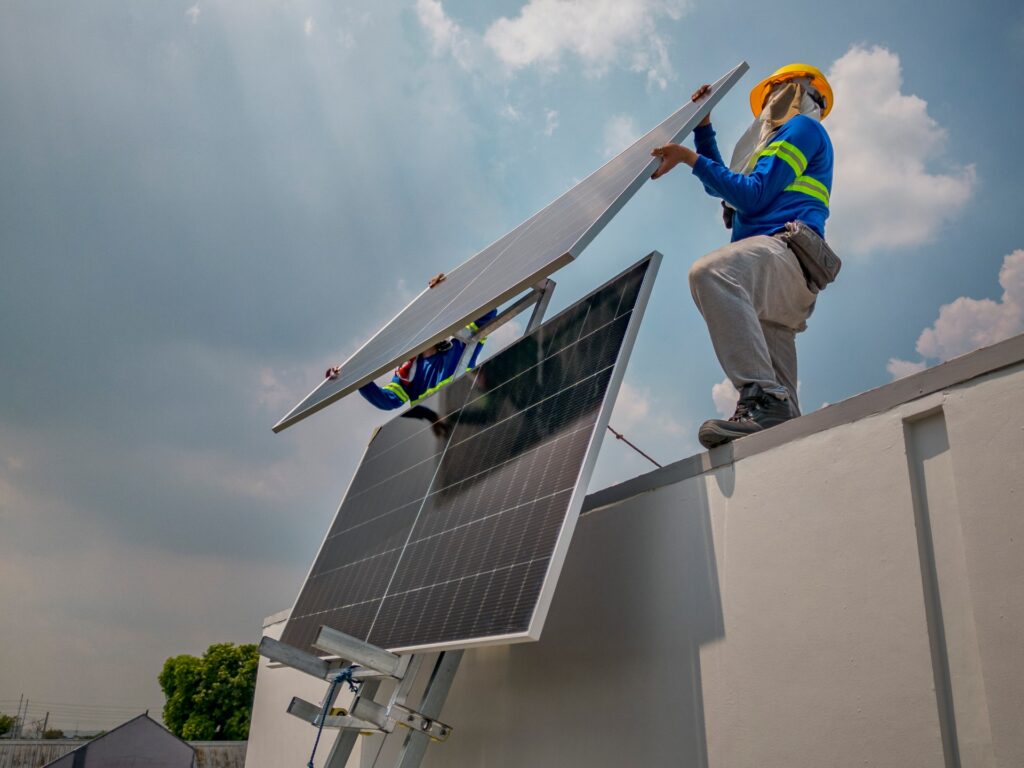
Rising energy costs in the Philippines: the backdrop
In early 2026, the Philippines saw its average household electricity bill climb to a record 13,500 pesos per month, a jump of roughly 18 percent from the previous year. The surge was driven largely by the fallout from the renewed conflict in Iran, which sent crude oil prices soaring above $120 a barrel and pushed the cost of imported fuel for power plants to historic highs.
The Department of Energy (DOE) confirmed that the country’s power mix, still heavily reliant on coal and natural‑gas‑fired plants, felt the pinch as fuel contracts were renegotiated at higher rates. While the government pledged subsidies for low‑income families, the relief was limited, prompting many urban and suburban households to look for alternatives that could tame their monthly outgoings.
At the same time, the Philippines’ ambitious renewable‑energy targets – 35 % of generation from renewables by 2030 – were already under pressure from bureaucratic delays and a shortage of skilled installers. The spike in electricity costs, however, acted as a catalyst, turning the public conversation from long‑term policy goals to immediate, tangible solutions.
The solar surge: rooftop panels take off
Within months of the price shock, the Solar Energy Association of the Philippines (SEAP) reported a 42 % increase in new rooftop‑solar contracts compared with the same period in 2025. More than 250,000 households signed up for systems ranging from 1‑kilowatt (kW) kits for modest apartments to 5‑kW installations for middle‑class villas.
Financing played a pivotal role. Banks such as BDO and Metrobank rolled out low‑interest loans specifically for solar, while the government’s Green Energy Financing Facility (GEFF) offered a 5‑year grace period on repayments. In addition, the net‑metering scheme, which allows surplus power to be sold back to the grid at the prevailing retail rate, became a compelling revenue stream for early adopters.
Manufacturers based in China and Malaysia, which dominate the Southeast Asian solar‑panel market, quickly ramped up supply to meet the demand. Local assemblers in Batangas and Laguna also expanded capacity, creating an estimated 12,000 new jobs in the supply chain over the past six months.
Why the shift matters for the region and beyond
The Philippine experience underscores a broader regional pattern: rising geopolitical risk is translating into faster adoption of distributed renewable energy. Neighboring Indonesia and Vietnam have reported similar upticks in rooftop‑solar inquiries, suggesting that the cost‑of‑oil shock is reshaping consumer behavior across the Indo‑Pacific.
Economically, the shift could reduce the country’s import bill for fossil fuels by an estimated $1.2 billion annually, according to a study by the Asian Development Bank. That savings could be redirected toward infrastructure, health, or education, easing the fiscal strain caused by higher energy subsidies.
Environmentally, the added solar capacity is expected to shave about 3.5 million tonnes of CO₂ emissions from the power sector each year. While still a fraction of the nation’s total emissions, the figure represents a tangible step toward the climate commitments made under the Paris Agreement.
Implications for African markets and the diaspora
African investors have taken note. The surge in Philippine rooftop installations has opened a niche for firms that specialize in affordable, modular solar kits – a market segment that mirrors the needs of many African households where grid reliability remains low. Kenyan startup M-KOPA and Nigeria’s Green Energy & Climate Solutions have already expressed interest in partnering with Philippine distributors to co‑develop low‑cost systems for both markets.
The diaspora angle is equally significant. Filipino communities in the United States and Canada are channeling remittances into solar projects back home, a trend echoed by African diaspora groups who fund renewable‑energy ventures in Ghana, Tanzania and South Africa. These cross‑border flows illustrate how diaspora capital can accelerate clean‑energy transitions in emerging economies.
Supply‑chain analysts also warn that the rapid expansion could tighten global demand for photovoltaic panels, potentially driving up prices for African buyers. However, the increased production capacity in Southeast Asia may eventually lower unit costs, benefitting African countries that are scaling up their own solar programmes, such as Ethiopia’s 2‑GW solar park plan.
What’s next: policy, investment and challenges
The Philippine government has signaled its intent to streamline permitting for rooftop projects, aiming to cut approval times from an average of 120 days to under 60. A draft amendment to the Renewable Energy Act, expected to be tabled in the Senate later this year, would also broaden the net‑metering tariff ceiling, making solar even more financially attractive.
Private‑sector investors are eyeing the market’s growth potential. Venture‑capital firms based in Singapore and Hong Kong have earmarked $250 million for a regional “solar‑as‑a‑service” platform that could bundle financing, installation and maintenance for households across the Philippines, Indonesia and Thailand.
Nonetheless, challenges remain. Grid stability is a concern as the influx of intermittent solar power could strain the aging transmission network. Experts from the University of the Philippines Institute of Energy advocate for complementary investments in battery storage and smart‑grid technologies to ensure that the renewable surge does not compromise reliability.
Quick Answers
What caused the rise in electricity bills in the Philippines in 2026?
The surge was triggered by higher global oil prices after the war on Iran, which raised fuel costs for the country’s coal and gas power plants.
How many new rooftop solar installations were added in the Philippines in early 2026?
The Solar Energy Association of the Philippines reported a 42 % increase, equivalent to roughly 250,000 new household contracts.
What opportunities does the Philippine solar boom present for African investors?
It opens a market for affordable modular solar kits, joint ventures with local distributors, and diaspora‑funded projects that can be replicated in African countries facing similar energy‑cost pressures.
Source: www.aljazeera.com




💬 Comments 0