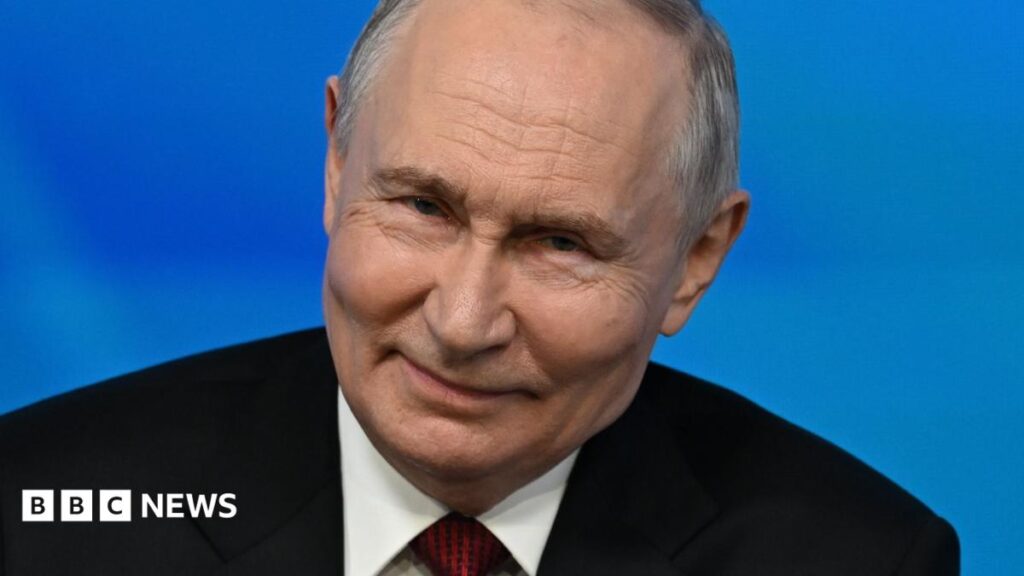
Putin warns West Russia will use all weapons to defend Kaliningrad enclave, 2026
Background: Why Kaliningrad matters to Moscow and the West
Kaliningrad, a Russian exclave sandwiched between Poland and Lithuania on the Baltic Sea, has long been a flashpoint for NATO‑Russia tensions. Though it covers only about 15,000 square kilometres, the region hosts the Baltic Fleet, advanced air‑defence systems and a network of missile sites that can reach deep into Europe. Since NATO’s 2022 decision to bolster its eastern flank, the alliance has deployed additional troops and missile batteries in the Baltic states, prompting Moscow to label the moves as “provocations” that threaten its territorial integrity.
The enclave’s strategic value goes beyond military hardware; it serves as a symbolic outpost of Russian sovereignty in the heart of Europe. In recent years, Western leaders have repeatedly warned that any escalation in Kaliningrad could trigger a broader conflict, while Russia has countered that it will not abandon the territory. This tug‑of‑war set the stage for President Vladimir Putin’s latest warning, delivered in a televised address on October 1, 2026.
What Putin said: “Every weapon” is on the table
In his speech, Putin insisted that Moscow is “not threatening anyone” but is simply responding to “unjustified statements” from Western capitals. He declared that Russia is prepared to use “all available weapons” – ranging from conventional artillery to nuclear‑capable systems – to defend Kaliningrad if it perceives a direct threat. The Kremlin’s press office later clarified that the phrase “every weapon” refers to the full spectrum of defensive capabilities, not an offensive plan to strike NATO members.
Analysts at the International Institute for Strategic Studies interpreted the warning as a calibrated signal aimed at deterring further NATO deployments near the exclave. According to a senior NATO official quoted by Reuters, the alliance is monitoring the rhetoric closely but does not see it as an immediate trigger for escalation. Nonetheless, the statement has revived concerns in Warsaw and Vilnius about the risk of miscalculation.
Why it matters for Africa: arms, energy and diplomatic ties
African states that maintain defence contracts with Russia – such as Algeria, Egypt and the Central African Republic – watch Moscow’s military posture with a pragmatic eye. Russia’s willingness to showcase its full arsenal in Kaliningrad signals that it may be prepared to export high‑end weapons, including air‑defence and electronic‑warfare systems, to friendly regimes on the continent. This could reshape regional security equations, especially in the Sahel where Russian‑supplied arms have already altered the balance between state forces and insurgent groups.
Energy markets are another conduit linking Kaliningrad’s fate to Africa. Europe’s reliance on Russian gas has been waning since the 2022 sanctions, but the Baltic Sea routes that pass near Kalinese ports still affect the flow of liquefied natural gas (LNG) to African exporters such as Nigeria and Mozambique. Any disruption caused by heightened military activity could tighten global LNG supplies, pushing up prices and straining African economies that depend on export revenues to fund infrastructure projects.
Broader pattern: Russia’s ‘global deterrence’ playbook
Putin’s Kaliningrad warning fits a larger trend of Moscow using regional flashpoints to project a narrative of global deterrence. In the past year, Russia has issued similar statements about its bases in Syria, its naval presence in the Black Sea and its satellite facilities in the Arctic. By emphasizing readiness to deploy “all weapons,” the Kremlin aims to convey that any challenge to its interests, no matter how distant, will be met with a unified response.
The pattern mirrors earlier Russian tactics in the 2010s, when Moscow used the annexation of Crimea and the conflict in eastern Ukraine to justify a surge in arms exports to Africa and the Middle East. The current Kaliningrad rhetoric may therefore be a prelude to a new wave of military‑technology deals, as African governments seek alternatives to Western equipment amid growing budget constraints.
What’s next: diplomatic pathways and risk management
The immediate outlook hinges on whether Western leaders will temper their Baltic deployments or double down on reassurance measures. NATO’s upcoming summit in Brussels, scheduled for November 2026, is expected to address the Kaliningrad issue directly, possibly by offering a transparent verification regime for military activities on both sides. Such confidence‑building steps could lower the risk of accidental escalation that would reverberate far beyond Europe.
For African policymakers, the key takeaway is to diversify security partnerships and to monitor any shift in Russian arms‑export policy that could affect regional stability. Civil‑society groups in Nigeria and Kenya have already called for greater transparency on arms imports, urging governments to weigh the long‑term implications of aligning with a power that openly threatens to use nuclear‑capable weapons. In the energy arena, African LNG producers are urged to engage with European buyers on contingency plans that mitigate price spikes should Baltic Sea tensions disrupt shipments.
Quick Answers
What did Putin mean by saying Russia will use “every weapon” to protect Kaliningrad?
He meant that Russia is prepared to employ its full range of defensive capabilities, from conventional artillery to nuclear‑capable systems, if it feels the enclave is under direct threat.
How could the Kaliningrad standoff affect African countries?
It could lead to new Russian arms deals with African states, alter regional security balances, and potentially disrupt Baltic Sea LNG routes that supply African exporters.
Is NATO planning to increase its presence near Kaliningrad?
NATO has already reinforced its eastern flank, and further deployments are likely to be discussed at the November 2026 summit, but no official expansion has been announced yet.
Source: www.bbc.co.uk




💬 Comments 0