Ratko Mladić dies at 84: What his death means for Balkan justice and African war‑crime courts in 2026
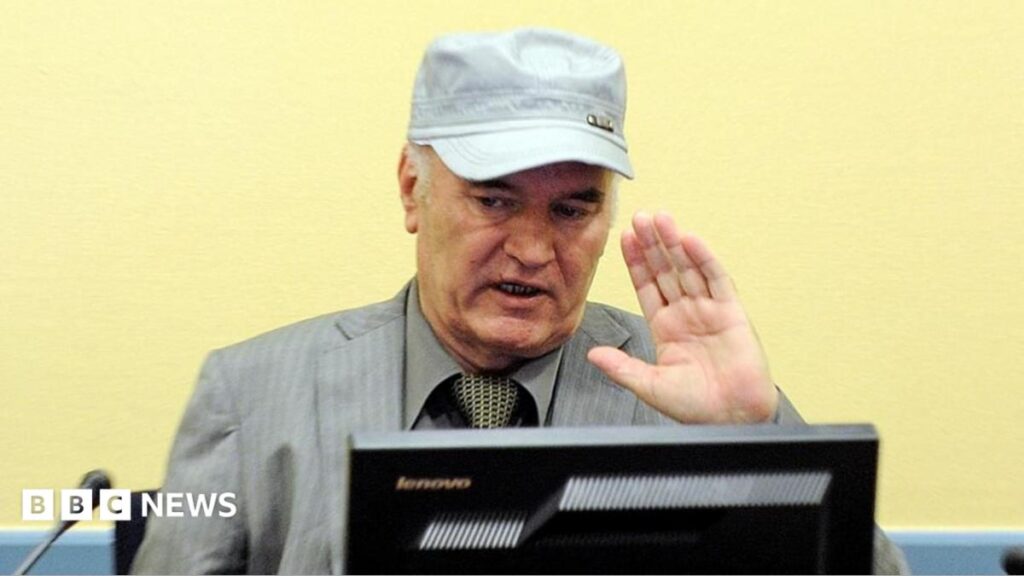
Background: The Bosnian War and Mladić’s Role
The Bosnian War (1992‑1995) erupted as Yugoslavia disintegrated, pitting Bosniaks, Croats and Bosnian Serbs against each other in a conflict marked by ethnic cleansing and siege warfare. As commander of the Army of Republika Srpska, Ratko Mladić oversaw operations that resulted in the Srebrenica massacre, where more than 8,000 Bosniak men and boys were killed, and the prolonged siege of Sarajevo that left thousands dead and the city under constant artillery fire.
Mladić earned the nickname “Butcher of Bosnia” for his ruthless tactics, which included the use of paramilitary units to carry out mass executions, forced deportations and the systematic destruction of cultural heritage. International observers and human‑rights groups documented these crimes in detail, prompting the United Nations and the European Union to push for a tribunal to hold senior Serbian leaders accountable.
While the International Criminal Tribunal for the former Yugoslavia (ICTY) was established in 1993, Mladić evaded capture for over a decade, living in hiding in Serbia until his arrest in 2011. His eventual surrender marked a turning point in the post‑war reconciliation process, offering a measure of justice for survivors and setting a precedent for prosecuting high‑ranking officials.
The Conviction and Its Symbolic Weight
In 2017, the ICTY sentenced Mladić to life imprisonment after finding him guilty of genocide, war crimes and crimes against humanity. The judgment highlighted his direct responsibility for the Srebrenica genocide and for policies that aimed to create an ethnically pure Serbian enclave in Bosnia and Herzegovina. The life sentence was hailed by Bosniak and Croat communities as a historic affirmation that even the most powerful perpetrators could be held to account.
The verdict also resonated beyond the Balkans, reinforcing the principle that the international community would not tolerate systematic attacks on civilian populations. Legal scholars note that the Mladić case helped shape the jurisprudence used by later tribunals, including the International Criminal Court (ICC), particularly on the definition of genocide and the doctrine of command responsibility.
Why Mladić’s Death Matters Beyond the Balkans
Mladić’s death at 84, while serving his sentence in a German prison, closes a chapter that began with the brutal wars of the 1990s. Though his passing does not alter the legal record, it raises questions about the durability of international justice mechanisms when the individuals they target die before serving their full terms. Observers in Africa point to similar challenges in the continent’s own war‑crime prosecutions, where many accused leaders remain at large or die before trial.
The timing is significant because the ICC, which opened its first investigations in Africa in 2002, is currently grappling with a backlog of cases involving leaders from the Democratic Republic of Congo, Sudan and the Central African Republic. Mladić’s death underscores the urgency of completing investigations and delivering verdicts before the window of accountability narrows, a concern echoed by African civil‑society groups demanding timely justice.
Moreover, the demise of a figure as polarising as Mladić may influence how post‑conflict societies in Africa approach truth‑telling and reconciliation. Countries such as Rwanda and Sierra Leone have experimented with hybrid courts that blend national and international law; the Bosnian experience offers a cautionary tale about the limits of external tribunals when domestic political will is weak.
Implications for International Justice and African Courts
Legal experts argue that Mladić’s case reinforces the legitimacy of hybrid mechanisms that combine local judges with international prosecutors. The ICTY’s partnership with Bosnian courts set a template that African states have adapted in the Special Court for Sierra Leone and the Extraordinary Chambers in the Courts of Cambodia, showing that a blended approach can mitigate accusations of neo‑colonialism while preserving legal standards.
In the African context, the African Union’s African Court on Human and Peoples’ Rights has been urged to expand its mandate to include war‑crime jurisdiction, a move that could reduce reliance on the ICC. Mladić’s death, occurring after a protracted legal process, highlights the cost of delayed justice and may accelerate calls for a continent‑wide framework that can act more swiftly.
Reactions Across the Diaspora and African Communities
Bosnian diaspora groups in Europe and North America issued mixed statements. Victims’ families, many of whom have settled in Germany, Austria and the United States, expressed relief that the perpetrator will never be released, while also lamenting that he died before completing his full sentence. Social media commentary from the Serbian diaspora, meanwhile, continued to contest the fairness of the ICTY, reflecting lingering ethnic tensions that still affect community politics abroad.
African journalists covering the story noted that the Bosnian war’s legacy of ethnic division mirrors conflicts in the Sahel and the Great Lakes region, where identity politics fuel violence. By drawing parallels, they argue that the international community must learn from the Balkans to prevent the manipulation of ethnic narratives in African conflicts.
What Comes Next for War‑Crime Accountability
With Mladić gone, the focus shifts to remaining high‑profile figures from the former Yugoslavia, such as former Serbian President Slobodan Milošević’s associates, many of whom are still at large. The ICTY’s successor, the International Residual Mechanism for Criminal Tribunals (IRMCT), will continue to oversee appeals and enforce sentences, but its budget constraints raise concerns about long‑term sustainability.
For Africa, the next step may involve strengthening regional courts and ensuring that evidence collection—often hampered by limited resources—receives international support. NGOs like the International Center for Transitional Justice are already training African prosecutors in forensic documentation, a practice honed during the Bosnian investigations.
Ultimately, Mladić’s death serves as a reminder that justice is a marathon, not a sprint. The lesson for African states is clear: establishing robust, locally anchored mechanisms now can prevent future war‑crimes leaders from slipping through procedural gaps, ensuring that the memory of victims—whether in Bosnia or in Darfur—does not fade without accountability.
Quick Answers
When did Ratko Mladić die and where was he imprisoned?
Ratko Mladić died on August 27, 2026, while serving a life sentence at a high‑security prison in Germany.
How does Mladić’s death affect ongoing war‑crime trials in Africa?
His death highlights the urgency for African courts to conclude cases before suspects die or evade trial, prompting calls for faster, regionally based justice mechanisms.
What precedent does the Mladić case set for African hybrid tribunals?
The ICTY’s collaboration with local Bosnian courts shows that hybrid tribunals can combine international standards with domestic legitimacy, a model African nations are adapting for their own war‑crime prosecutions.
Source: www.bbc.co.uk




💬 Comments 0