Record 12 ship attacks near Hormuz in one week slow oil exports by 5% in 2026, raising stakes for African markets
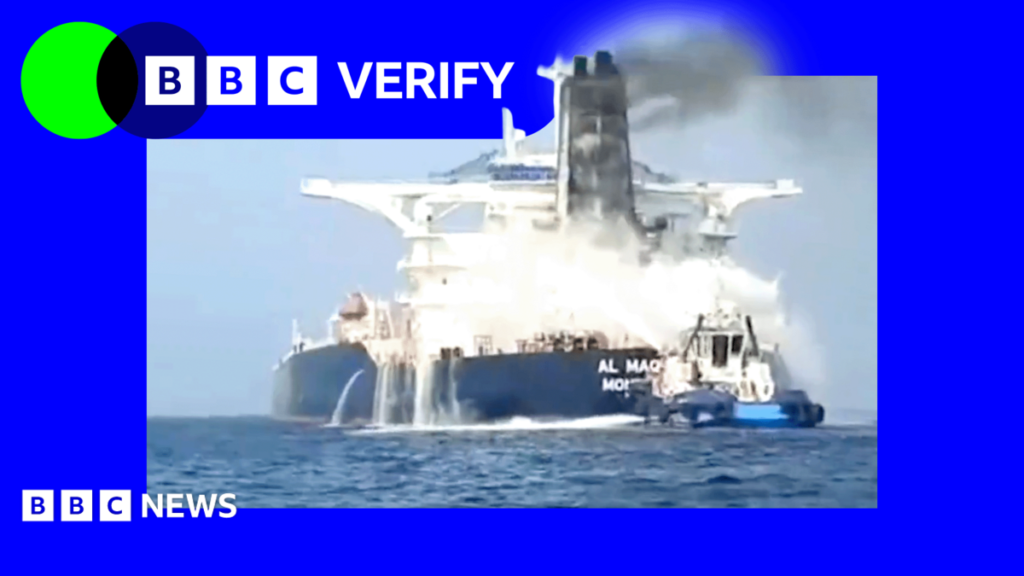
Background: The Strait of Hormuz as a global chokepoint
The 21‑mile-wide Strait of Hormuz, sandwiched between Iran and the United Arab Emirates, carries roughly a fifth of the world’s daily oil flow. Its strategic importance means any disruption reverberates far beyond the Persian Gulf, influencing freight rates, refinery margins and fuel prices on every continent. Over the past decade, the waterway has witnessed periodic flare‑ups, but the frequency of hostile incidents has risen sharply since early 2024, coinciding with heightened geopolitical friction between Tehran and Washington.
In the last quarter of 2026, the United Kingdom’s Maritime Trade Operations (MTO) logged an unprecedented twelve vessel strikes within a single seven‑day span. The attacks, confirmed through satellite imagery and AIS data, involved a mix of commercial tankers, bulk carriers and smaller support craft. While the exact perpetrators remain disputed, Iranian‑aligned militias have claimed responsibility for several incidents, prompting renewed calls for naval escorts from the United States and its allies.
What happened: A week of escalating aggression
According to the BBC Verify analysis, the twelve vessels struck between 8 October and 14 October suffered varying degrees of damage, from minor hull punctures to temporary engine shutdowns. In at least three cases, crews reported near‑miss missile fragments, forcing the ships to divert to safer ports for inspections. The rapid succession of attacks overwhelmed the existing convoy system, which typically rotates protection every 48 hours, exposing gaps that attackers exploited.
The immediate economic fallout was visible in the daily export figures released by the International Energy Agency (IEA). Global oil shipments through Hormuz fell by roughly five percent that week, the steepest decline since the 2020 pandemic slump. The dip translated into a modest but measurable rise in Brent crude futures, which edged up by $2.30 per barrel by week’s end, reflecting market nerves over supply security.
Why it matters for Africa: Energy imports and shipping costs
African economies that depend heavily on imported petroleum—especially South Africa, Kenya, and Nigeria’s own refining sector—are acutely sensitive to any volatility in the Gulf. A five‑percent reduction in Hormuz‑borne oil can add $0.10 to the price of a litre of gasoline in Johannesburg, according to a price‑impact model from the African Development Bank. For countries already grappling with fiscal deficits, higher fuel costs erode consumer purchasing power and strain public transport budgets.
Beyond crude, the attacks also jeopardise bulk cargoes of liquefied natural gas (LNG) and fertilizers that traverse the same lanes. Nations such as Egypt and Morocco, which import fertilizer via maritime routes to sustain their agricultural output, may see shipping premiums rise by up to 15 percent if insurers label the corridor a “high‑risk zone.” Such cost inflations could translate into higher food prices across the continent, amplifying inflationary pressures already felt after the 2023 global food price spike.
Broader pattern: Maritime insecurity as a geopolitical lever
The Hormuz flare‑up is part of a wider trend where state‑aligned non‑state actors weaponise commercial shipping to signal political intent. Since 2022, the Red Sea corridor has seen a comparable surge in drone‑borne attacks, prompting the European Union to launch a joint naval task force. Analysts at Bloomberg argue that Iran is using the Strait as a bargaining chip to extract concessions in ongoing nuclear talks, while also testing the resolve of U.S. naval deployments in the region.
This escalation mirrors a shift in the global security calculus: rather than confronting adversaries on land, powers are increasingly targeting the arteries of trade. For African governments, the lesson is twofold. First, diversification of energy sources—through renewable investments and regional oil‑field development—becomes a strategic imperative. Second, participation in multilateral maritime security initiatives, such as the Indian Ocean Naval Symposium, can help mitigate exposure to distant flashpoints.
What’s next: Scenarios for the coming months
If the current tempo of attacks persists, the International Maritime Organization may recommend a temporary “restricted navigation” status for the Strait, compelling all commercial vessels to travel under armed escort. Such a measure would likely double transit times, inflating shipping costs for African exporters of cocoa, coffee and minerals. Conversely, a diplomatic de‑escalation—perhaps triggered by a breakthrough in nuclear negotiations—could restore confidence and normalize freight rates within weeks.
In the short term, African oil importers are already adjusting inventories, with several refineries in Nigeria and Tanzania announcing strategic stockpiling to buffer against further supply hiccups. Meanwhile, private insurers are revising premiums for Hormuz‑bound voyages, a move that could push smaller African shipping firms out of the market unless they secure state‑backed guarantees. Stakeholders across the continent are watching the situation closely, aware that the ripple effects of a single maritime corridor can reshape trade balances for years to come.
Quick Answers
How many ships were attacked near the Strait of Hormuz in the latest week?
Twelve vessels were confirmed struck between 8 October and 14 October 2026, the highest weekly total on record.
What impact did the attacks have on global oil exports?
Oil shipments through Hormuz fell by about five percent that week, nudging Brent crude up by roughly $2.30 per barrel.
Why should African countries care about the Hormuz attacks?
Reduced Gulf oil flow raises fuel prices and shipping costs for African importers and exporters, potentially increasing gasoline and food prices across the continent.
Source: www.bbc.co.uk




💬 Comments 0