Reno Wildfire Update August 2026: Only 25% Contained, Winds Threaten Two More Days of Blaze
Background: A Fast‑Moving Fire in the High Desert
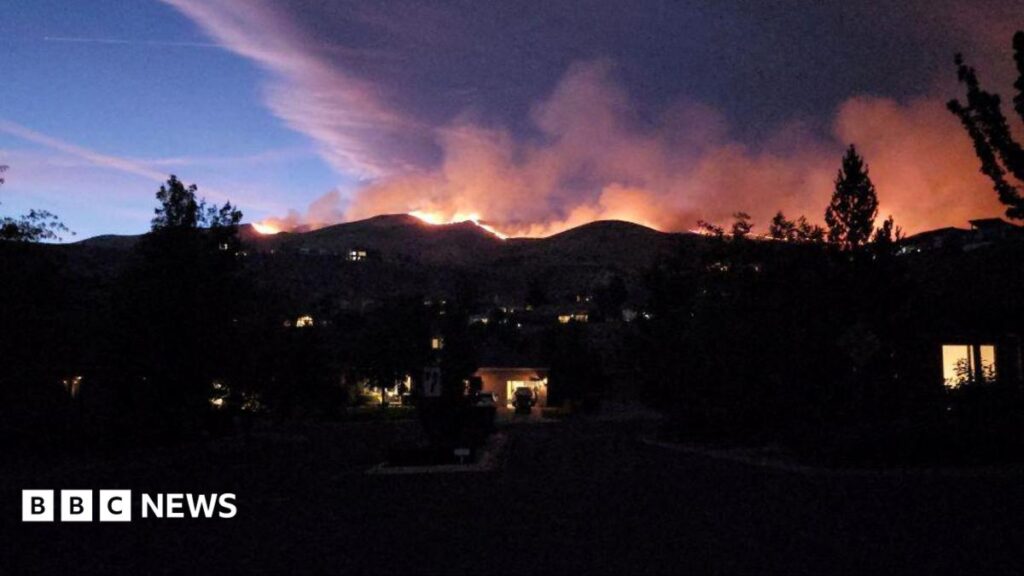
On August 24, 2026, a wildfire ignited in the foothills east of Reno, Nevada, near the historic town of Galena. The blaze, later named the Galena Ridge Fire, quickly spread across rugged terrain that is a mix of sagebrush, pine, and residential developments. Firefighters from the Nevada Division of Forestry, the U.S. Forest Service, and local volunteer units responded within minutes, but the combination of dry fuels and a sudden wind shift made containment difficult.
The region has seen a surge in fire activity over the past decade, with the number of large‑scale incidents doubling since 2015, according to data from the National Interagency Fire Center. Climate scientists link this rise to hotter, drier summers and earlier snowmelt, trends that are especially pronounced in the Great Basin. The Galena Ridge Fire, which has already scorched roughly 3,200 acres, is a textbook example of how these conditions can turn a small spark into a major emergency.
What’s Happening Now: Containment Stalls at One‑Quarter
As of the latest briefing on August 26, fire crews report that only about 25 percent of the perimeter is secured. The remaining three‑quarters of the fire line is exposed to strong gusts that have been clocked at 15 to 20 miles per hour, with forecasts predicting another two days of breezy conditions. These winds are capable of lofting embers over mile‑long distances, a phenomenon known as “spotting,” which can ignite new pockets of fire well beyond the original front.
Local authorities have kept evacuation orders in place for roughly 1,500 residents across three neighborhoods, citing the unpredictable nature of the wind‑driven fire spread. Power companies have pre‑emptively shut off electricity to several outlying subdivisions to reduce the risk of accidental ignitions. Meanwhile, air‑quality monitors in Reno are reporting an AQI of 165, a level categorized as “unhealthy” for sensitive groups, prompting health advisories for people with asthma, the elderly, and children.
Why It Matters Beyond Nevada: Economic and Environmental Ripple Effects
The Reno metropolitan area is a key hub for technology, gaming, and tourism, contributing roughly $12 billion to Nevada’s GDP each year. A prolonged fire threatens to disrupt the summer tourism season, especially as the city prepares for the annual Reno River Festival, scheduled for early September. Hotel occupancy rates have already dipped 8 percent compared to the same week last year, according to the Nevada Hotel & Lodging Association, and airline bookings to Reno International Airport have shown a similar decline.
From an environmental standpoint, the smoke plume from the Galena Ridge Fire is traveling eastward across the United States, adding to a season that has already seen record‑high carbon emissions from wildfires. Researchers at the University of California, Berkeley, warn that the cumulative effect of such fires can exacerbate climate stress in vulnerable regions, including sub‑Saharan Africa, where rising temperatures and erratic rainfall already jeopardize food security. The carbon released from a single 3,200‑acre blaze is comparable to the annual emissions of about 15,000 passenger vehicles, according to a study published in *Environmental Research Letters*.
Connections to the African Diaspora and Global Climate Justice
The African diaspora in the United States, particularly in Nevada’s growing Black and African immigrant communities, is directly feeling the impact of the fire. Many families own small businesses in the affected neighborhoods, and the evacuation has forced them to close shop for an uncertain period. Community leaders, such as Reno’s African American Chamber of Commerce president Malik Johnson, have called for additional emergency relief, noting that “our entrepreneurs can’t afford weeks of lost revenue.”
Beyond the immediate local fallout, the fire highlights a broader issue of climate justice. African nations contribute minimally to global greenhouse‑gas emissions yet bear the brunt of climate‑induced disasters, from desertification to flood‑prone coastlines. The United Nations Framework Convention on Climate Change (UNFCCC) has repeatedly urged wealthier nations to fund adaptation measures in the Global South. The smoke from Western U.S. wildfires adds to a trans‑continental haze that has, on occasion, reached parts of West Africa, affecting air quality and public health there. This interconnection underscores why African policymakers and diaspora activists are urging the U.S. to accelerate its commitment to net‑zero targets.
What Comes Next: Strategies, Funding, and Long‑Term Outlook
Fire officials are deploying additional resources, including two Type 1 incident management teams and a fleet of aerial retardant drops, to try to gain a foothold on the uncontained sections. The Federal Emergency Management Agency (FEMA) has pre‑approved a $2 million assistance package for displaced residents, but many community groups say the funds are insufficient for rebuilding homes that may have suffered structural damage.
In the longer term, Nevada’s state legislature is expected to debate a bill that would increase funding for vegetation management and expand the use of fire‑smart building codes in the high‑risk zones surrounding Reno. If passed, the legislation could allocate up to $45 million over the next five years for prescribed burns and community education programs. Such preventative measures are increasingly seen as essential, as climate models project that the frequency of “extreme fire weather” days in the Great Basin could rise by 30 percent by 2050.
Quick Answers
How many acres has the Reno wildfire burned as of August 26, 2026?
The Galena Ridge Fire has burned roughly 3,200 acres.
Why are evacuation orders still in place for Reno residents?
Strong winds are expected to continue for two more days, increasing the risk of fire spread and spot fires.
What impact could the fire have on African diaspora businesses in Reno?
Many small businesses owned by African‑American and African immigrant families are forced to close, risking lost revenue and potential long‑term financial strain.
Source: www.bbc.co.uk




💬 Comments 0