Russia blamed for Leipzig airport sabotage 2026 as Europe faces rising covert attacks
A wave of unexplained disruptions across Europe
In the past six months, a string of mysterious incidents has rattled transport hubs, power stations, and logistics centres from Spain to the Baltic states. The events range from unexplained power outages at a German rail depot to a series of minor explosions that damaged cargo handling equipment in a Dutch seaport. While most of the incidents left no casualties, the financial toll and the sense of vulnerability they generated have been significant, prompting national security agencies to treat them as a coordinated sabotage campaign rather than isolated accidents.
European intelligence services have been quick to point to a common thread: the tactics mirror those used by Russian special operations units in Ukraine, where sabotage of electricity grids and transport arteries has become a staple of hybrid warfare. The pattern—use of low‑tech explosives, timed devices, and the targeting of critical civilian infrastructure—has led several EU capitals to raise the alarm that a new front of covert aggression may be opening on European soil.
Leipzig airport attack: what happened and who is blamed
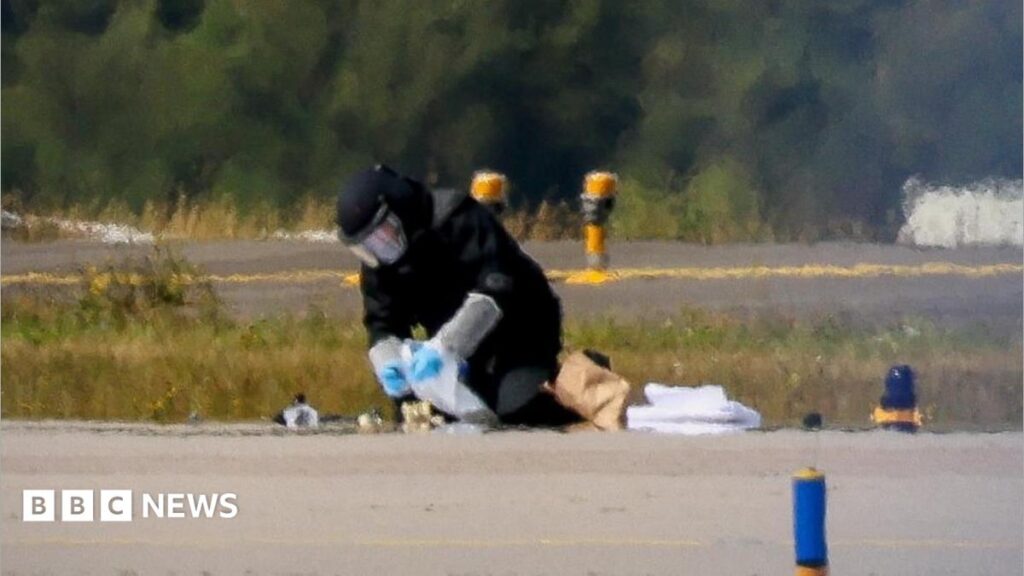
On 22 August 2026, a small explosive device detonated in a maintenance hangar at Leipzig/Halle Airport, damaging a fuel depot and forcing the temporary shutdown of the airport’s cargo terminal. No one was injured, but the blast caused an estimated €12 million in damages and delayed dozens of flights that connect central Europe with African and Middle‑East destinations. German investigators recovered fragments of a device that, according to the Federal Prosecutor’s Office, match the signature of Russian‑made improvised explosive kits used in previous sabotage operations.
Within 48 hours, the German interior ministry publicly accused the Russian Federation of orchestrating the attack, citing intercepted communications between a suspected Russian operative and local sympathisers. Moscow denied involvement, labeling the accusation as “politically motivated” and warning that such claims could further strain already tense diplomatic relations between the two sides.
Why the sabotage matters for Europe’s security and economy
Disrupting air cargo hubs like Leipzig has a ripple effect that goes far beyond the immediate repair costs. The airport handles a substantial share of Europe’s freight traffic to and from Africa, moving everything from perishable foodstuffs to high‑value electronics. A sudden halt forces airlines to reroute shipments, inflating fuel costs and creating bottlenecks that can push up prices for African imports across the continent.
Beyond the economic dimension, the attacks expose a strategic vulnerability in Europe’s civilian infrastructure. While NATO’s collective defence doctrine primarily addresses military threats, these covert actions blur the line between war and peace, forcing policymakers to reconsider how to protect critical nodes that are technically civilian but strategically indispensable.
The Russian sabotage playbook: a pattern of hybrid warfare
Since the escalation of the conflict in Ukraine, Moscow has refined a playbook that relies on low‑visibility operations to weaken opponents without crossing the threshold of open war. Sabotage of power grids, water treatment plants, and transport corridors has become a recurring theme, allowing Russia to impose costs while maintaining plausible deniability. Analysts at the European Council on Foreign Relations note that the Leipzig incident fits this template perfectly: a small, easily concealed device aimed at a high‑value logistics hub, timed to cause maximum disruption during a peak cargo window.
The strategy also serves a political purpose. By sowing uncertainty in the heart of the EU’s transport network, Russia hopes to erode confidence in the bloc’s ability to safeguard its own territory, thereby pressuring European leaders to soften sanctions or seek diplomatic concessions. The pattern suggests that future attacks could target other nodes that link Europe with its African trading partners, such as the ports of Rotterdam or the rail corridors that move goods into the interior.
Implications for African travelers, businesses and the diaspora
For the millions of Africans who rely on European airports for both passenger travel and cargo shipments, a destabilised logistics chain translates into higher ticket prices, longer wait times, and a greater risk of lost or delayed goods. Small‑scale exporters in Kenya, Nigeria, and Ghana, who already face tight margins, could see their products become less competitive if freight costs rise sharply because of rerouted flights or additional security checks.
The diaspora community in Germany, the Netherlands, and the United Kingdom also feels the impact. Many families depend on regular flights for reunions, funerals, and business trips. A pattern of sabotage that forces airlines to cut routes or impose surcharges can strain those personal and economic ties. Moreover, African airlines that have partnered with European carriers for code‑share agreements may see their growth plans stalled, limiting the continent’s ambition to build a more autonomous air transport network.
What’s next? EU response and the road ahead
In response to the Leipzig incident, the European Commission announced a €500 million emergency fund to bolster security at high‑risk transport facilities across the bloc. The fund will finance advanced surveillance systems, rapid‑response teams, and joint training exercises with NATO’s Counter‑Sabotage Centre. Simultaneously, the EU is drafting a new legal framework that would allow member states to designate sabotage of civilian infrastructure as an act of aggression, triggering collective defence mechanisms under Article 5 of the NATO treaty.
While the EU moves to harden its defenses, diplomatic channels remain active. German Foreign Minister Annalena Baerbock has called for a special session of the United Nations Security Council to discuss “state‑sponsored sabotage of civilian infrastructure.” Whether this will lead to concrete sanctions or a broader dialogue on hybrid threats remains uncertain, but the episode has already forced European leaders to acknowledge that the battlefield of the 2020s extends far beyond conventional military fronts.
Quick Answers
Who is accused of carrying out the Leipzig airport sabotage?
German authorities have publicly blamed the Russian Federation, citing evidence that matches known Russian sabotage methods.
How could sabotage attacks in Europe affect African travelers and businesses?
Disruptions at key European airports raise cargo costs and flight prices, making it more expensive and slower for African goods and passengers to move between continents.
What steps is the EU taking to prevent further sabotage?
The EU has allocated €500 million for security upgrades at vulnerable sites and is drafting legislation to treat civilian sabotage as an act of aggression, potentially invoking NATO’s collective defence.
Source: www.bbc.co.uk




💬 Comments 0