Russia blames Ukraine for oil refinery attack after Zelensky vows to resume energy strikes, 2026
Background: Energy sites as front‑line targets
Since Russia’s full‑scale invasion in 2022, both sides have repeatedly struck each other's energy infrastructure. Moscow argues that hitting Ukrainian power plants is a legitimate way to cripple the war effort, while Kyiv contends that its attacks on Russian oil and gas facilities are a defensive response to a blockade that has choked its own electricity supply.
The conflict has turned the energy sector into a high‑stakes battlefield, with each side accusing the other of violating international law. In the past year, a series of temporary cease‑fires on energy sites have been brokered by European mediators, only to collapse when either side claims the other has broken the pact.
The latest flare‑up: Zelensky’s statement and Moscow’s accusation
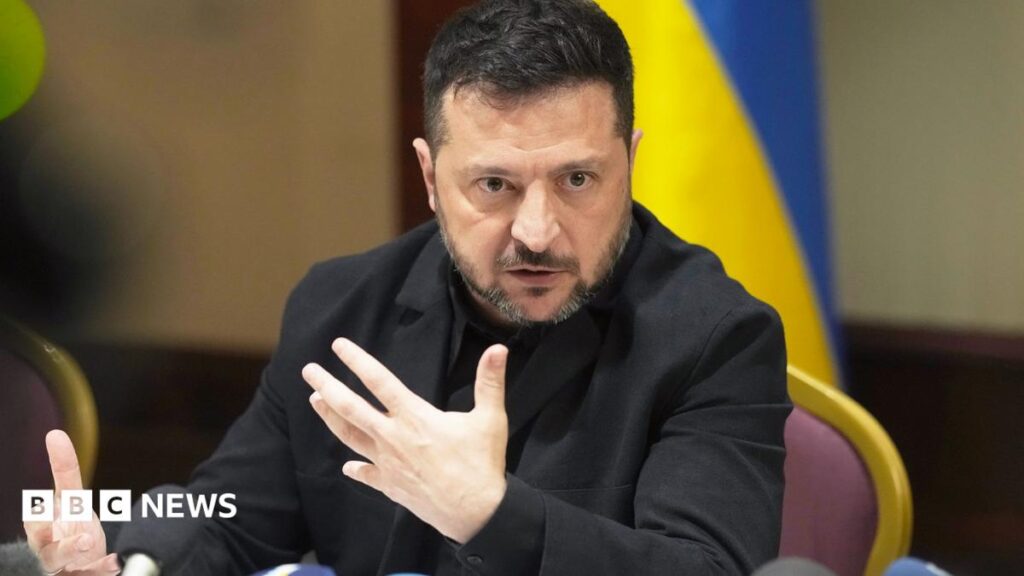
On October 15, Ukrainian President Volodymyr Zelensky announced on state television that the pause on striking Russian energy facilities was over, citing a new wave of Russian attacks on Ukrainian power grids. He warned that Kyiv would resume “targeted operations” against what he called “strategic Russian energy assets”.
A day later, the Russian Defence Ministry released a statement accusing Ukrainian forces of launching a missile strike on the Novoshakhtinsk oil refinery in the Rostov region. The ministry claimed the attack caused a fire, temporary shutdown, and threatened the supply of gasoline to southern Russia. Kyiv has not confirmed the strike, and Russian officials have not provided independent verification.
Why the refinery matters beyond the battlefield
The Novoshakhtinsk complex processes roughly 7 million tonnes of crude a year, feeding pipelines that deliver fuel to the Black Sea ports of Novorossiysk and Tuapse. A disruption, even brief, can ripple through global oil markets because Russia remains one of the world’s top exporters, especially to Europe and parts of Asia.
When the refinery was briefly offline in 2023 after a drone attack, Brent crude spiked by 2 percent in a single trading session. Analysts say any repeat of such an event can tighten supply, push up prices, and force countries that rely on Russian fuel to scramble for alternatives.
African stakes: fuel costs, imports and the diaspora
Many African nations import a significant share of their gasoline and diesel from Russia, either directly or through third‑party traders in the Mediterranean. A sudden dip in Russian export capacity can raise freight rates and push spot prices higher, hitting already fragile budgets in countries like Nigeria, Kenya and Ghana.
Higher fuel costs translate into more expensive transport, which in turn raises the price of food and consumer goods. For the African diaspora in Europe, rising living costs can reduce remittance flows—a vital source of income for millions of households back home. According to the World Bank, remittances to Sub‑Saharan Africa accounted for about $70 billion in 2023; any squeeze on disposable income in host countries can affect that stream.
International reactions and diplomatic stakes
The United Nations’ expert on weapons and the use of force called the mutual targeting of civilian‑linked energy sites a “dangerous escalation” that threatens global energy security. The European Union, which has tried to mediate a limited cease‑fire on energy installations, warned that renewed attacks could trigger “further market volatility and humanitarian fallout”.
The United States, while reiterating its support for Ukraine’s right to self‑defence, urged both parties to avoid actions that could jeopardise the global oil supply chain. In a press briefing, a State Department spokesperson said that any disruption to Russian refineries would have “knock‑on effects for energy‑importing economies worldwide, including many African states”.
What’s next: possible scenarios and African preparedness
If Kyiv follows through with renewed strikes, Moscow may respond with more aggressive counter‑attacks on Ukrainian power plants, potentially prompting a new wave of blackouts in the east. Such a spiral could force European nations to accelerate their diversification away from Russian fuel, opening market share for African oil producers like Nigeria and Angola, provided they can meet quality and logistical standards.
African governments are already monitoring the situation. The African Union’s Energy Department released a brief urging member states to secure alternative supply contracts and to consider strategic petroleum reserves as a buffer against price spikes. In Nigeria, the Ministry of Petroleum Resources announced a review of its import contracts to assess exposure to Russian crude, signalling a proactive stance that could mitigate the impact of any prolonged refinery outage.
Quick Answers
Did Ukraine actually strike the Novoshakhtinsk oil refinery?
Ukraine has not confirmed the attack; Russia’s claim remains unverified by independent sources.
How could the refinery attack affect fuel prices in Africa?
A disruption in Russian refining capacity can raise global oil prices, leading to higher import costs for African countries that rely on Russian fuel.
What is the likely next step in the energy‑site conflict?
Analysts expect a tit‑for‑tat escalation, with Ukraine resuming strikes on Russian energy assets and Russia intensifying attacks on Ukrainian power infrastructure.
Source: www.bbc.co.uk




💬 Comments 0