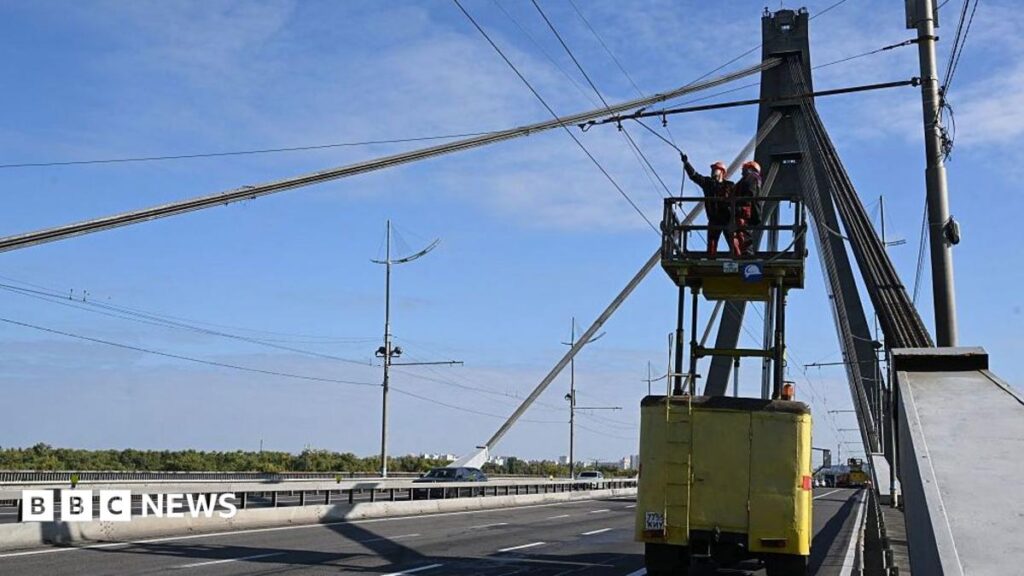
Russia hits second major bridge in Kyiv – Pivnichnyi Bridge struck on Oct 3 2026
Background: Russia’s bridge‑targeting campaign in Kyiv
Since the start of the invasion in February 2022, Moscow has repeatedly used precision strikes against Ukraine’s transport arteries to cripple logistics and sow civilian panic. Early in the war, the iconic Kyiv Bridge over the Dnipro River was hit, prompting a wave of repairs and international aid. The recent attack on the Pivnichnyi (Northern) Bridge marks the second major crossing in the capital to be damaged within a single year, signalling a renewed focus on disrupting the city’s north‑south flow.
The Pivnichnyi Bridge, opened in 2019, carries a vital mix of commuter traffic, freight trucks, and a key tram line that links Kyiv’s industrial districts to the city centre. Its loss forces drivers onto the older, already congested Paton and Metro bridges, stretching commute times and raising the risk of accidents. Analysts say the pattern of targeting bridges mirrors Moscow’s broader strategy of “infrastructure attrition” – a method designed to erode Ukraine’s economic resilience without necessarily capturing territory.
Why the strikes matter beyond Kyiv’s streets
Beyond the immediate traffic nightmare, the destruction of a major bridge has ripple effects on Ukraine’s export capacity. The country’s agricultural sector, which supplies roughly 10 % of the world’s wheat, relies on smooth road links to move grain from the fertile south to ports on the Black Sea. Any bottleneck in Kyiv adds delays to the supply chain, potentially inflating global grain prices at a time when many African nations are already grappling with food insecurity.
Energy markets are also vulnerable. Ukraine’s power grid is interwoven with its transport network; damage to key routes can hinder the delivery of fuel and equipment needed for rapid repairs. With Europe still dependent on Ukrainian transit routes for gas and electricity, each bridge loss nudges the continent toward higher energy costs – a trend that reverberates in African economies that import European‑refined fuels.
African diaspora and investor perspectives
The Ukrainian conflict has a surprisingly direct line to African investors. Several Nigerian agribusinesses, Kenyan grain traders, and South African logistics firms have stakes in Ukrainian wheat farms and processing plants. The bridge attacks raise the risk profile of these investments, prompting some firms to reconsider capital allocation and hedge against supply disruptions.
For the Ukrainian diaspora in Africa – particularly in Kenya, Ghana and South Africa – the news hits a personal nerve. Community groups have organised vigils and fundraising drives to support Kyiv’s reconstruction, while also lobbying their host governments to maintain sanctions that pressure Moscow. The diaspora’s response underscores how a distant war can mobilise transnational solidarity and shape public opinion on foreign policy in African capitals.
The broader pattern: infrastructure as a weapon in modern warfare
Russia’s focus on bridges aligns with a global shift toward targeting civilian infrastructure to achieve strategic aims. Similar tactics have been observed in the Middle East, where airstrikes on water treatment plants and power stations have been used to force political concessions. In Ukraine, the repeated hits on Kyiv’s bridges illustrate a calculated gamble: degrade morale and economic activity while staying below the threshold that would trigger a direct NATO response.
International law experts warn that systematic attacks on civilian transport routes may constitute war crimes under the Geneva Conventions. Human Rights Watch, in a recent briefing, called the bridge strikes “potentially unlawful” because they lack a clear military necessity and disproportionately affect civilians.
What comes next: reconstruction, resilience and diplomatic fallout
Ukraine’s government has already pledged to rebuild the Pivnichnyi Bridge within twelve months, tapping both domestic funds and a €500 million package from the European Investment Bank earmarked for critical infrastructure. However, reconstruction will be hampered by ongoing shelling, shortages of steel, and a global surge in construction material prices – a situation that also inflates costs for African contractors seeking to bid on Ukrainian projects.
On the diplomatic front, the bridge attacks could sharpen the divide between Moscow and Western allies. NATO’s recent statement warned that repeated infrastructure strikes risk “escalating the conflict into a broader regional crisis.” African nations watching the development are weighing their own security ties with Russia against the economic fallout of a prolonged war, a calculus that may influence future voting patterns at the United Nations and the African Union.
Quick Answers
When was the Pivnichnyi Bridge in Kyiv hit by a Russian strike?
The bridge was struck on October 3 2026, marking the second major bridge attack in Kyiv this year.
How do bridge attacks in Ukraine affect African food markets?
Disruptions to Ukraine’s transport network can delay grain exports, pushing up global wheat prices and tightening supplies for African countries that rely on Ukrainian grain.
What is the estimated timeline for rebuilding the Pivnichnyi Bridge?
Ukrainian officials aim to complete reconstruction within twelve months, supported by a €500 million European Investment Bank fund.
Source: www.bbc.co.uk




💬 Comments 0