Russian missile strike kills child among three near Kyiv, Ukraine, Aug 8 2026
Background: Ukraine’s interceptor crunch and Russia’s intensified campaign
Since the start of the war, Kyiv has relied on a network of air‑defence systems supplied by the United States, the United Kingdom and other NATO partners. By mid‑2026, however, the flow of modern Patriot and NASAMS interceptors had slowed, and the Ukrainian military warned that its stockpiles were dangerously low. President Volodymyr Zelensky’s recent address underscored the urgency, noting that each day without fresh deliveries increased the risk of civilian casualties.
Russia, aware of the interceptor gap, has adjusted its tactics. Instead of large‑scale barrage attacks that are easier to track, Moscow has shifted to smaller, low‑altitude missile salvos that strain the remaining Ukrainian air‑defence assets. Analysts at the International Institute for Strategic Studies say this change is designed to exploit the dwindling Ukrainian missile‑interceptor inventory and to pressure the West into accelerating aid.
The latest strike: what happened on the outskirts of Kyiv
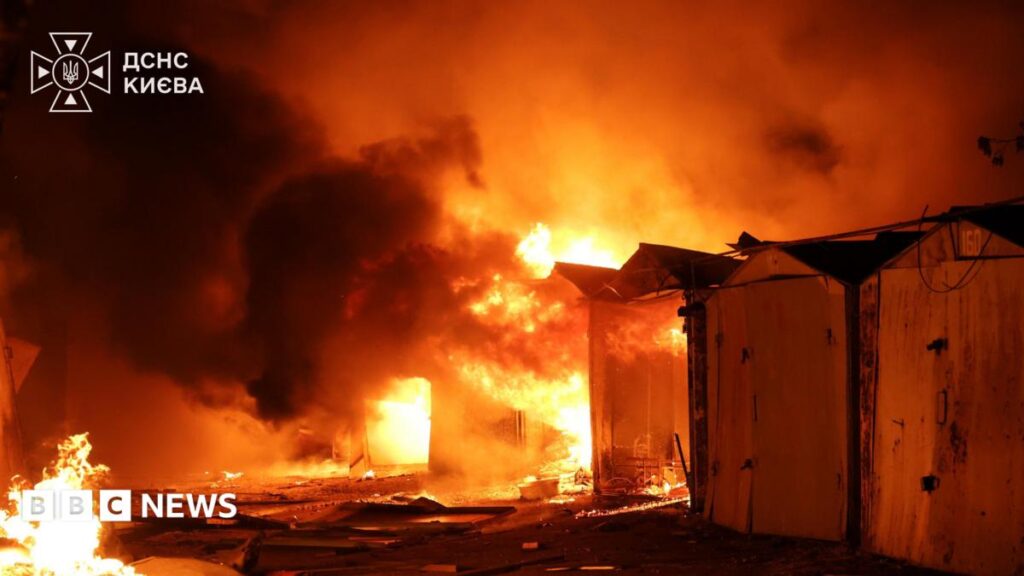
In the early hours of August 8, 2026, a Russian Iskander missile landed in a residential suburb roughly 15 kilometres north‑west of Kyiv’s city centre. Local emergency services reported three fatalities – a mother, her teenage son and a six‑year‑old child who was playing in a nearby garden. Several other homes suffered severe structural damage, and the blast triggered a secondary fire that burned for hours.
Witnesses described a blinding flash followed by a deafening roar. “It felt like the sky fell on us,” one resident recounted to the Kyiv Independent. Rescue teams struggled to reach the site because the area’s limited air‑defence coverage left it exposed to further strikes, a situation that officials say could have been avoided with more interceptors on standby.
Why the interceptor shortage matters for civilians and the war effort
When a missile penetrates a city’s protective shield, the immediate consequence is loss of life, but the longer‑term impact spreads to health services, displacement and economic activity. The Ukrainian health ministry estimates that each civilian death adds roughly $150,000 in direct and indirect costs, from emergency response to lost productivity. A child casualty, in particular, deepens the psychological trauma for the community and fuels public anger over the perceived inadequacy of protection.
Strategically, the shortage undermines Ukraine’s ability to protect critical infrastructure such as power plants and logistics hubs. According to a report by the Atlantic Council, each day without new interceptors raises the probability of a successful Russian attack on a major grid node by 3‑4 %. The cumulative effect could force Ukraine to divert troops from the front lines to guard civilian areas, weakening its offensive capacity.
African diaspora, students and aid networks feel the ripple
Ukraine hosts an estimated 30,000 African students, many of whom arrived on scholarships from governments in Nigeria, Kenya and Ghana. While most are concentrated in Kyiv’s university districts, the city’s expanding conflict zone has forced several campuses to suspend classes and relocate to safer towns. The latest strike reignited fears among the diaspora community, prompting the African Union’s diplomatic mission in Kyiv to issue an emergency advisory on August 9.
Humanitarian NGOs with strong African ties, such as the Nigerian Red Cross and Kenya’s Oxfam branch, have begun coordinating with local Ukrainian partners to provide trauma counselling for affected families, including those of African origin. Sources say the recent tragedy may also influence future scholarship decisions, as African ministries reassess the safety of sending students to conflict zones.
International response and what may come next
Western capitals responded quickly. The United States announced an additional batch of 12 Patriot missiles slated for delivery by the end of September, while the United Kingdom pledged a fast‑track shipment of 8 NASAMS launchers. European Union foreign ministers, meeting in Brussels on August 10, called the attack “a stark reminder of the human cost of the war” and urged the European Defence Fund to accelerate procurement for Ukraine.
Looking ahead, analysts warn that a single successful strike on a civilian target could prompt Kyiv to request more defensive assets, but also risk escalating Russian retaliation. If interceptor supplies remain insufficient, Ukraine may be forced to adopt a “low‑tech” defence approach, relying on mobile anti‑missile teams and civilian alert networks. The effectiveness of such measures will depend on training, logistics and the willingness of international partners to sustain a long‑term flow of equipment.
Quick Answers
How many people were killed in the Russian missile strike near Kyiv on August 8, 2026?
Three civilians – a mother, her teenage son and a six‑year‑old child – were killed in the attack.
Why is Ukraine facing a shortage of missile interceptors?
Supply lines from NATO allies have slowed, and the high tempo of Russian missile launches has depleted Ukraine’s existing stockpiles faster than they can be replenished.
Are African students in Ukraine affected by the recent attacks?
Yes, the attacks have heightened safety concerns for the roughly 30,000 African students in Kyiv, prompting diplomatic advisories and increased humanitarian support from African NGOs.
Source: www.bbc.co.uk




💬 Comments 0