Russia’s Grain Terminals Hit in Ukraine Attack: How the Clash Could Spike African Food Prices in 2026
Background: The Ukraine Conflict and Global Grain Supply
The war that erupted in February 2022 between Russia and Ukraine has evolved into a broader crisis affecting the world's food system. Ukraine, often dubbed the "breadbasket of Europe," is a leading exporter of wheat and corn, while Russia supplies significant quantities of sunflower oil and grain as well. The conflict has disrupted production, storage, and transportation, forcing both sides to target each other’s shipping hubs to cripple the opponent’s logistics. The result is a sharp decline in grain exports from both nations, with the United Nations Food and Agriculture Organization reporting a 25‑30 % drop in Ukrainian grain shipments in the first half of 2026.
The Attack: Russian Grain Terminals Suffer Heavy Damage
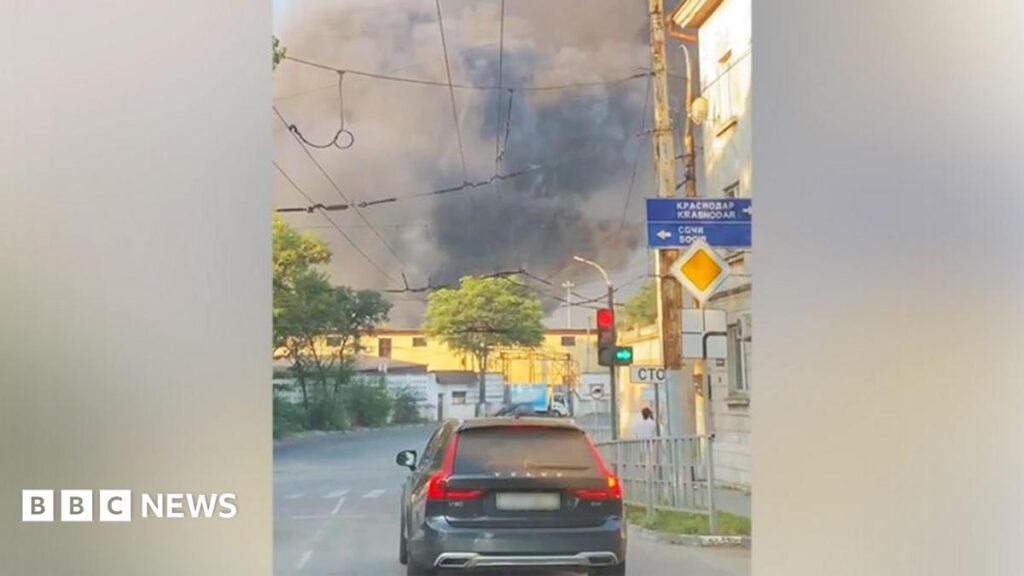
On 12 August 2026, a coordinated drone and missile assault struck the port of Novorossiysk, Russia’s largest grain export hub on the Black Sea. The strike damaged the terminal’s storage silos, loading cranes, and a key rail link to the interior, rendering the facility inoperable for weeks. Casualties were reported, with six port workers injured and the terminal’s chief engineer sustaining a severe limb injury. The Russian Ministry of Transport confirmed that the terminal’s operational capacity was reduced by 40 % following the attack, a figure corroborated by satellite imagery released by the European Space Agency.
Why It Matters: Global Food Security on a Knife‑Edge
The loss of a major Russian terminal magnifies the already fragile supply chain. Grain exports from the Black Sea region account for roughly 15 % of global wheat trade, and disruptions ripple through storage, processing, and distribution networks worldwide. The International Monetary Fund warns that continued attacks could push world wheat prices above $800 per metric ton, triggering inflationary pressures in both developed and developing economies. Moreover, humanitarian agencies that rely on Ukrainian grain for famine relief in the Sahel and Horn of Africa face delays, as shipments that would have arrived by October are now uncertain.
African Market Impacts: Prices, Inflation, and Food Insecurity
African nations import about 30 % of their wheat from Russia and Ukraine combined. A 20 % shortfall in exports could translate into a 5–7 % rise in domestic wheat prices across the continent. In Nigeria, for example, the price of white flour could climb from ₦1,500 to ₦1,800 per kilogram, according to the National Bureau of Statistics. This price hike threatens to push staple food costs beyond the reach of low‑income households, potentially sparking urban food riots. Smallholder farmers, who depend on affordable grain inputs, may also see a squeeze on their profit margins, undermining rural livelihoods.
What’s Next: Diplomatic Efforts and Alternative Supply Routes
The United Nations has called for a ceasefire at the grain shipping hubs, proposing a neutral oversight mechanism to safeguard maritime routes. Russia has signaled openness to talks, citing the need for stability to resume exports. Meanwhile, African importers are exploring alternative sources, such as Brazil’s soybean‑based feedstock, and the EU is accelerating its own grain procurement to offset losses. In the medium term, the African Union is drafting a contingency plan to diversify grain suppliers and invest in regional storage facilities to buffer against future shocks.
Quick Answers
How will attacks on grain terminals affect African food prices?
Damaged export facilities can reduce global supply, driving up prices. African countries that import a significant share of grain from Russia and Ukraine may see wheat prices rise by 5–7 %, increasing food inflation and impacting low‑income households.
What measures are being taken to protect grain shipping during the war?
The UN has proposed a neutral oversight system for grain ports, while Russia and Ukraine have both expressed willingness to negotiate ceasefire protocols for shipping lanes. African importers are diversifying suppliers and strengthening storage infrastructure.
Source: www.bbc.co.uk




💬 Comments 0