Saudi Arabia issues first Riyadh air‑raid alert after Houthi surge, 2026 – oil & Red Sea impact
Background: Houthi escalation and Saudi alert history
Since the war in Yemen erupted in 2015, the Houthi movement has largely focused on southern Saudi Arabia, using missiles and drones to strike oil facilities and airports. A series of cease‑fire talks and Saudi‑UAE‑U.S. coalition offensives kept the conflict at a low‑intensity level for years, but the group’s capabilities have grown dramatically after receiving more advanced weaponry, reportedly from Iran.
In early 2026 the Houthis stepped up attacks on Saudi oil infrastructure in the Eastern Province, prompting Riyadh to tighten its air‑defence posture. Until now, the capital Riyadh had never been placed under a formal air‑raid warning, even during the most intense missile barrages of 2019 and 2022.
The alert: what happened in Riyadh
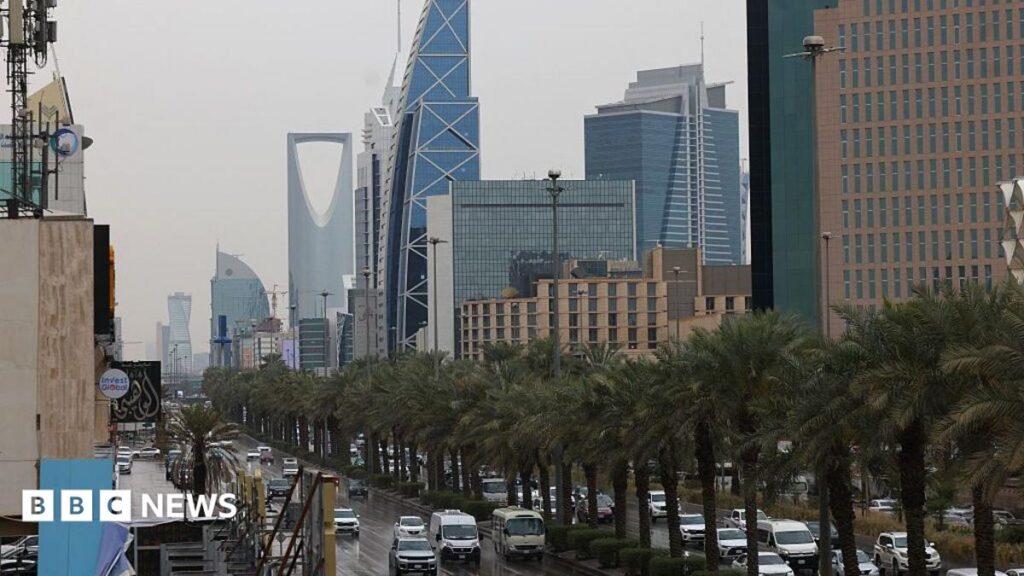
On September 18, 2026, the Saudi civil defence agency activated its first‑ever air‑raid alert for the capital after radar picked up multiple inbound projectiles. Sirens wailed across the city for about ten minutes before the all‑clear was sounded, and authorities later confirmed that at least two explosions were reported in peripheral districts.
The Saudi Ministry of Interior said the projectiles were likely Houthi‑launched drones, although no group claimed responsibility immediately. Residents were urged to stay indoors, and some commercial flights were briefly delayed as the airport’s emergency protocols kicked in.
Why it matters for the region and beyond
The alert marks a symbolic shift: Riyadh’s core is now perceived as a viable target, which could force the kingdom to divert more resources to homeland defence rather than its external campaigns in Yemen and the Red Sea. Analysts say this may embolden other regional actors who view Saudi vulnerability as a bargaining chip.
International investors are also watching closely. Saudi Arabia’s sovereign wealth fund, the Public Investment Fund, underpins a large share of global energy markets. Any perception of instability in the kingdom can ripple through oil prices, especially as the world continues to balance the transition to renewables with reliance on Middle‑East crude.
African stakes: oil, trade routes and diaspora concerns
Many African economies – from Nigeria to Angola – depend on Saudi oil imports to stabilise their own fuel markets. A sudden spike in Brent or WTI prices triggered by heightened Saudi security concerns would raise transport costs across the continent, hitting already strained public budgets.
The Red Sea, a crucial artery for East African exporters of coffee, tea, and minerals, has seen a surge in Houthi attacks on commercial vessels. If Riyadh escalates its naval response, shipping insurers could hike premiums, making African export routes more expensive. Moreover, the sizable African diaspora in Saudi Arabia, especially workers from Sudan, Ethiopia and Nigeria, may face tighter curfews or increased scrutiny as security measures tighten.
What could come next: scenarios and policy options
Short‑term, Saudi officials are likely to bolster radar coverage around Riyadh and conduct joint drills with U.S. and UAE forces. A public‑relations push to reassure investors may accompany a temporary clamp‑down on media coverage of the attacks.
Longer‑term, the kingdom could seek a diplomatic de‑escalation with the Houthis, possibly through a UN‑mediated cease‑fire that also addresses Iranian involvement. For African policymakers, the priority will be to diversify energy sources and negotiate lower freight rates for Red Sea shipping, mitigating the knock‑on effects of any Saudi‑Houthi flare‑up.
Quick Answers
Why did Saudi Arabia issue an air‑raid alert for Riyadh in 2026?
Radar detected inbound projectiles, likely Houthi‑launched drones, prompting the first ever capital‑wide warning.
How could the Riyadh alert affect African oil‑importing countries?
Any perceived Saudi instability can lift global oil prices, raising fuel costs for African nations that rely on Saudi crude.
What impact might the alert have on African exporters using the Red Sea?
Increased security tensions could raise shipping insurance premiums and freight rates, making exports from East Africa more expensive.
Source: www.bbc.co.uk




💬 Comments 0