Serbia 2026 Election Shock: Vučić Defeated by Student-Led Protest Movement, What It Means for Europe and Africa
Background: Vučić’s Twelve‑Year Grip on Serbian Politics
Since first becoming prime minister in 2014 and later president, Aleksandar Vučić built a populist, right‑wing platform that combined nationalist rhetoric with a promise of EU integration. Over twelve years he consolidated power through media control, electoral law changes and patronage networks, turning his Serbian Progressive Party (SNS) into the dominant force in Belgrade and the provinces.
While Serbia formally pursued EU accession, Vučić kept a delicate balance with Moscow, allowing Russian military equipment and energy deals to continue. This dual alignment made Belgrade a geopolitical hinge between the West and Russia, a fact that attracted both Western investment and criticism from human‑rights groups.
The Election Upset: A Student‑Led Protest Movement Wins
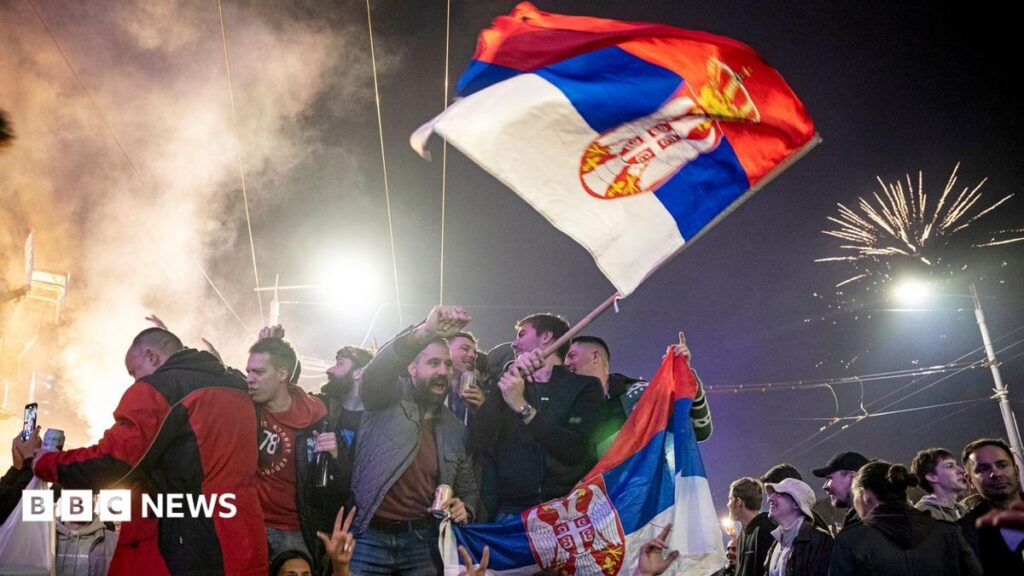
On 22 October 2026, Serbia held a snap parliamentary election that was billed as a referendum on its future direction. The ballot was dominated not by the usual party list but by a coalition of university students, civil‑society activists and independent candidates calling themselves “Future Now.” Their platform centered on anti‑corruption, media freedom and a clear path toward EU membership.
Pre‑election polls had the SNS at a comfortable 45 % of the vote, but on election night the results showed the party falling to 28 %, while “Future Now” secured 31 % and captured 70 seats, enough to form a governing coalition with two smaller liberal parties. Vučić, conceding on live television, said it was “clear the electorate wanted a different future.”
Why It Matters for Europe: Shifting the Balkan Power Balance
The Balkans have long been a frontier of competing influences. Vučić’s defeat removes a leader who was comfortable navigating between EU expectations and Russian patronage. Analysts at the European Council on Foreign Relations argue that a pro‑EU, youth‑driven government could accelerate Serbia’s accession talks, which have stalled since 2020 over rule‑of‑law concerns.
A faster EU trajectory would likely mean tighter alignment on sanctions against Russia, a deeper integration of Serbian infrastructure into EU transport corridors, and a boost to EU funding for digital and renewable projects. For European capitals, the change reduces the risk of a Russian‑friendly outpost on the continent’s southeastern edge.
African Implications: Trade, Migration and Diplomatic Ties
Serbia’s strategic location makes it a gateway for African goods heading to Central and Eastern Europe. The country’s new government has pledged to simplify customs procedures and expand the “Serbia‑Africa Business Forum,” a platform launched in 2022 that already facilitated €150 million in trade, mainly in agricultural equipment and textiles.
On migration, Serbia sits on a key Balkan route used by African migrants seeking entry into the EU. A government that prioritises rule of law and cooperation with EU border agencies could tighten controls, potentially lowering the number of irregular crossings but also prompting calls for safer legal pathways. NGOs in Lagos and Nairobi have already begun dialogues with Belgrade officials about joint migration‑management pilots.
Youth‑Led Movements: A Global Wave from Tunisia to Nairobi
The Serbian student victory mirrors a wave of youth‑driven political change seen across continents. In 2023, Tunisia’s university protests reshaped its parliamentary composition; in 2024, Kenya’s “Mzalendo Youth” coalition won several key seats; and in 2025, South Africa’s #FeesMustFall II protests forced a cabinet reshuffle. Scholars at the University of Pretoria note that digital mobilisation, cross‑border solidarity and climate‑justice narratives are common threads.
Serbia’s “Future Now” coalition used a similar playbook: encrypted messaging apps for coordination, crowdsourced policy drafts, and a strong visual brand that resonated on TikTok. The success shows how African and European youth movements can learn from each other’s tactics, especially in environments where traditional parties dominate.
What’s Next: Coalition Building, Policy Priorities and Regional Ripples
Forming a stable government will be the immediate challenge. “Future Now” needs the backing of the Liberal Democratic Party and the Green Alliance to reach a parliamentary majority. Early statements from coalition talks stress a commitment to anti‑corruption courts, free media legislation and a fast‑track EU accession file.
Regionally, neighbouring Bosnia‑Herzegovina and Montenegro are watching closely. A pro‑EU Serbia could act as a catalyst for reforms in those states, many of which still wrestle with nationalist parties. Conversely, Russia’s foreign ministry warned that “Western‑aligned regimes in the Balkans will face new pressures,” hinting at possible diplomatic counter‑measures that could affect African countries that maintain close ties with Moscow.
Quick Answers
Who won the 2026 Serbian parliamentary election?
A student‑led coalition called “Future Now” won 31 % of the vote, surpassing Aleksandar Vučić’s Serbian Progressive Party.
How could the new Serbian government affect African trade?
The incoming administration pledged to streamline customs and expand the Serbia‑Africa Business Forum, potentially increasing African exports to Europe via Serbian corridors.
What does Vučić’s loss mean for Serbia’s EU aspirations?
With a pro‑EU, youth‑driven coalition, Serbia is likely to accelerate accession talks and align more closely with EU sanctions and standards.
Source: www.bbc.co.uk


💬 Comments 0