Shadrack Sibiya charged with grooming a 16‑year‑old and raping an 18‑year‑old in South Africa, 2026
Background: Police misconduct and sexual abuse in South Africa
South Africa’s law‑enforcement agencies have long grappled with accusations of sexual misconduct, ranging from abuse of authority to outright assault. A 2022 audit by the Independent Police Investigative Directorate (IPID) recorded over 1,200 complaints of sexual offences involving police officers, a figure that human‑rights NGOs argue is only the tip of the iceberg because many victims fear retaliation.
The problem is not isolated to low‑rank officers; senior officials have also been implicated, eroding public confidence in a system already under strain from high crime rates. The police’s own internal disciplinary mechanisms have been criticised for being slow, opaque, and often perceived as protecting their own, prompting calls for an independent oversight body with prosecutorial powers.
The case of Officer Shadrack Sibiya
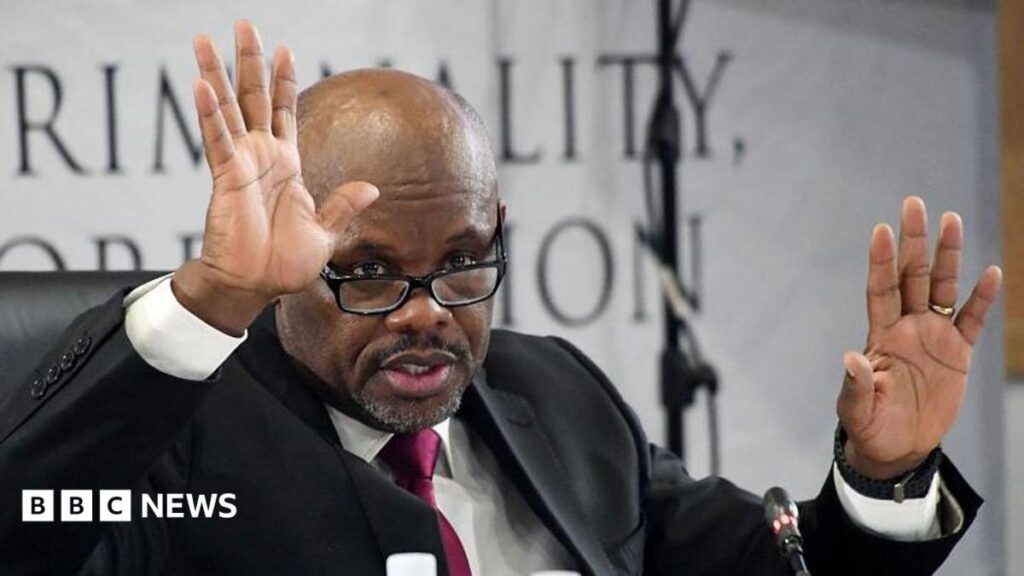
Shadrack Sibiya, a 34‑year‑old constable serving in the KwaZulu‑Natal provincial police, was arrested on 15 September 2026 after two teenage girls reported that he had groomed one of them when she was 16 and later raped an 18‑year‑old. The victims, who asked to remain anonymous, said Sibiya used his badge and uniform to gain their trust before committing the assaults.
According to the South African Police Service (SAPS), Sibiya was detained at the Pietermaritzburg police station and charged with two counts of sexual assault under the Criminal Law (Sexual Offences and Related Matters) Amendment Act. He has not made a public comment, and his legal team has requested a bail hearing for next week.
The case quickly moved beyond the local precinct because the victims’ families approached the media, and civil‑society groups such as the Women’s Legal Centre (WLC) and the South African Human Rights Commission (SAHRC) issued statements demanding a transparent investigation. The SAHRC warned that the incident could be symptomatic of a broader culture of impunity within the force.
Why the charges matter for public trust and policing
Public confidence in the police is a fragile commodity in South Africa, where a 2024 Afrobarometer survey showed that only 28 % of respondents trusted the police to act fairly. When a uniformed officer is accused of sexual violence, the breach of trust deepens, especially among women and youth who already feel vulnerable to both crime and police abuse.
The Sibiya case also highlights a structural gap: the current vetting process for recruits does not adequately screen for prior misconduct or patterns of predatory behaviour. Analysts at the Institute for Security Studies (ISS) argue that without systematic background checks and psychological assessments, officers with hidden proclivities can slip through the cracks.
Moreover, the charges have reignited debate over the adequacy of the internal affairs unit, which many observers say is understaffed and lacks independence. If the magistrate’s court proceeds with a swift trial, it could set a precedent that the justice system can hold police officers accountable, thereby restoring some measure of public faith.
Wider implications for gender‑based violence policy
South Africa records one of the highest rates of gender‑based violence (GBV) globally, with an estimated 1,100 women murdered each year. The government’s 2025 National Strategic Plan on GBV earmarked R1.2 billion for prevention and survivor support, but critics say implementation has lagged, especially within law‑enforcement structures.
If Sibiya is convicted, it could accelerate legislative reforms that aim to place police officers under stricter scrutiny when handling GBV cases. The Department of Police has already signalled interest in expanding the ‘Sexual Offences and Related Matters’ training module, making it mandatory for all officers before they are deployed to patrol units.
What comes next: Legal process and reforms
The next procedural step is a bail hearing, after which the case will be transferred to the Durban Regional Court for a preliminary inquiry. South African law allows for a maximum sentence of 20 years for rape, with additional penalties for grooming a minor. Legal scholars note that the outcome will likely influence how future complaints against police are processed.
In parallel, civil‑society coalitions are preparing a petition demanding the establishment of an independent police‑oversight tribunal, a proposal that has been floated in Parliament but never passed. The petition aims to gather at least 100,000 signatures before the next parliamentary session in early 2027.
Regardless of the court’s verdict, the Sibiya case underscores the urgency of overhauling the police culture that tolerates silence around sexual offences. Stakeholders—including the SAPS, the Ministry of Justice, and NGOs—are being pressed to deliver concrete policy changes before the next wave of GBV statistics makes the headlines again.
Quick Answers
What charges does Shadrack Sibiya face?
He is charged with grooming a 16‑year‑old and raping an 18‑year‑old under South Africa’s Criminal Law (Sexual Offences and Related Matters) Amendment Act.
How could this case affect policing reforms in South Africa?
A conviction could accelerate calls for independent oversight, stricter vetting of recruits, and mandatory gender‑sensitivity training for all officers.
What is the legal process for sexual‑offence charges against a police officer in South Africa?
The case first appears in a magistrate’s court for bail, then moves to a regional court for a preliminary inquiry; if found guilty, sentencing follows the standard penalties for rape and related crimes.
Source: www.bbc.co.uk




💬 Comments 0